Stress Busters: Four Ways to Build a Healthier Immune System

CT Thermography • March 17, 2021

Share this article

Stress Busters: Four Ways to Build a Healthier Immune System

It's no secret that long-term stress has severe consequences for our  immune systems.  This is something that researchers have known since the early 1980's, when it was first noted that college students had fewer natural killer cells, which fight tumors and viral infections, during exam periods. According to Janice Kiecolt-Glaser and Ronald Glaser, of the Ohio State University College of Medicine, these same stressed-out students also nearly stopped producing immunity-boosting gamma interferon and infection-fighting T-cells until after their exams were over and their stress had dissipated. 
Since this groundbreaking study, many similar studies have been conducted, and they have all shown similar results: Long-term stress slowly weakens the immune system until the body's ability to fight off infection is significantly compromised.
As if the immune impacts aren't bad enough, stress can also negatively  impact digestion,  cause hypertension (high blood pressure), heighten cholesterol levels, and lead to increased susceptibility to  some types of cancer . Stress can also lead to a higher likelihood of developing  depression and anxiety
Given the changes to our lives that COVID-19 has brought on, many people who have never experienced anxiety and depression are experiencing them now. With job loss and ensuing financial concerns and separation from friends and family, it's no surprise that studies throughout the world have consistently reported that anxiety, depression, and general stress have  significantly increased  over the past year. 
While stress is a part of life, there are healthy ways we can manage, and maybe even alleviate, some of the stress that is slowly ravaging our immune systems. 

Sleep Matters! 

If you aren't getting a solid  7-8 hours of sleep , change this right away. Sleep deprivation can cause a  spike in cortisol , a stress-producing hormone. Figure out what time you have to wake up each morning, and make yourself go to bed in time to get your required amount of sleep. It doesn't matter if there are dishes in the sink, laundry in the washer, or an unfinished work report. All those things can wait until tomorrow. Plus, if you're well-rested, you'll be better able to tackle your to-do list in a focused and productive way, and that will likely help you further manage your stress. Create a screen-free bedtime ritual. It will not only signal to your body that it is time to rest, but it will give you some much-needed time to focus on your self-care. 

Move, Move, Move! 

Get some exercise . It doesn't matter if it's taking the dog for a walk, chasing your kids around the house, biking to work, or doing yoga. What's important is that you get moving. There are a million  free exercise classes  online, and many of them are between 15-30 minutes long. While sustained exercise is important for fighting stress, also work short bursts of movement into your day. If you work from home, take the last five minutes of each hour to get up and walk around. If your house or office building has stairs, run up them to get a quick cardio boost. Daily exercise gets your endorphins pumping, regulates blood sugar, alleviates stress, and puts you in a good mood! 

Practice Saying "No!"

While it's good to stay busy and have goals, learn to prioritize what's important, and let less important things fall by the wayside. While it seems like common sense, having fewer obligations will make your life less stressful. Women in particular often  have a hard time saying no,  but learning how to do so has immeasurable benefits.
Ask yourself if a task is truly essential. Do you really need to sew that Halloween costume by hand or can you pick up something just as good at the store? Do you have to make birthday cupcakes from scratch, or will a boxed mix do? Is it necessary that you take on that extra project your boss has been talking about, or can you politely pass without huge career repercussions? Learning how to say no take practice, but doing so will reduce your stress levels and also give you more time for what's truly important. 

Consider Getting a Thermography Scan

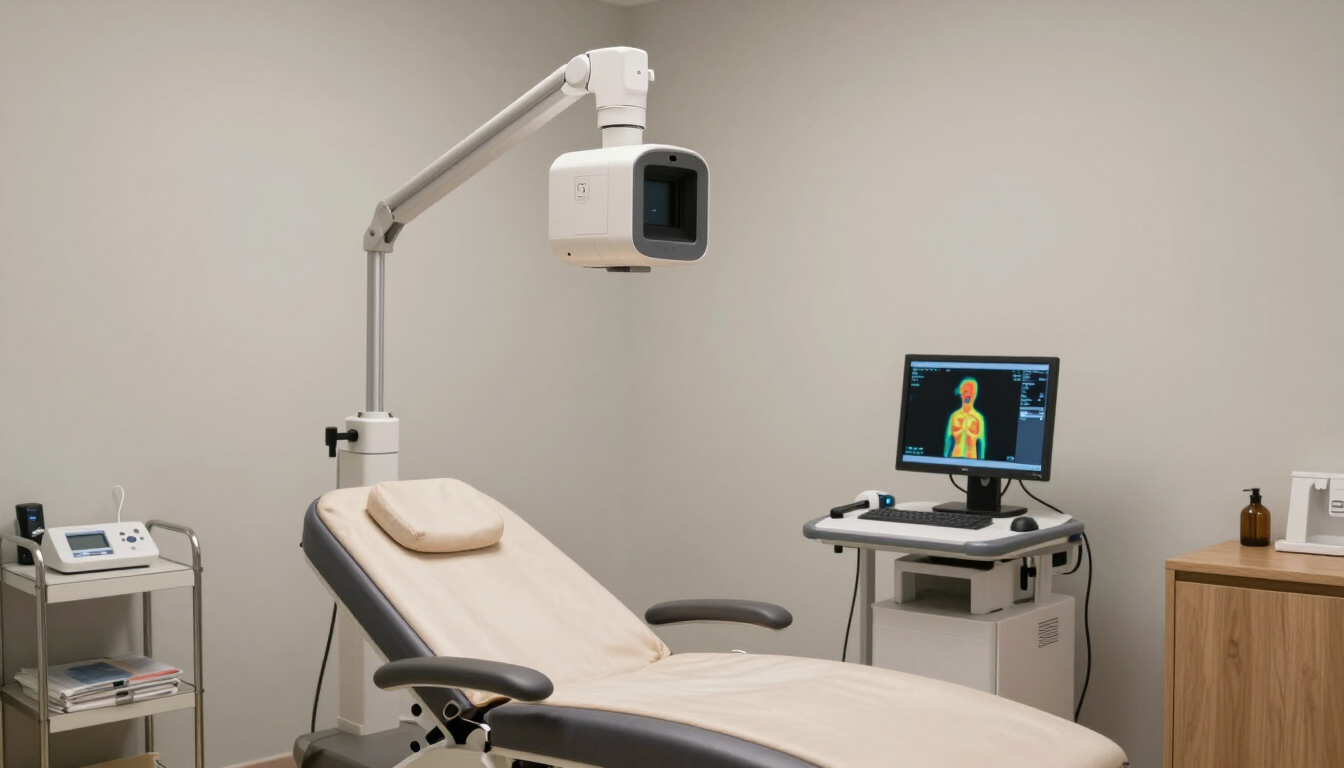
Thermography measures the infrared radiation (heat) that emits from the surface of your body. Areas of abnormality, pathology, or disease can be observed as either hot or cold depending on the metabolic activity. Thermography can detect early signs of inflammation, dysfunction, even cancer.  A thermography screening can assess the health of the thyroid, (which regulates the immune system), breasts, abdomen/lower body, and any other areas that may be of concern. Thermography focuses on locating problem areas before they turn into disease, giving you time to implement preventive lifestyle changes with diet, exercise, and stress management.  Contact us  to learn if you might be a good candidate for a thermography scan. 
Here's to a happy, healthy, less stressed-out you! 

Recent Posts

A private, temperature-controlled thermography imaging room in Glastonbury, CT.
August 24, 2026
Book your late-summer thermography appointment in Glastonbury, CT. Experience professional, non-invasive health screening with no referral required.
A professional and calm medical thermography imaging suite.
August 17, 2026
Learn why scheduling your six-month comparison scan this August is vital for confirming thermal pattern stability and establishing a reliable health baseline.
Peaceful late summer sunlight in New England representing wellness.
August 10, 2026
Learn how to prepare for your late-summer thermography appointment. Get essential tips on sun exposure, tanning, and timing your screening for accurate results.
A private medical imaging room for thermography in Westport, CT.
August 6, 2026
A comprehensive guide on what to expect during your thermography appointment in Westport, CT. Learn about our private, temperature-controlled imaging process.
Modern thermography clinic suite in Connecticut
July 27, 2026
Discover how adjunctive thermal imaging enhances integrative care. Learn about PACT-certified screenings and physician-led reporting for Connecticut practitioners.

Professional thermography imaging equipment on a tripod in a clinic.
July 20, 2026
Explore the different thermography imaging options including breast, head and neck, upper body, and full body screenings to determine which best fits your wellness goals.
A clean and professional thermography imaging room at CT Thermography.
July 13, 2026
A comprehensive guide to full body thermography for men. Learn about the non-invasive imaging scope—from head to testicular health—and the appointment flow at CT Thermography.
A patient reviewing their thermography report on a laptop computer.
July 6, 2026
Learn what to expect in your thermography report, from clinical impressions to secure portal delivery. This guide helps you prepare for discussions with your provider.
Professional medical thermography imaging setup with infrared camera and monitors.
June 22, 2026
Learn how CT Thermography uses a three-level interpretation process by board-certified thermologists and FDA 510(k)-cleared equipment for quality results.
Modern and professional thermography imaging room.
June 8, 2026
Learn why a baseline scan and comparison imaging are essential in medical thermography for monitoring stable thermal patterns and proactive wellness.
Show More