What to Expect at Your First Thermography Appointment
A thermography appointment process is a non-invasive, contact-free wellness assessment that uses infrared technology to map heat patterns across the body. The session involves acclimating to a temperature-controlled room before a certified technician captures thermal images, providing a safe, radiation-free method to monitor physiological changes over time.
What is the thermography appointment process?
The thermography appointment process is designed to be a calm, professional experience that prioritizes your comfort and privacy. Unlike many traditional medical imaging methods, thermography does not involve radiation, compression, or physical contact with the imaging equipment. Instead, it relies on advanced digital infrared thermal imaging (DITI) to record the temperature variations on the surface of your skin. These heat patterns are a direct reflection of your body's underlying physiological activity, offering a unique window into your wellness that other assessments may not capture.
From the moment you schedule your visit, the focus is on providing a comprehensive health insight tool. The process is governed by strict clinical protocols to ensure that the data collected is accurate and reproducible. This reproducibility is essential for long-term monitoring, as it allows practitioners to compare your current thermal maps with future scans to identify stable patterns or shifts in your physiology. By choosing a professional thermography clinic, you are opting for a method that values both scientific precision and the patient experience.
Preparing for your arrival at the clinic
Your journey begins well before you step through our doors. To ensure the most accurate thermal reading, every client must follow a specific Pre-Screening Protocol . This protocol is not a mere formality; it is a critical component of the thermography appointment process. Because the infrared camera is sensitive enough to detect minute changes in skin temperature, external factors like recent exercise, sun exposure, or even the consumption of hot beverages can temporarily alter your thermal profile.
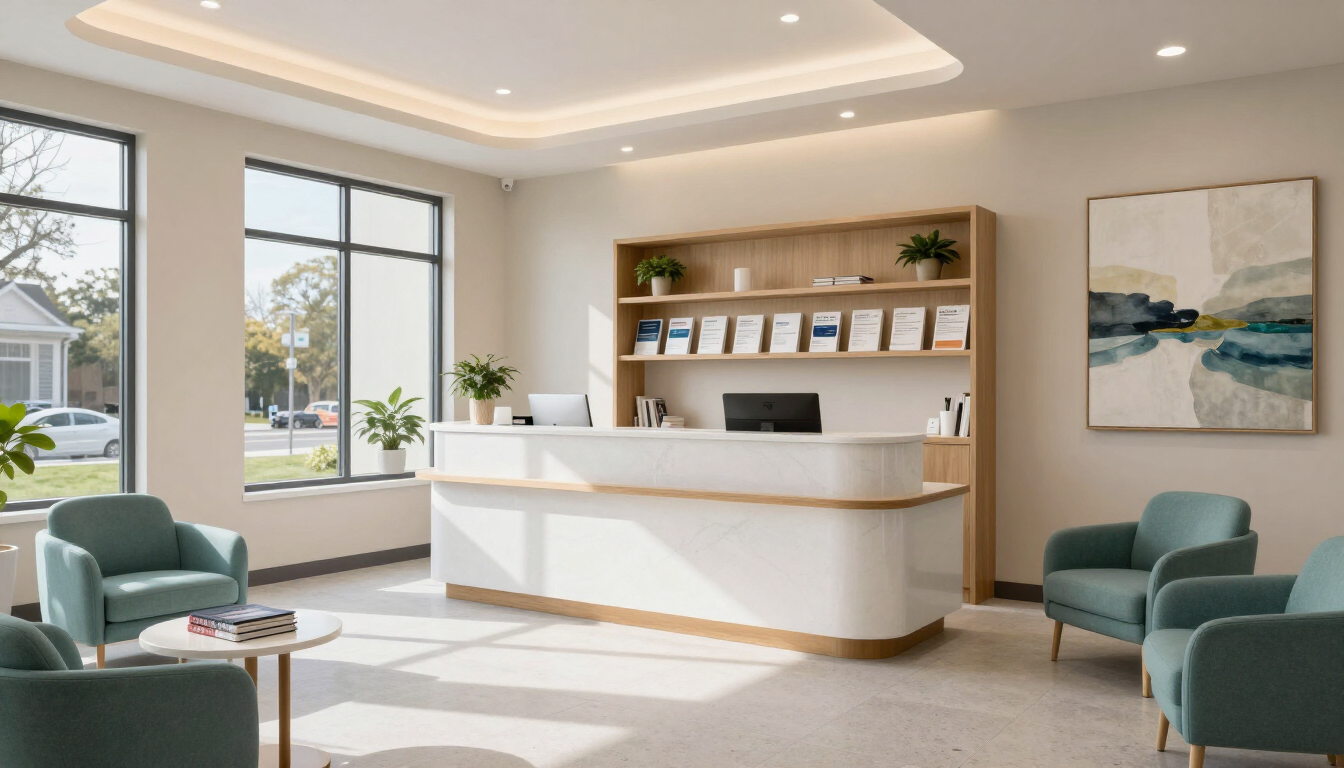
When you arrive at the facility, you will be greeted by a professional staff dedicated to a calm environment. You will likely have completed your Intake Form online, but your technician will review your health history with you to understand any specific areas of concern or recent injuries. This conversation helps the technician tailor the imaging session to your needs, whether you are seeking a localized study or a comprehensive Full Body Thermography assessment.
Key steps for your arrival include:
- Checking in with the administrative staff and finalizing paperwork.
- Reviewing your health history with a certified medical thermographer.
- Confirming the specific regions of the body to be imaged.
- Ensuring all pre-appointment protocols were successfully followed.
- Transitioning into the private imaging suite for the next phase.
Why is the temperature-controlled room necessary?
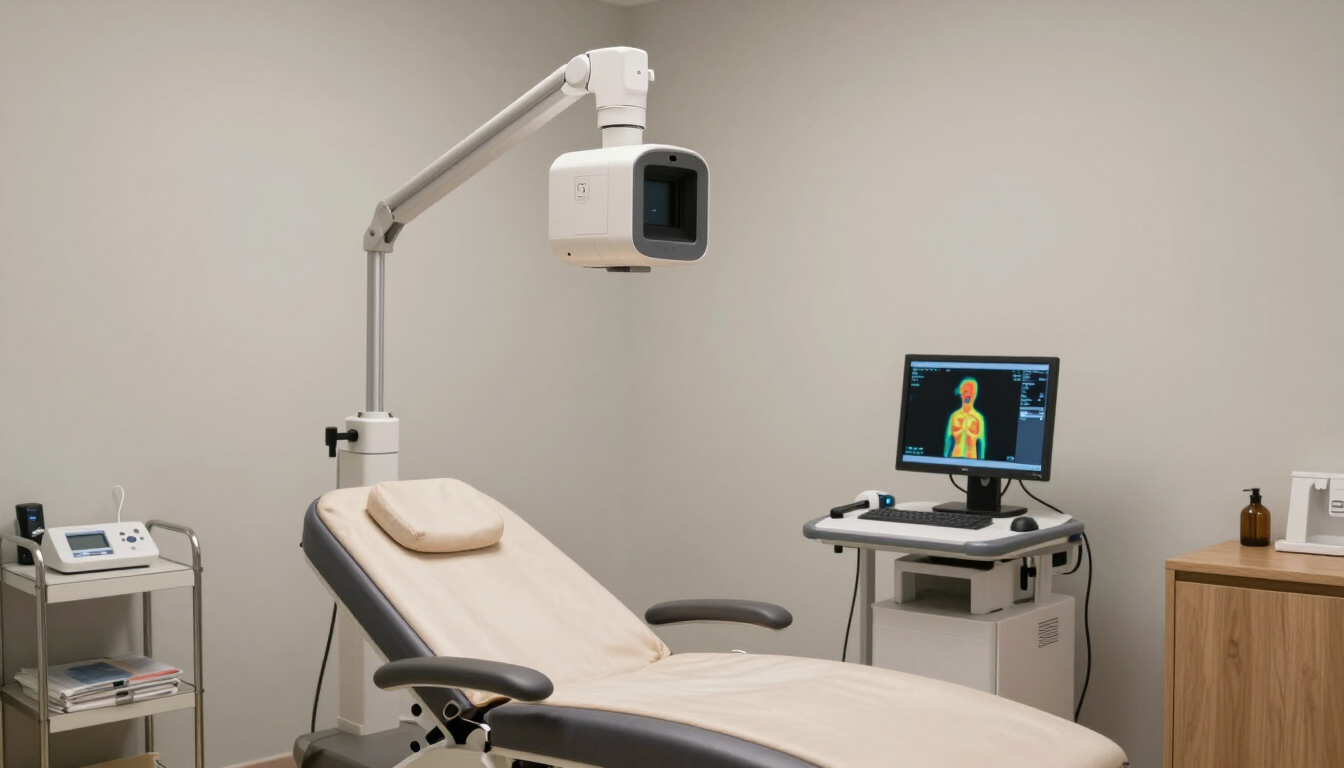
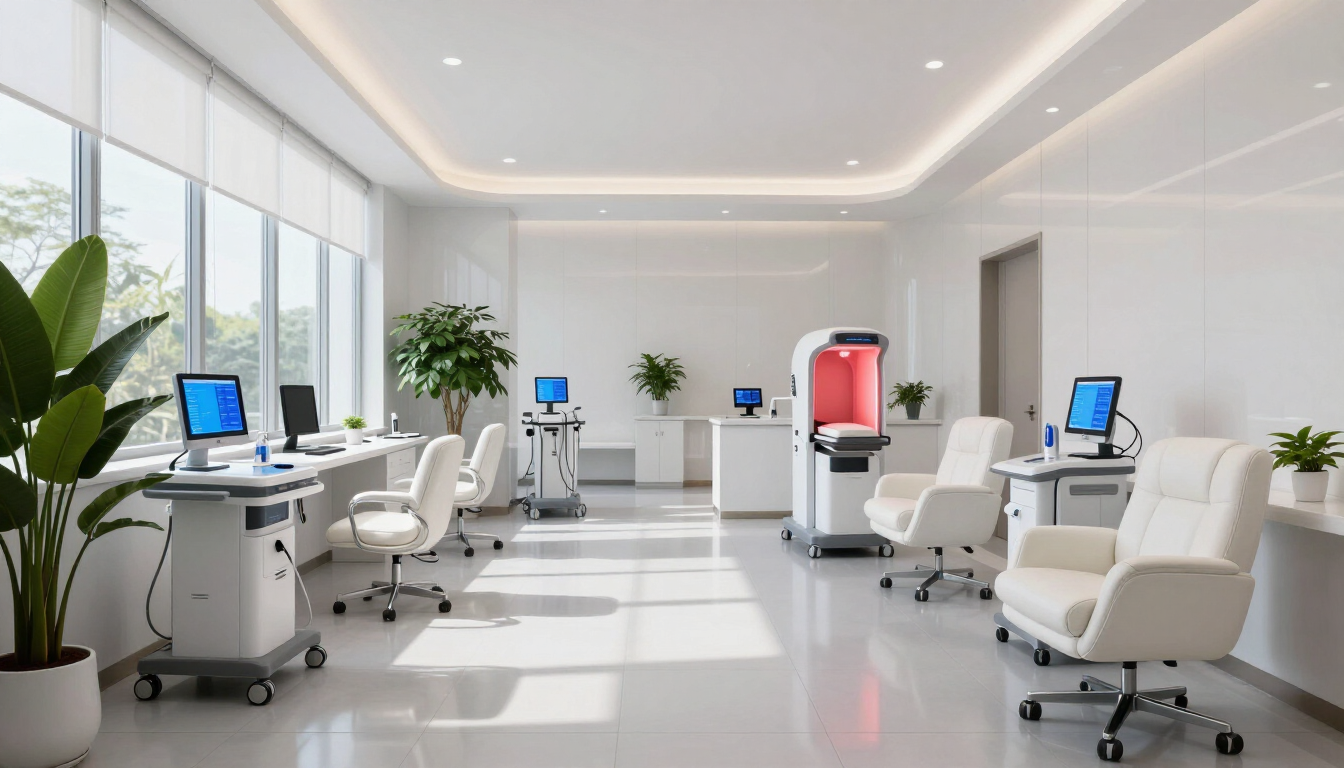
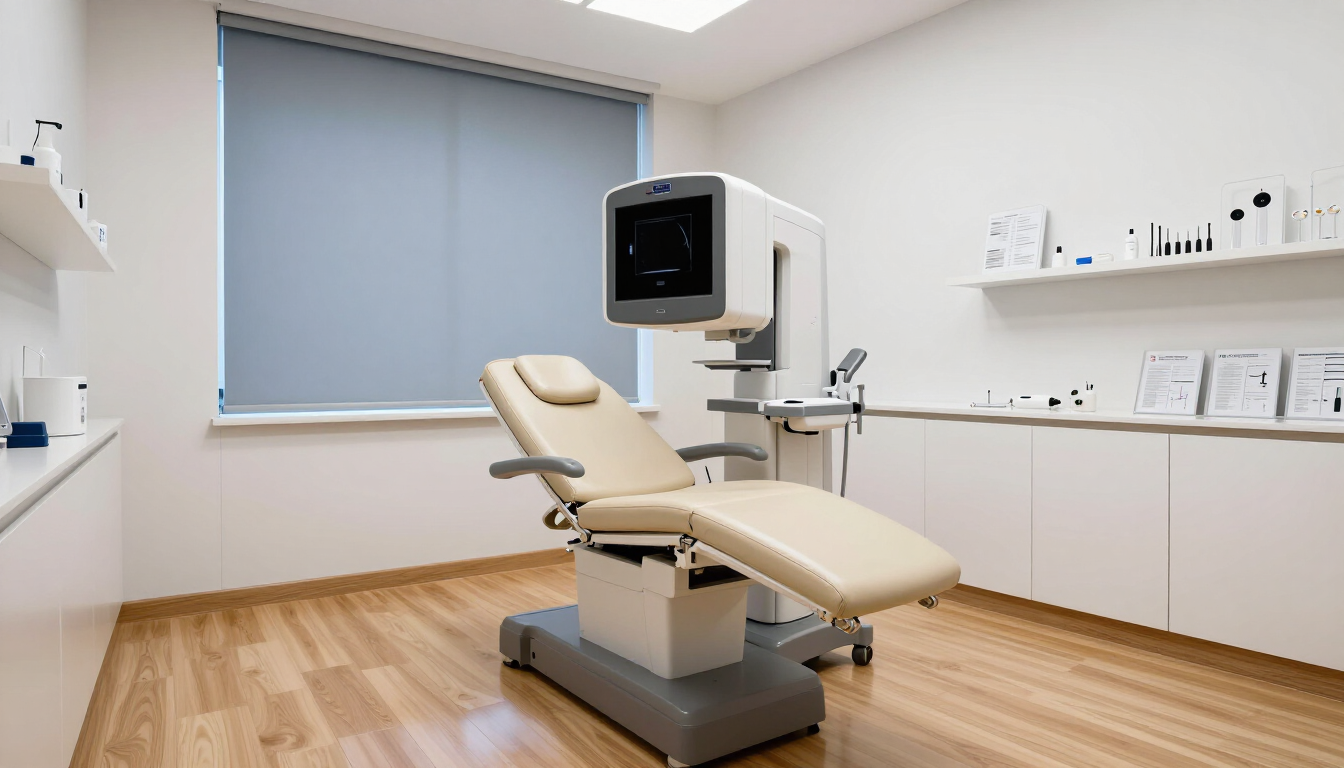
One of the most distinctive aspects of the thermography appointment process is the requirement for a temperature-controlled environment. After you enter the private imaging room, you will be asked to disrobe for the specific areas being imaged. You will then spend approximately 15 to 20 minutes relaxing in the room to allow your body to acclimate to the ambient air temperature. This period, known as acclimation, is vital for stabilizing the skin's surface temperature and ensuring that the infrared camera captures your true physiological state.
Inside the room, the temperature is carefully maintained between 68 and 72 degrees Fahrenheit. This specific range is chosen because it is cool enough to stimulate the body's sympathetic nervous system without causing shivering. The goal is to reach a "thermal equilibrium," where the heat radiating from your skin is no longer influenced by the clothing you were wearing or the temperature of the outdoors. During this time, you can sit comfortably and relax. The privacy of the room is strictly maintained, and the atmosphere is kept quiet to keep your stress levels low, as stress can also impact vascular patterns.
The contact-free imaging experience
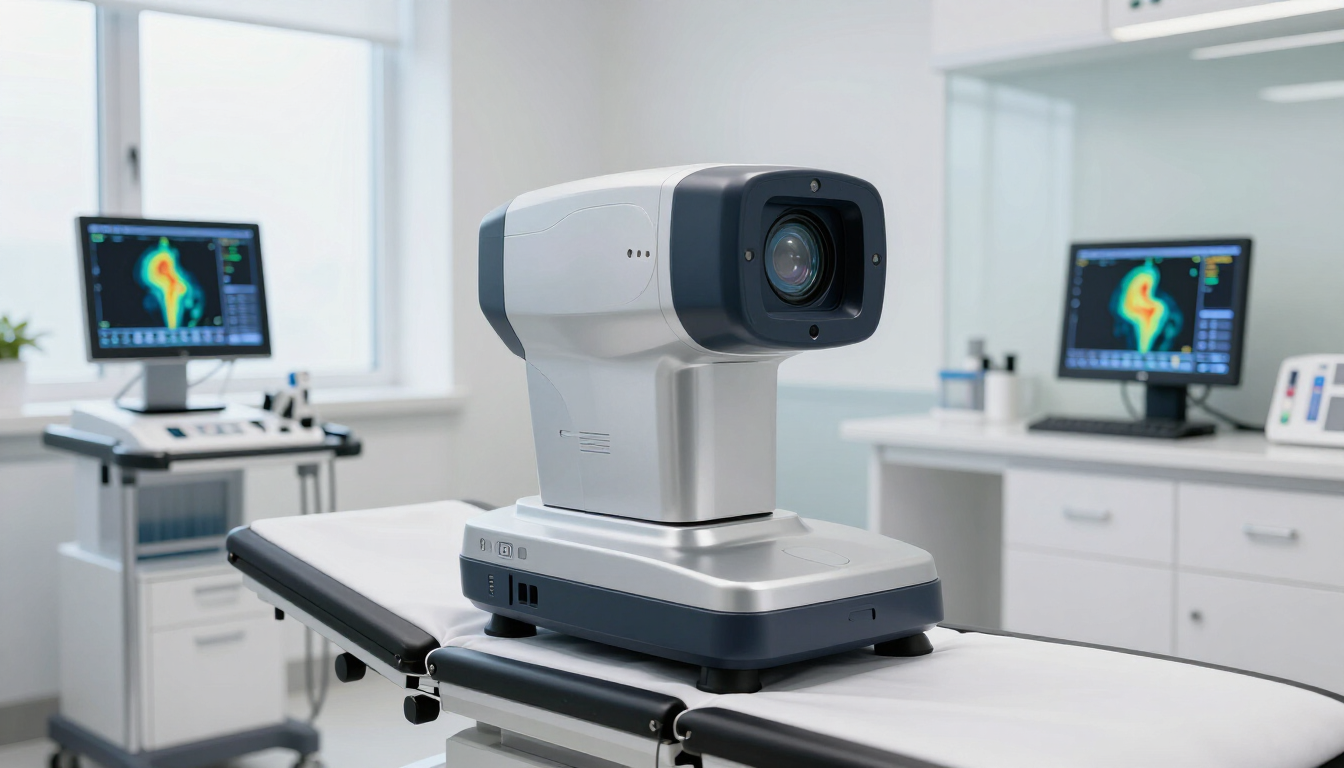
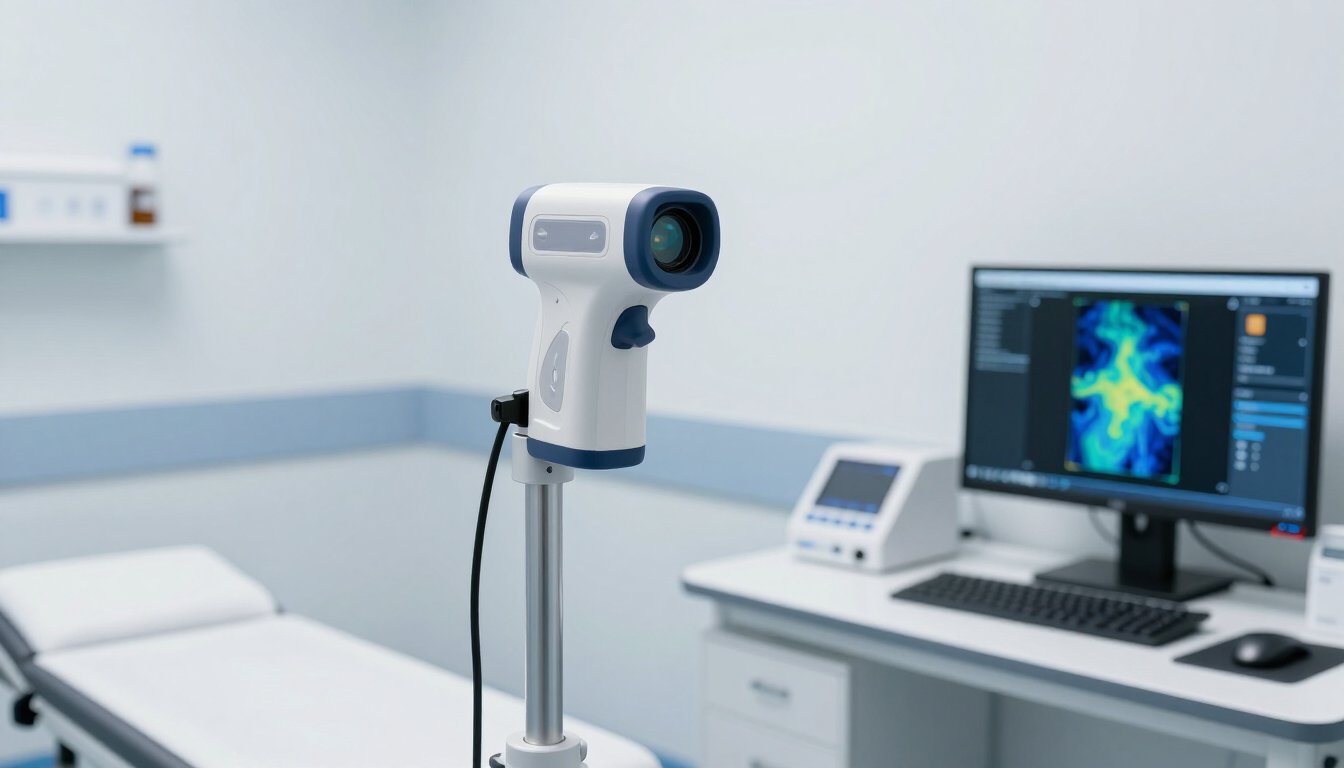
Once acclimation is complete, the actual imaging begins. This part of the thermography appointment process is entirely contact-free. You will stand or sit at a designated distance from the high-resolution infrared camera. The technician will guide you through a series of simple positions—such as facing forward, turning to the side, or raising your arms—to ensure that every relevant angle of the body is captured. The camera does not emit any energy; it simply acts as a receiver for the heat naturally radiating from your body.
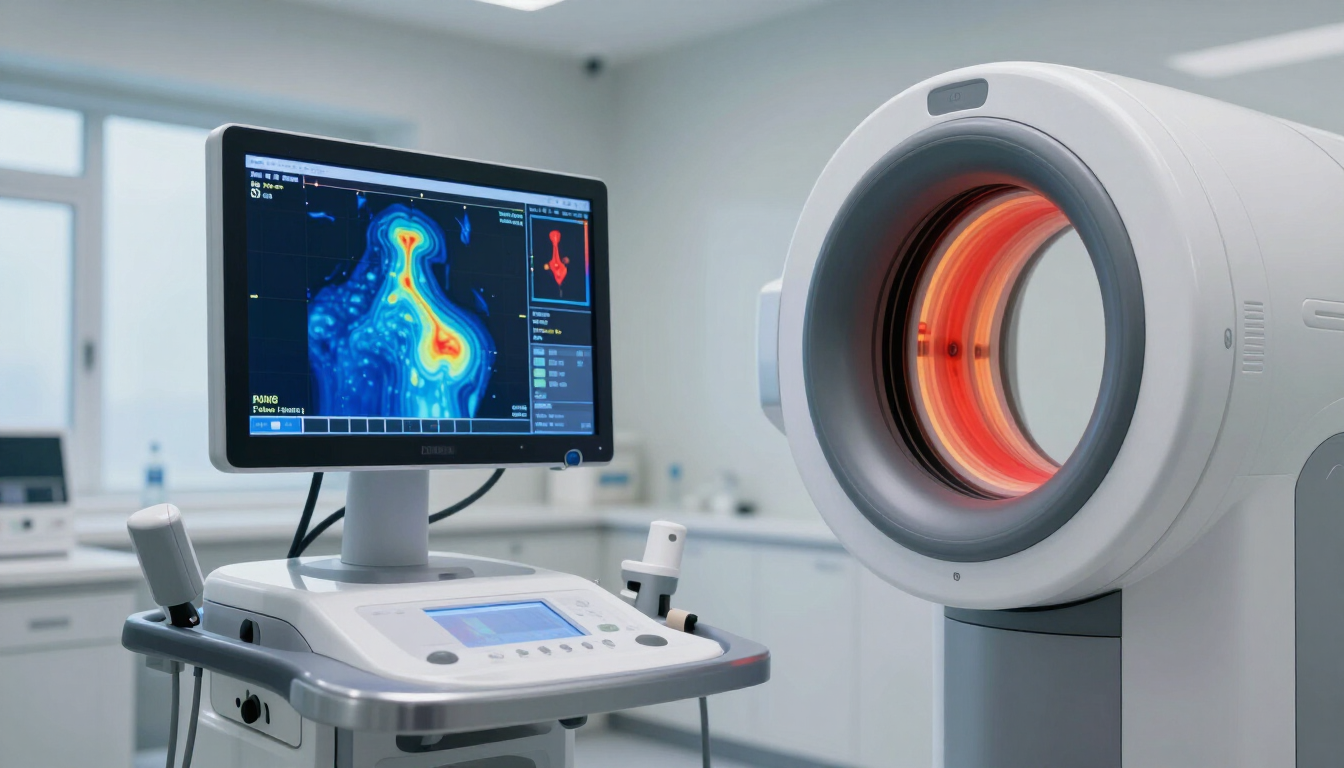
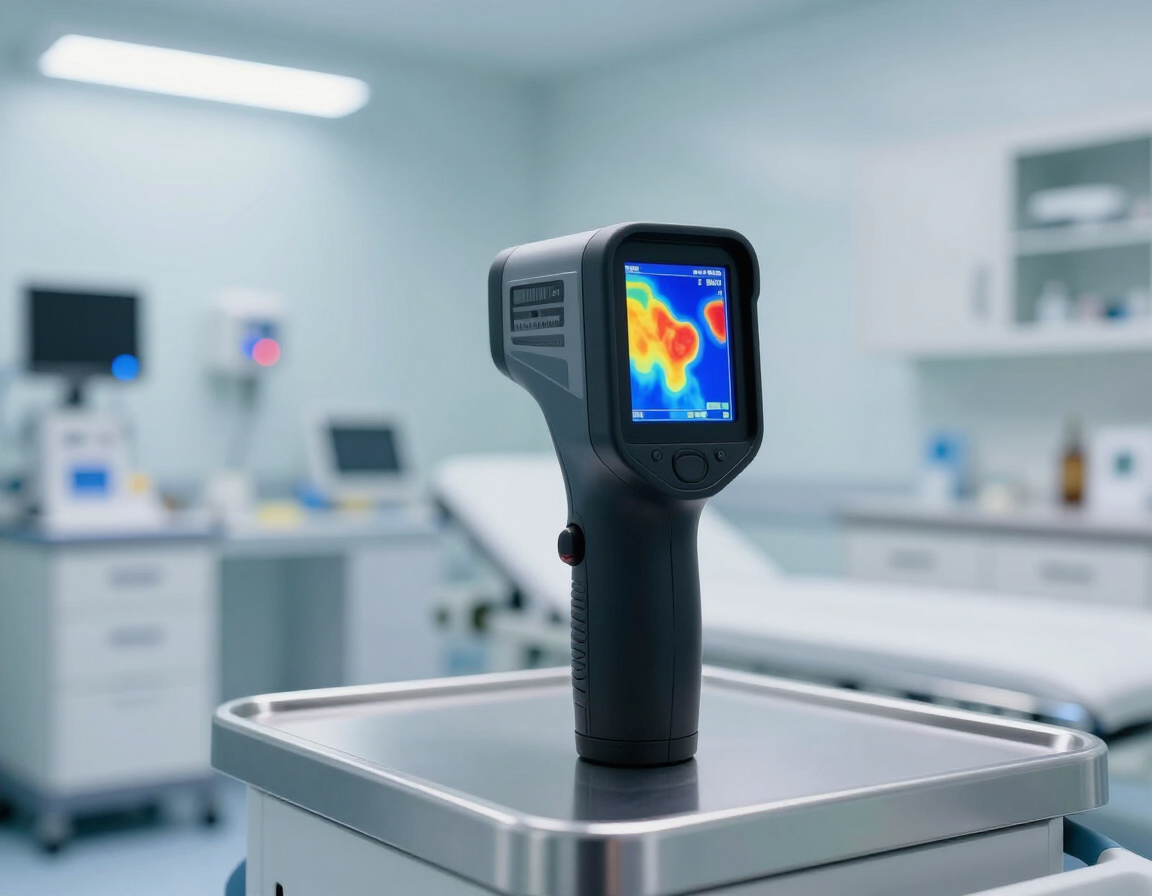
As the technician operates the software, you may be able to see the thermal images appearing on a monitor in real-time. These images are often displayed in a rainbow palette, where different colors represent specific temperature ranges. However, it is important to remember that these colors are a visual representation of data, not a final finding. The certified medical thermographer is trained to ensure the highest quality of image capture, focusing on focus, positioning, and thermal range to provide the interpreting physician with the best possible data set. The professional and clinical nature of this stage ensures that you feel supported and informed throughout the session.
How long does a thermography session take?
The duration of your visit depends largely on the type of screening you have selected. A focused region, such as Head & Neck Thermography , typically takes less time than a more expansive study. When planning your schedule, it is helpful to understand the general timeframes for different levels of imaging. Most clients find the experience to be efficient and streamlined, fitting easily into a proactive wellness routine.
Estimated appointment lengths:
- Breast-specific imaging: 30 to 45 minutes.
- Upper body or regional studies: 45 to 60 minutes.
- Full body imaging: 60 to 90 minutes.
- Follow-up baseline comparisons: 30 to 45 minutes.
- Initial consultation and intake: 15 minutes (additional).
This time includes the essential acclimation period mentioned earlier. Because accuracy is the priority, the process is never rushed. The technician takes the time to ensure each image is clear and that all thermal data is properly recorded. If you have questions about the technology or the specific views being taken, this is an excellent time to engage with your technician, who can provide factual information about The Process and how the equipment operates.
Understanding your report timeline
After the imaging is finished, the thermography appointment process shifts from the clinic to the laboratory for interpretation. The digital files are securely transmitted to a board-certified physician, often a radiologist or a specialist trained specifically in thermology. These experts analyze the thermal maps, looking for symmetries, vascular patterns, and temperature differentials that provide insight into your physiological health. They do not just look at a single image; they evaluate the entire study in the context of your provided health history.
Typically, you can expect to receive your formal report within 5 to 7 business days. This report includes the thermal images themselves and a detailed written interpretation. For many, the most valuable part of the report is the baseline it establishes. In thermography, your most important comparison is often yourself. By having a subsequent scan at a recommended interval, the interpreting physician can look for changes over time. Once you receive your results, you may find it helpful to review our guide on Understanding Your Report to prepare for a discussion with your primary healthcare provider.
Summary of the Experience The thermography appointment process is a straightforward, professional, and entirely non-invasive way to gain deeper insights into your body’s physiological patterns. By following a strict pre-screening protocol and allowing for a proper acclimation period, you ensure the highest quality of thermal data. The contact-free nature of the imaging makes it a comfortable choice for those seeking radiation-free options. From arrival to the delivery of your physician-interpreted report, the process is designed to empower you with information that supports your long-term wellness goals.
- Arrival: Professional check-in and history review.
- Acclimation: 15-20 minutes in a temperature-controlled room.
- Imaging: Contact-free, multi-angle thermal capture.
- Results: Physician-interpreted report delivered within a week.
- Next Steps: Integration of findings into your wellness plan.
Disclaimer: Thermography is an adjunctive imaging procedure and does not diagnose disease or replace other recommended screenings. It is intended to provide physiological insights to be used in conjunction with other clinical findings by a qualified healthcare professional.