How to Use Adjunctive Thermal Imaging Well

Samantha Boylls • October 19, 2026

Share this article

Adjunctive thermal imaging gives integrative and functional healthcare practitioners an additional, non-invasive source of information for patient education and care conversations. Patients may access CT Thermography without a referral, and each study receives a structured, three-level review by board-certified thermologists before a clear report is provided.

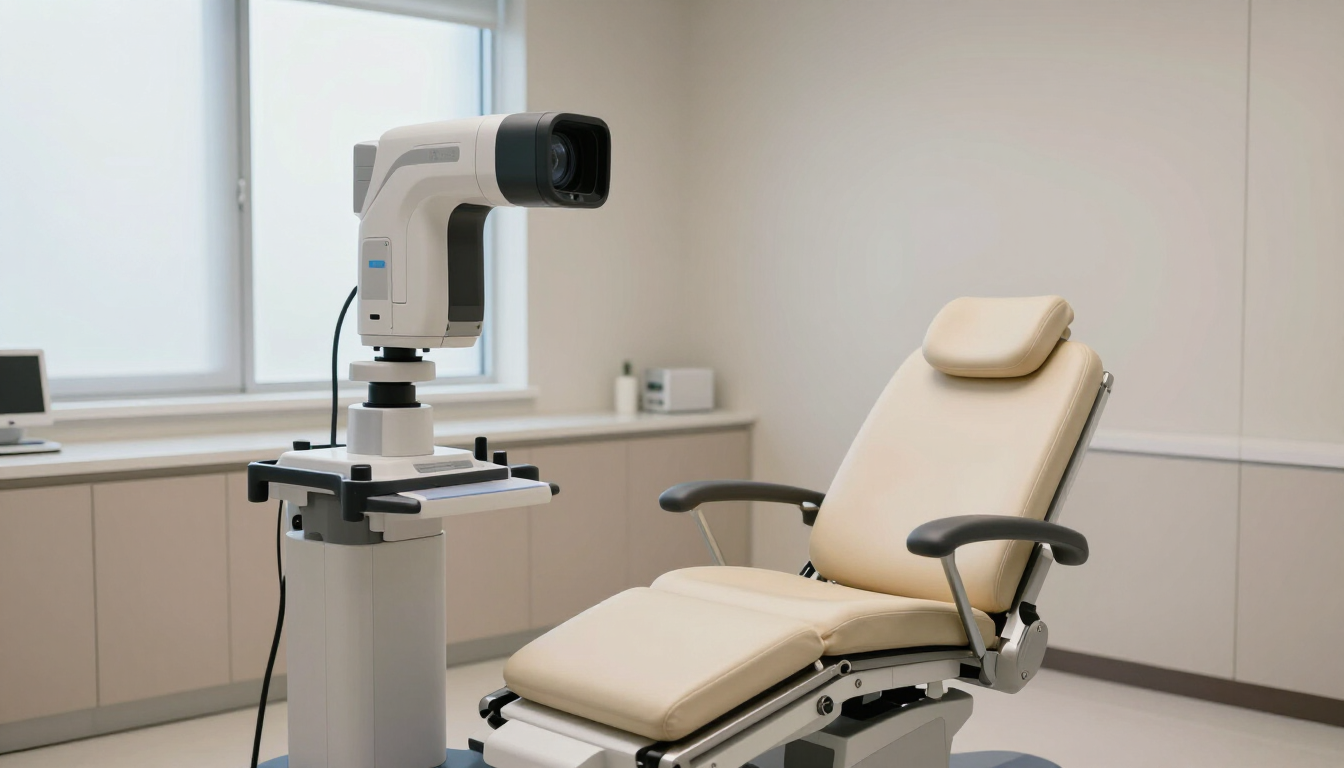
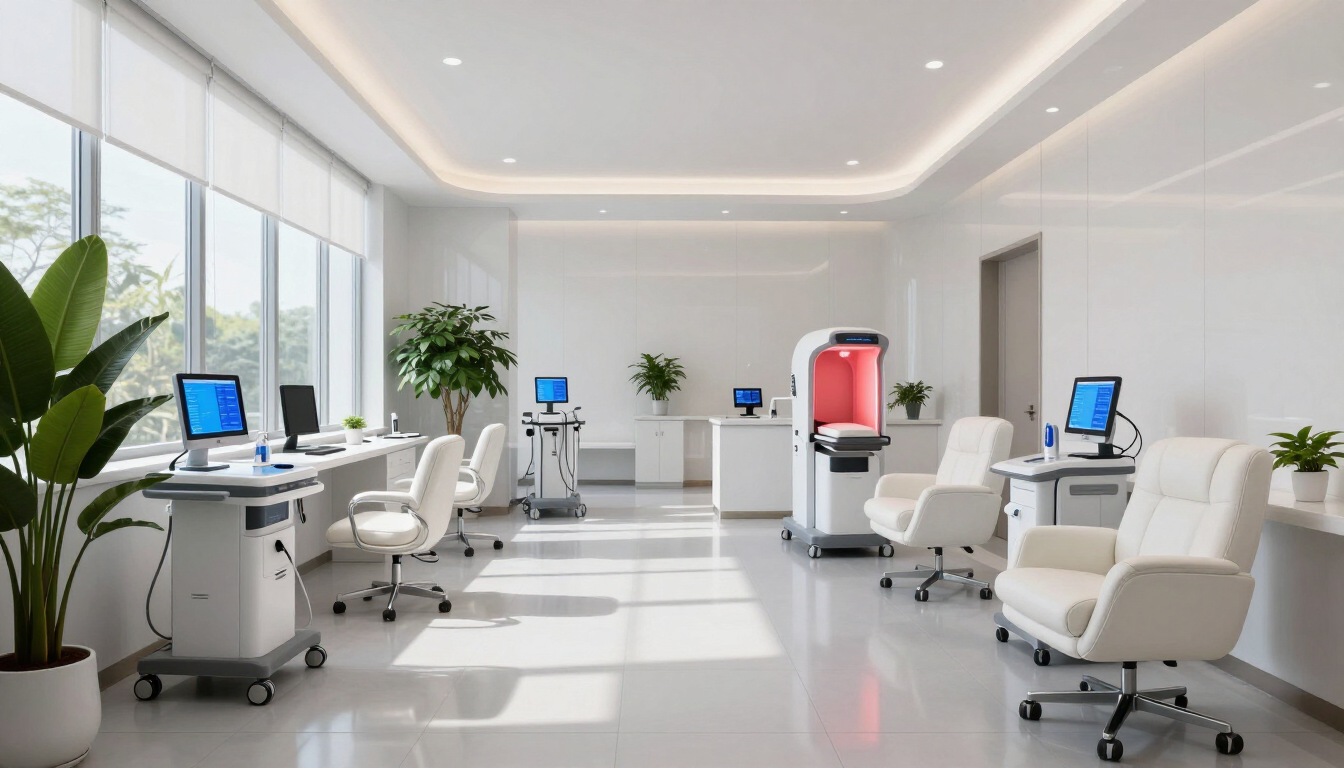
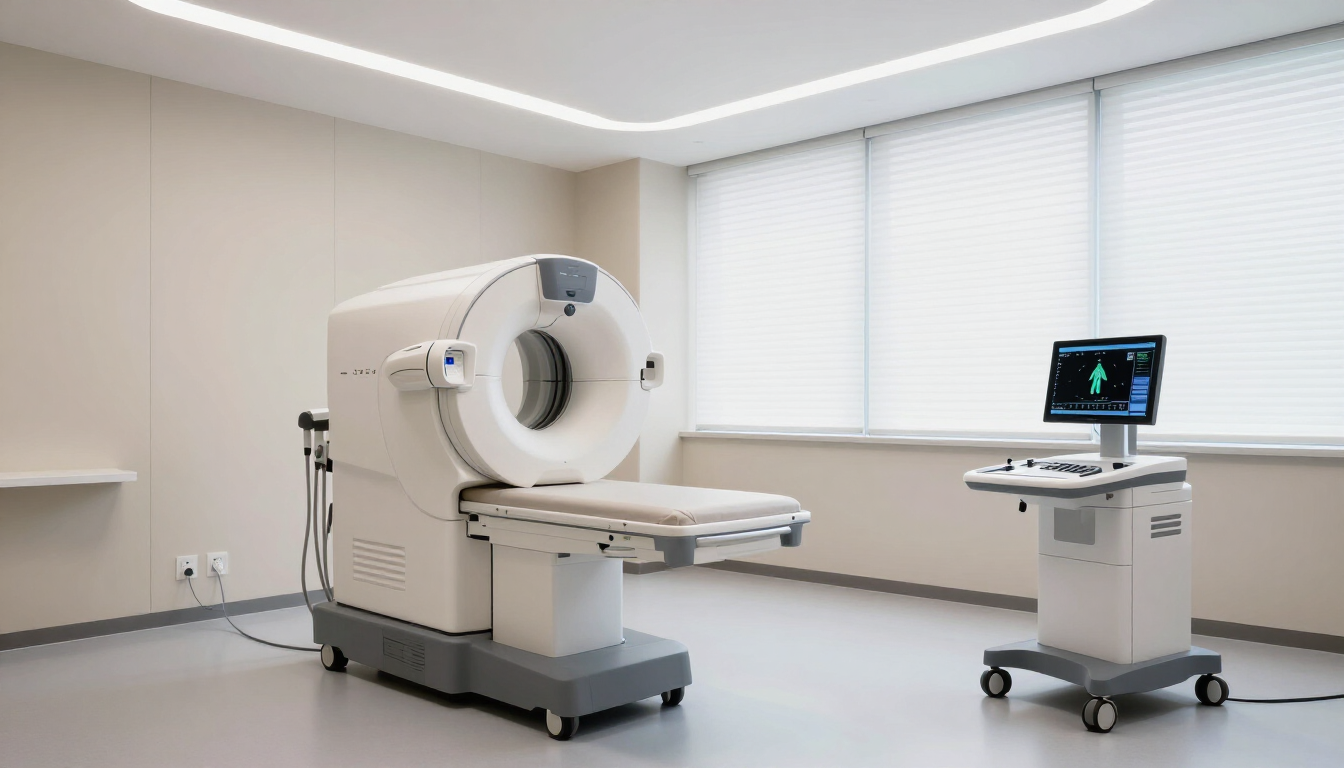
Professional thermography imaging room with infrared equipment

What is adjunctive thermal imaging?

Adjunctive thermal imaging is a radiation-free, non-contact imaging procedure that records heat patterns at the body’s surface. The resulting images may provide information that supports a broader wellness discussion, alongside the patient’s history, symptoms, examination, and other appropriate clinical resources.

For integrative practitioners, the value is often practical: thermal imaging can give patients a visual tool for discussing changes, wellness goals, and questions they may wish to bring to their healthcare team. It is not intended to replace a practitioner’s assessment or established standards of care.

CT Thermography offers region-specific and full-body studies, including breast thermography , upper-body thermography , head and neck thermography , and full-body thermography .

How can practitioners use thermal imaging with patients?

Integrative practitioners can use an adjunctive thermal imaging report as a conversation aid rather than as a standalone clinical conclusion. Appropriate uses may include:

  • Reviewing the patient’s stated wellness concerns and relevant history.
  • Identifying topics the patient may want to discuss with a qualified clinician.
  • Supporting education about circulation, inflammation-related patterns, and thermal asymmetry without assigning meaning to an image in isolation.
  • Comparing future studies when clinically appropriate and when the same preparation standards are followed.
  • Encouraging patients to follow through with recommended medical care.

The practitioner’s role is to place the report in context. A report should be considered with the patient’s goals, current care plan, physical findings, and other relevant information. Practitioners should avoid presenting thermal images as a definitive answer or using them to direct care outside their professional scope.

Is a referral required?

No. CT Thermography provides no-referral access, allowing individuals to request an appointment directly. This can be useful for patients who are interested in proactive wellness information or who want to bring additional questions to their existing care team.

No-referral access does not mean no preparation is needed. Patients should review the pre-screening protocol before their appointment. Preparation helps create more consistent imaging conditions and may improve the usefulness of comparisons over time.

Practitioners can share the appointments page with patients who want to learn about scheduling. Patients may also contact CT Thermography with questions about the process, study options, or what to expect.

What happens during the review process?

Each study is reviewed through three levels by board-certified thermologists. This structured process is designed to support careful quality control and clear communication.

  1. Image acquisition: A trained team member captures the thermal images under controlled conditions. The process is comfortable, non-invasive, and does not use ionizing radiation.
  2. Technical review: The images are assessed for quality, completeness, and suitability for professional review. If additional information is needed, the study can be handled according to the practice’s established workflow.
  3. Physician-level review and reporting: Board-certified thermologists review the study and prepare the report. The final material is written to support understanding and appropriate follow-up conversations.

This layered review is an important distinction for practitioners evaluating adjunctive thermal imaging services. It provides a defined path from image capture to professional reporting instead of leaving patients to interpret images on their own.

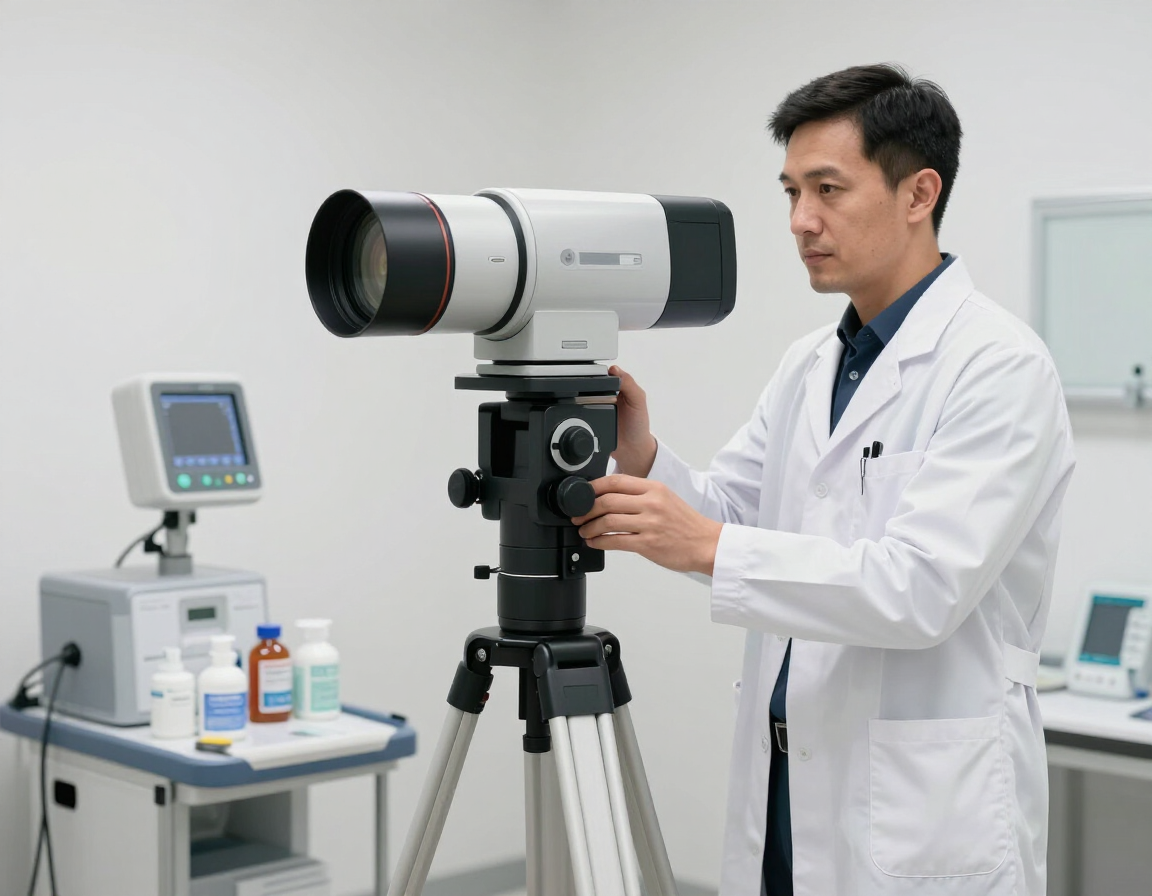
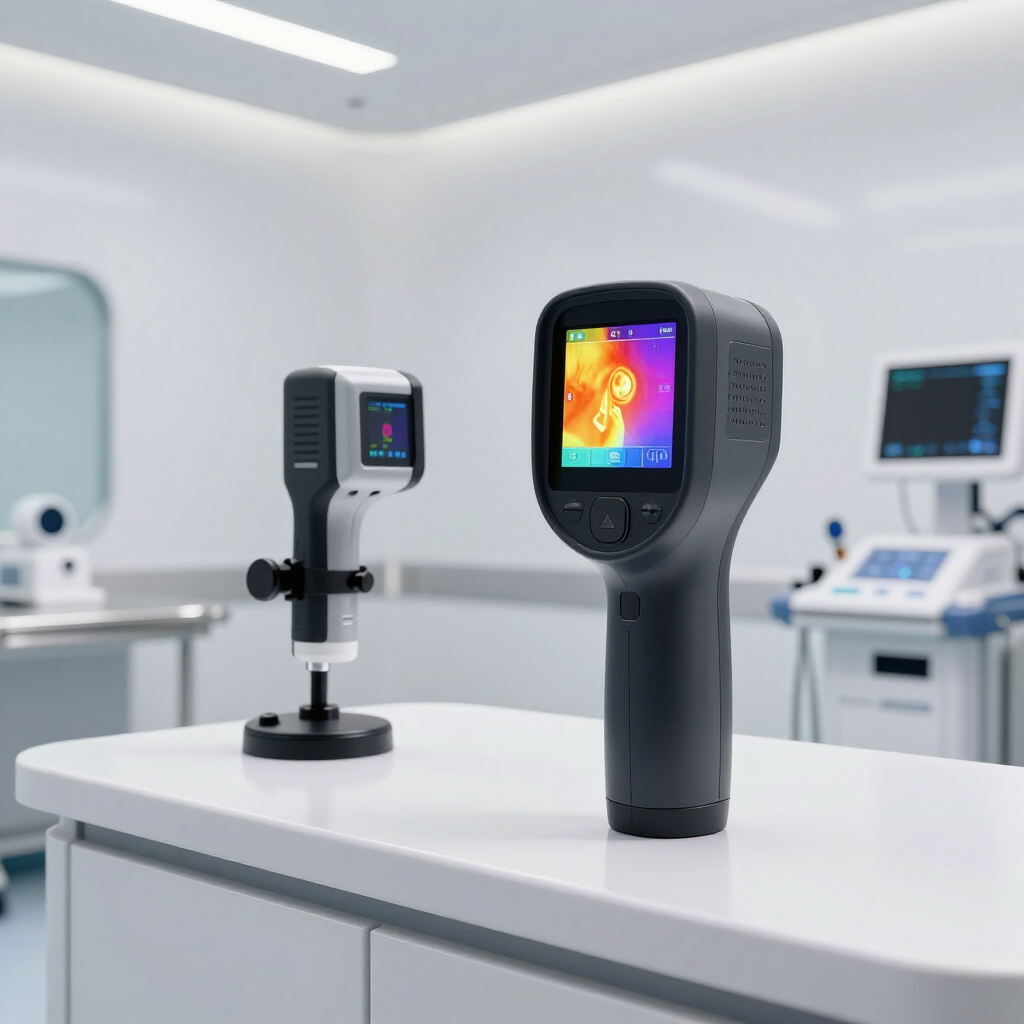
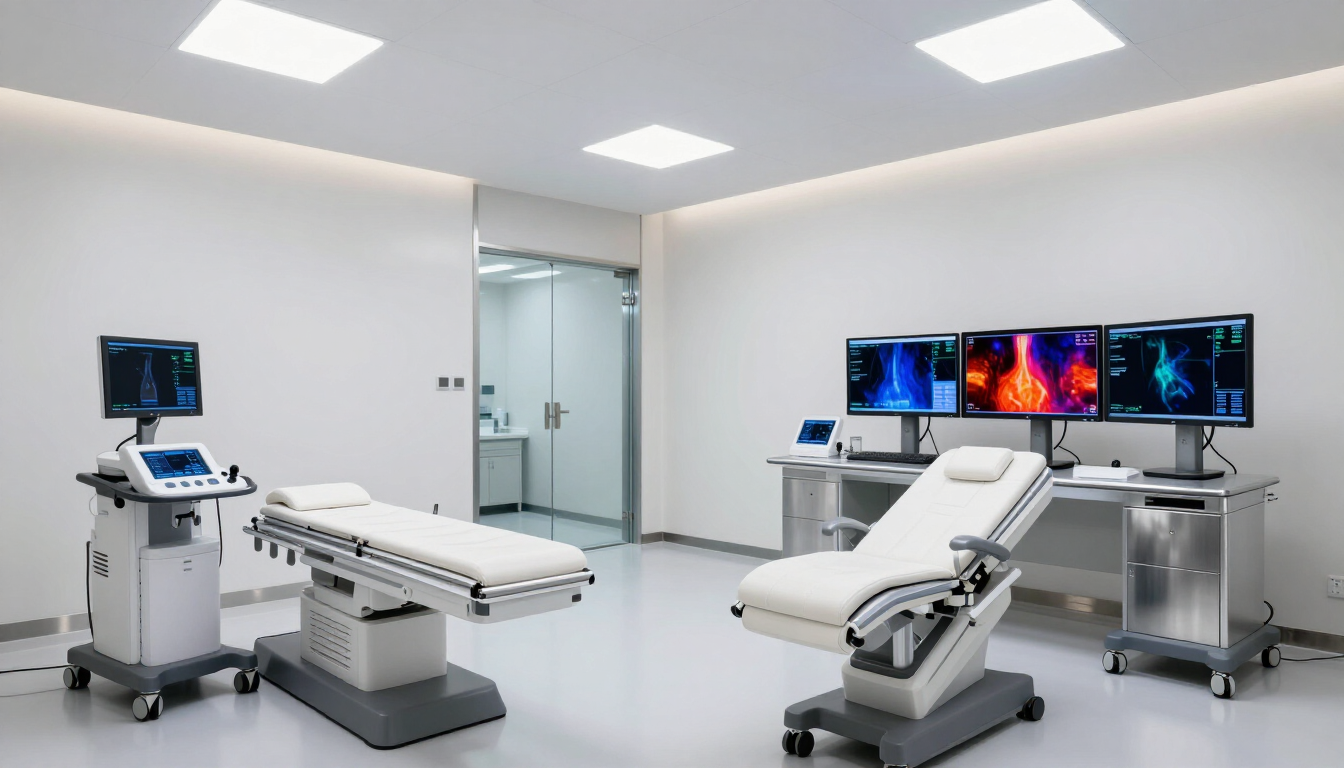
Infrared thermography camera prepared for a patient study

How can a report inform patient conversations?

A report can help organize a conversation, especially when the practitioner uses open-ended questions and keeps the patient’s broader context in view. Useful prompts may include:

  • “What questions does this report raise for you?”
  • “How does this information relate to your current wellness goals?”
  • “Have you discussed these concerns with your primary healthcare professional?”
  • “Would additional evaluation or follow-up be appropriate for your situation?”
  • “What support would help you take the next step?”

These questions keep the patient engaged while avoiding unsupported conclusions. Practitioners can explain that thermal imaging records surface heat patterns and that the report is one piece of information. The report may help a patient communicate more clearly, but it should not be treated as a substitute for a complete clinical evaluation.

The understanding your report resource can provide patients with additional background on how reports are presented. Practitioners may also direct patients to the FAQs for general process questions.

What should practitioners discuss before scheduling?

A short, factual conversation before scheduling helps establish appropriate expectations. Practitioners should explain that:

  • The study is non-invasive and radiation-free.
  • A referral is not required through CT Thermography.
  • Patients must follow preparation instructions before imaging.
  • Images are reviewed through a three-level process involving board-certified thermologists.
  • The report is adjunctive and should be discussed in the context of the patient’s overall care.
  • The service does not replace care from a licensed healthcare professional.

Practitioners should also confirm that the patient understands the purpose of the study. Clear expectations support informed participation and reduce the risk that a patient will view thermal imaging as a stand-alone answer to a complex health concern.

A practical workflow for integrative practices

Integrative and functional healthcare practices can incorporate adjunctive thermal imaging into patient education with a simple workflow:

  1. Identify the patient’s question. Clarify what the patient hopes to learn and whether thermal imaging is an appropriate educational resource.
  2. Review preparation requirements. Direct the patient to the pre-screening protocol and allow time for questions.
  3. Schedule directly. Patients can use the appointments page or contact CT Thermography.
  4. Review the report together. Focus on the report’s language, the patient’s concerns, and questions for the broader care team.
  5. Document the conversation. Record that the study was discussed as adjunctive information and note any recommended follow-up within the practitioner’s scope.

This workflow keeps the emphasis on education, communication, and coordinated care. It also helps practices use the report consistently without overstating what thermal imaging can provide.

Why preparation and consistency matter

Thermal images can be influenced by environmental and personal factors. Following preparation guidance helps create a more consistent baseline for the study. Patients should read instructions carefully and tell the imaging team about relevant circumstances that may affect the appointment.

For repeat studies, consistency is especially important. Similar timing, preparation, and imaging conditions can make reports easier to discuss over time. Practitioners should avoid making direct comparisons when conditions differ substantially or when the patient’s clinical circumstances have changed.

CT Thermography’s process overview explains what patients can expect before, during, and after the appointment.

Key takeaways for practitioners

  • Adjunctive thermal imaging can support patient education and informed conversations.
  • CT Thermography offers direct, no-referral access for individuals in New England and neighboring areas.
  • Each study receives three-level review by board-certified thermologists.
  • Reports should be considered alongside history, examination, and appropriate professional care.
  • Preparation and consistent conditions help support useful follow-up discussions.

The best use of adjunctive thermal imaging is collaborative: help patients understand what the report can contribute, place it within their broader care context, and guide them toward appropriate next steps. Practitioners should use the report to encourage thoughtful questions rather than definitive conclusions. Patients considering a study can review the preparation guidance, explore available imaging options, and contact CT Thermography before scheduling.

Disclaimer: Thermography is an adjunctive imaging procedure. It does not diagnose disease and does not replace evaluation, treatment, or follow-up from a qualified healthcare professional.

Recent Posts

Breast thermography consultation for a breast health routine
By Samantha Boylls • October 12, 2026
Five supportive questions to ask about adding breast thermography to your breast health routine, including visits, reports, and care coordination.
Thermography appointment imaging room prepared for a fall screening
By Samantha Boylls • October 5, 2026
Prepare for your fall thermography appointment with a practical cold-weather checklist covering heat exposure, showers, drinks, lotions, and more.

A professional medical screening room in Westport CT for thermography.
September 28, 2026
Learn how to schedule a professional thermography screening in Westport, CT. Our guide covers office visits, preparation protocols, and what to expect during your study.
Professional thermal imaging equipment for male health screenings
September 21, 2026
Discover how full body thermography for men provides insights into physiological health and inflammation. No referral needed for these professional screenings.
A professional medical thermographer reviewing digital thermal images on a high-resolution screen.
September 14, 2026
Learn why comparison thermography screenings are essential for tracking unique thermal patterns and establishing a stable health baseline over time.
Professional thermography camera in a private clinic setting
September 7, 2026
Learn about the thermography appointment process. A step-by-step guide to our non-invasive, radiation-free imaging from arrival to your results report.
A private, temperature-controlled thermography imaging room in Glastonbury, CT.
August 24, 2026
Book your late-summer thermography appointment in Glastonbury, CT. Experience professional, non-invasive health screening with no referral required.
A professional and calm medical thermography imaging suite.
August 17, 2026
Learn why scheduling your six-month comparison scan this August is vital for confirming thermal pattern stability and establishing a reliable health baseline.
Peaceful late summer sunlight in New England representing wellness.
August 10, 2026
Learn how to prepare for your late-summer thermography appointment. Get essential tips on sun exposure, tanning, and timing your screening for accurate results.
A private medical imaging room for thermography in Westport, CT.
August 6, 2026
A comprehensive guide on what to expect during your thermography appointment in Westport, CT. Learn about our private, temperature-controlled imaging process.

Show More