
How Comparison Thermography Screenings Monitor Patterns

September 14, 2026

Share this article

Comparison thermography screenings are follow-up appointments, typically scheduled six months after a baseline, used to identify your unique thermal signature. By comparing two sets of images, practitioners track thermal patterns over time to establish physiological stability and monitor subtle fluctuations in your body’s infrared heat distribution.

Why is a six-month comparison screening necessary?

When you first visit us for thermography , the initial images captured provide a standalone snapshot of your body’s infrared radiation at that specific moment. While this baseline is incredibly valuable, it doesn't yet tell the whole story of your unique physiology. A single screening shows where heat is present, but it cannot determine if that heat is a permanent fixture of your biology or a temporary reaction to recent activity.

The six-month interval for a comparison screening is strategically chosen based on the natural cycles of human physiology. This timeframe allows enough time for temporary inflammatory responses—such as those from a minor injury, a recent illness, or even significant seasonal changes—to resolve. When you return for your second appointment, we are looking for "thermal stability." If the heat patterns in the second screening match the first, we have successfully established your "thermal fingerprint."

Establishing this fingerprint is the most critical step in long-term health monitoring. Everyone has a unique thermal profile; what is "normal" for one person might be an outlier for another. By confirming that your patterns are consistent over a six-month period, we create a reliable point of reference. Future annual screenings will then be compared against this established baseline to monitor for any subtle deviations that may occur over the years.

Understanding Thermal Patterns and Stability

Thermal patterns represent the infrared energy emitted by the surface of your skin, which is directly influenced by the sympathetic nervous system and vascular activity beneath the surface. These patterns are not random. In a healthy state, the body tends to maintain a high degree of thermal symmetry. This means the left side of your body should generally mirror the right side in terms of heat distribution.

  • Symmetry signifies balanced vascular flow.
  • Stability indicates consistent physiological activity.
  • Patterns reflect the unique "map" of your blood flow.
  • Changes over time highlight areas for further wellness focus.
  • Comparison data offers a longitudinal view of your health.

When we speak about monitoring patterns, we are looking at how heat moves and settles in specific regions. For example, in breast thermography , we look for stable vascular patterns. If a comparison screening shows that the vascular heat signature has remained identical over six months, it provides peace of mind that the activity is a normal, stable part of your physiology. Without that second screening, we wouldn't know if the heat seen in the baseline was a new development or something that has been there for years.

How do we monitor changes in your thermal profile?

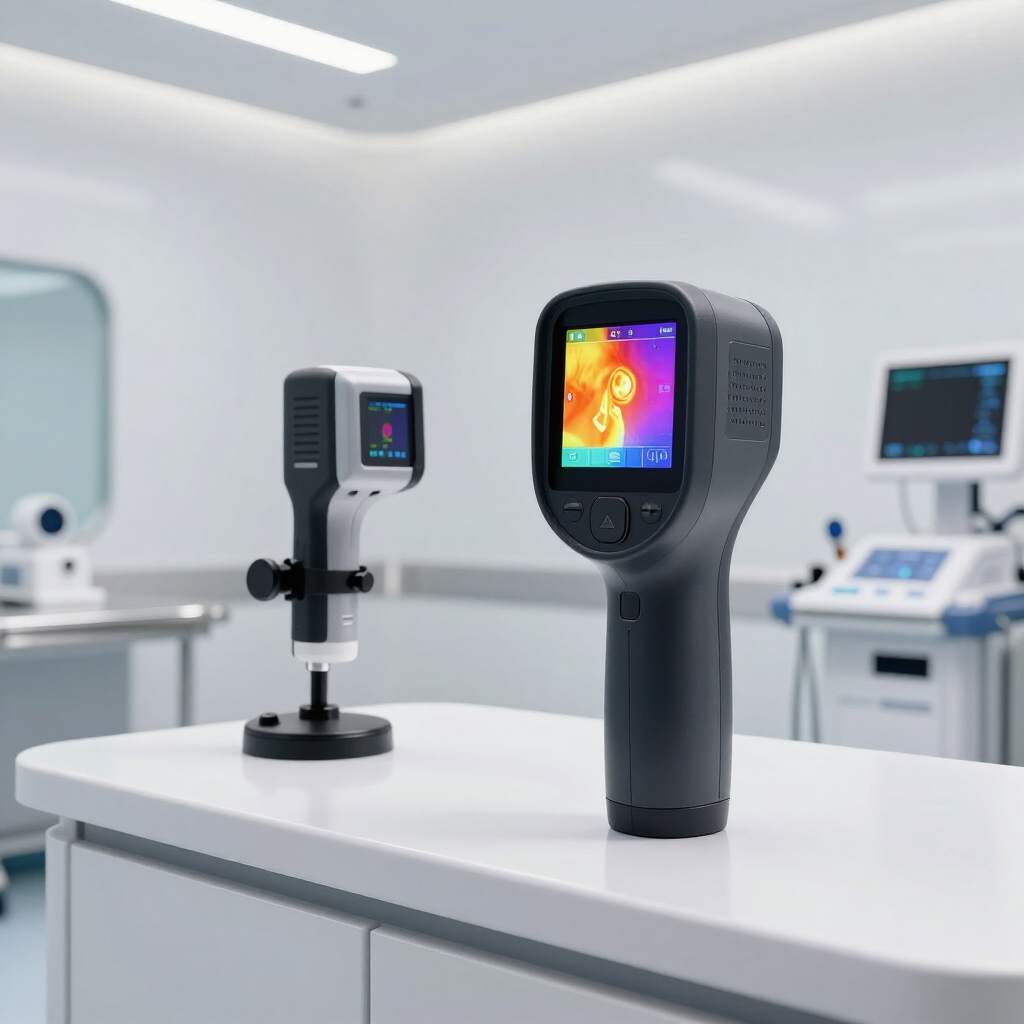
Monitoring your thermal profile involves a sophisticated process of image overlay and quantitative analysis. Our certified medical thermographers use high-resolution digital infrared cameras to capture temperature data points across the body. During your comparison visit, the imaging process follows the exact same pre-screening protocol as your first visit to ensure environmental variables are controlled.

Once the new images are captured, they are sent to our team of board-certified physicians for interpretation. These physicians do not just look at the new images in isolation; they perform a side-by-side comparison with your baseline studies. They look for minute differences in temperature—often as small as 0.01 degrees Celsius—and evaluate whether the thermal architecture of the body has shifted.

Professional medical office setting

This comparison is what allows thermography to be a truly proactive tool. If the thermal patterns remain unchanged, it suggests that the body is in a state of physiological homeostasis. If changes are noted, the interpreting physician will provide detailed notes in your report, often suggesting lifestyle adjustments or further clinical correlation to help you maintain your wellness goals. This process is central to the process we follow at CT Thermography to ensure the highest standard of care.

Navigating the Client Portal and Report Delivery

One of the most important aspects of your experience with us is how you receive and interact with your health data. We utilize a secure, HIPAA-compliant client portal to deliver your results, ensuring that your sensitive information is protected while remaining easily accessible to you and your healthcare team. The transition from your screening appointment to receiving your report is designed to be seamless and educational.

  1. Image Upload: Immediately following your screening, your digital infrared images are uploaded to our secure server.
  2. Physician Review: A board-certified physician interprets the images, comparing the new data to your previous baseline.
  3. Report Generation: A comprehensive PDF report is generated, including color thermal images and detailed medical notations.
  4. Secure Notification: You will receive an email notification when your report is ready for viewing in the portal.
  5. Direct Access: You can log in at any time to download your report or share it with your primary care provider.

When you open your comparison report, you will see your previous images next to your current images. This visual evidence is a powerful tool for understanding your report . It allows you to see the stability of your health for yourself. Our goal is to empower you with information, giving you a clear window into how your body is functioning.

What should you expect during your comparison visit?

If you have already completed a baseline, your comparison visit will feel very familiar. The consistency of the environment and the procedure is what makes the data reliable. You will be asked to follow the same cooling-off period, where your body acclimates to the temperature-controlled room, ensuring that we are measuring your core physiological heat rather than surface heat from your clothing or the outdoors.

During the imaging, we will repeat the same series of views taken during your initial upper body thermography or full body thermography session. We use specific anatomical markers to ensure the angles of the images are identical to your baseline. This precision is what allows the interpreting physicians to accurately assess whether any shifts in thermal patterns have occurred.

  • Arrive 15 minutes early to begin the cooling process.
  • Wear loose-fitting clothing to your appointment.
  • Avoid strenuous exercise or hot showers on the day of the visit.
  • Refrain from using lotions or deodorants before the scan.
  • Update the technician on any new health developments since your baseline.

Many clients find the comparison visit even more relaxing than the first, as they are already comfortable with the equipment and the staff. It is an excellent time to ask questions about your health journey and discuss any changes you’ve made to your wellness routine since your last visit. We believe that informed clients are empowered clients.

Tablet showing a health portal

The Long-Term Value of Comparison Screenings

The true power of digital infrared thermal imaging is realized over years, not just months. While the six-month comparison establishes the baseline, subsequent annual screenings build a long-term library of your health history. As we age, our physiology naturally shifts. Having a recorded history of your stable thermal patterns allows us to identify when a change is truly significant versus a normal part of the aging process.

By staying consistent with your appointments , you are taking a proactive step toward health maintenance. You are no longer relying on how you "feel" alone; you have objective data that tracks the internal activity of your body. This longitudinal tracking is the gold standard for anyone interested in functional wellness and preventative health strategies.

Summary of Key Takeaways

  • Establish Stability: The six-month follow-up confirms your unique thermal "fingerprint" by ensuring patterns are consistent.
  • Monitor Trends: Comparison screenings allow for the tracking of physiological changes over time, rather than relying on a single snapshot.
  • Secure Access: All results, including side-by-side comparison images, are delivered through a secure, easy-to-use client portal.
  • Empower Decisions: Detailed reports from board-certified physicians provide the insight needed to make informed wellness choices.
  • Proactive Wellness: Regular screenings provide a longitudinal view of health, helping to identify shifts in thermal patterns early.

Comparison thermography screenings are the cornerstone of a proactive health strategy. By returning for your follow-up six months after your baseline, you ensure that your thermal patterns are accurately understood and recorded. This process provides a reliable foundation for all future health monitoring, giving you the clarity and confidence to manage your wellness effectively. If you are ready to schedule your comparison, we are here to support your continued journey toward optimal health.

Disclaimer: Thermography is an adjunctive imaging procedure and is intended for use alongside other clinical diagnostic tests. It does not diagnose disease, including cancer. All thermal imaging studies should be interpreted by qualified medical professionals and correlated with other clinical findings.

Recent Posts

Professional thermography camera in a private clinic setting
September 7, 2026
Learn about the thermography appointment process. A step-by-step guide to our non-invasive, radiation-free imaging from arrival to your results report.
A private, temperature-controlled thermography imaging room in Glastonbury, CT.
August 24, 2026
Book your late-summer thermography appointment in Glastonbury, CT. Experience professional, non-invasive health screening with no referral required.
A professional and calm medical thermography imaging suite.
August 17, 2026
Learn why scheduling your six-month comparison scan this August is vital for confirming thermal pattern stability and establishing a reliable health baseline.
Peaceful late summer sunlight in New England representing wellness.
August 10, 2026
Learn how to prepare for your late-summer thermography appointment. Get essential tips on sun exposure, tanning, and timing your screening for accurate results.
A private medical imaging room for thermography in Westport, CT.
August 6, 2026
A comprehensive guide on what to expect during your thermography appointment in Westport, CT. Learn about our private, temperature-controlled imaging process.
Modern thermography clinic suite in Connecticut
July 27, 2026
Discover how adjunctive thermal imaging enhances integrative care. Learn about PACT-certified screenings and physician-led reporting for Connecticut practitioners.
Professional thermography imaging equipment on a tripod in a clinic.
July 20, 2026
Explore the different thermography imaging options including breast, head and neck, upper body, and full body screenings to determine which best fits your wellness goals.
A clean and professional thermography imaging room at CT Thermography.
July 13, 2026
A comprehensive guide to full body thermography for men. Learn about the non-invasive imaging scope—from head to testicular health—and the appointment flow at CT Thermography.

A patient reviewing their thermography report on a laptop computer.
July 6, 2026
Learn what to expect in your thermography report, from clinical impressions to secure portal delivery. This guide helps you prepare for discussions with your provider.
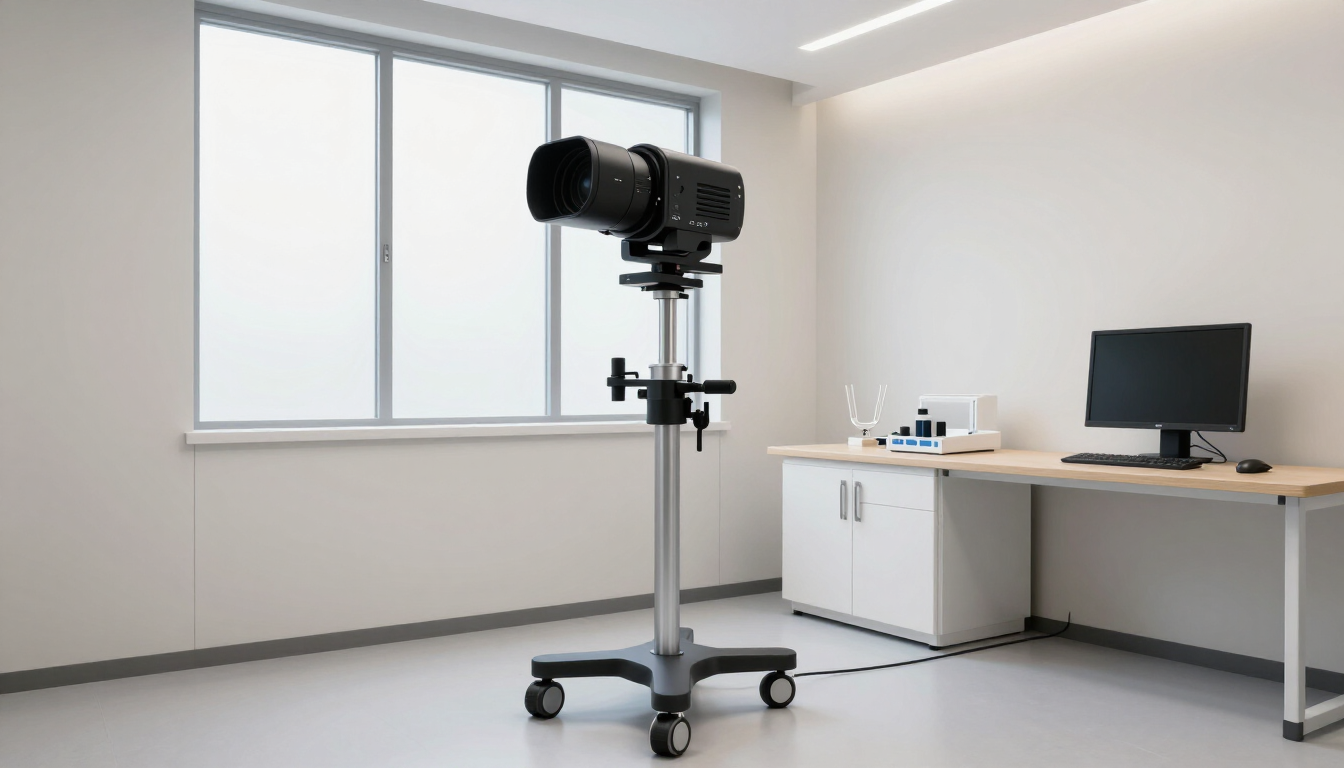
Professional medical thermography imaging setup with infrared camera and monitors.
June 22, 2026
Learn how CT Thermography uses a three-level interpretation process by board-certified thermologists and FDA 510(k)-cleared equipment for quality results.

Show More