5 Questions About Breast Thermography to Ask
Breast thermography is a comfortable, radiation-free imaging procedure that maps heat patterns at the body’s surface. If you are considering adding it to your breast health routine, ask about the technology, preparation, appointment experience, report delivery, and how results fit alongside care from your healthcare provider.
1. How does breast thermography work?
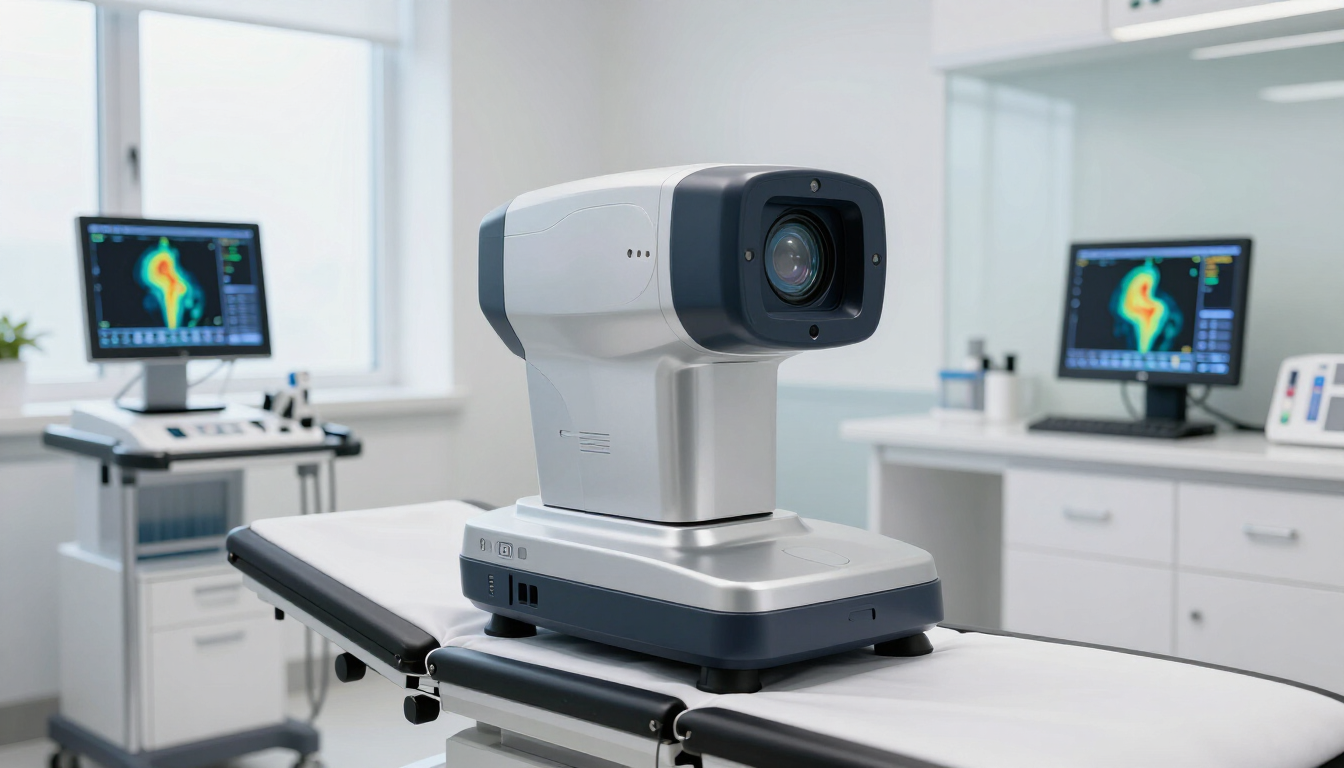
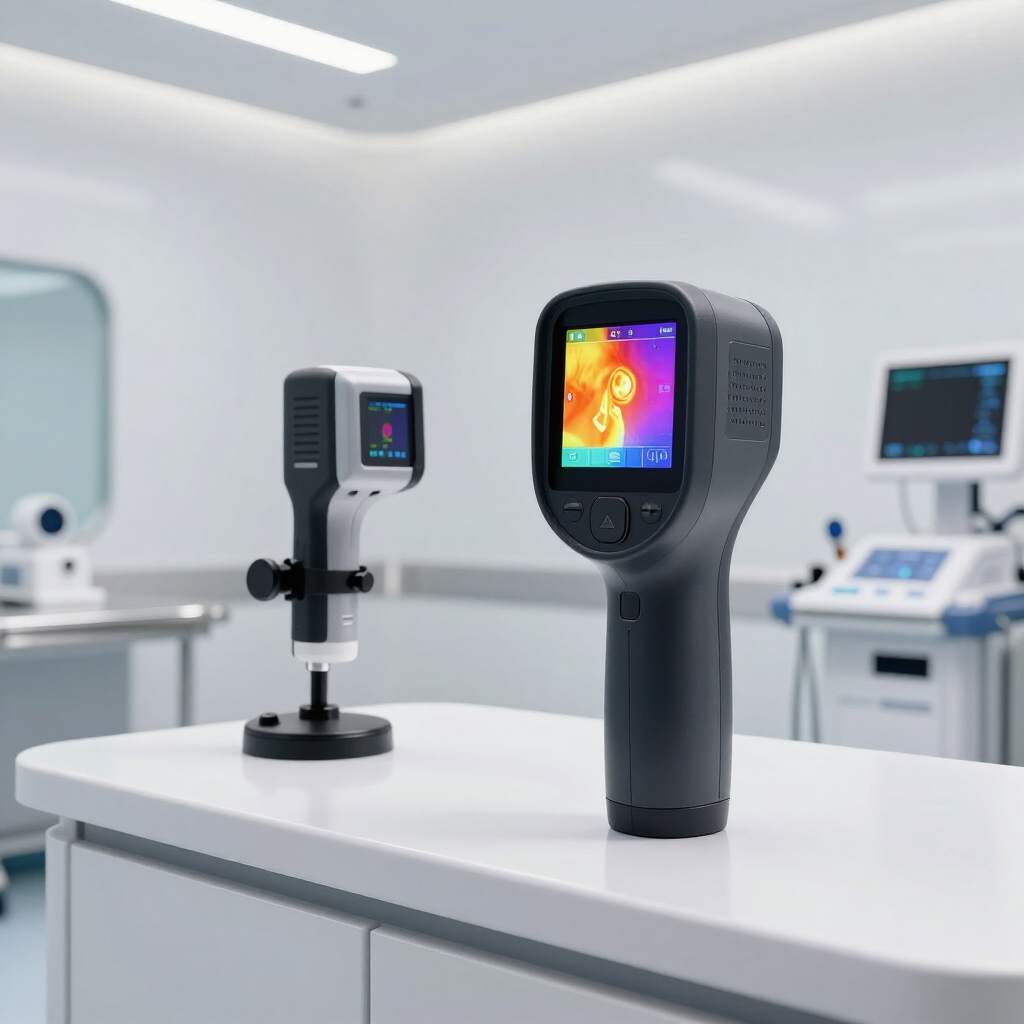
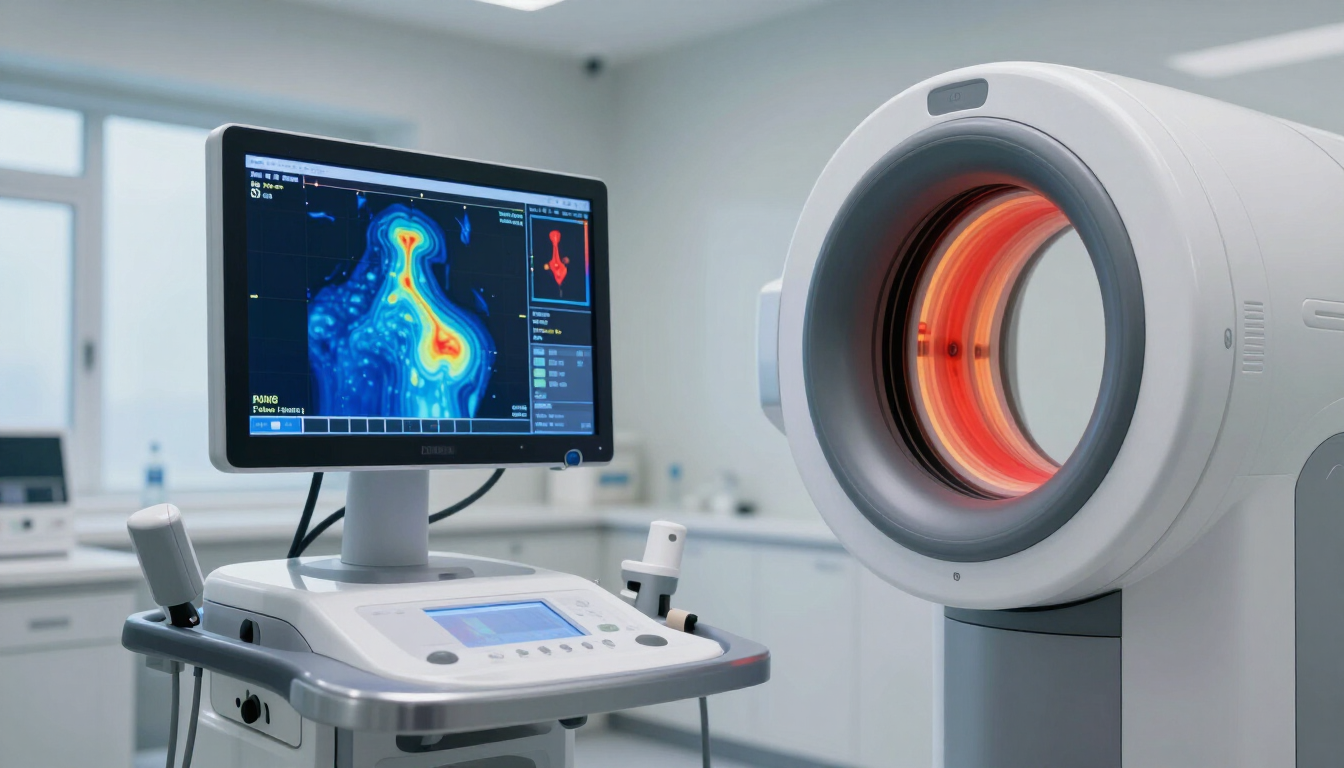
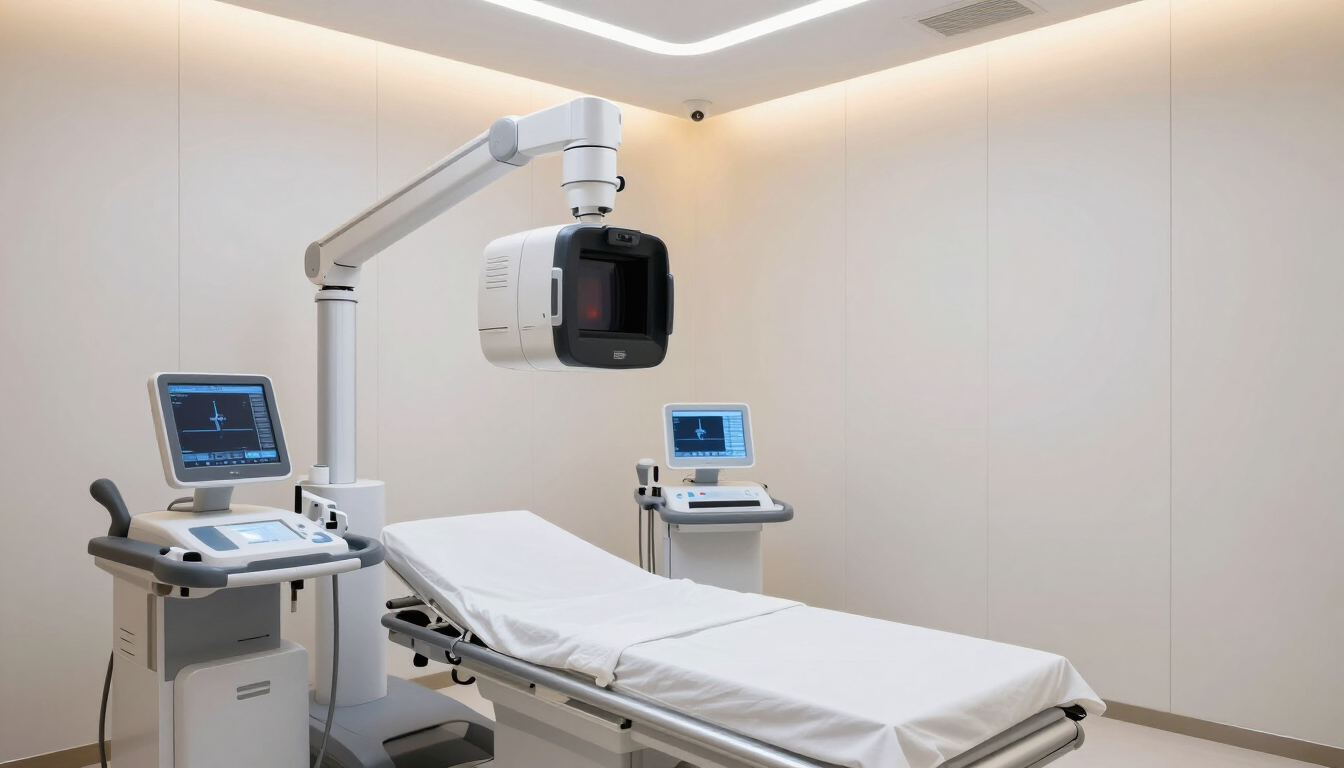
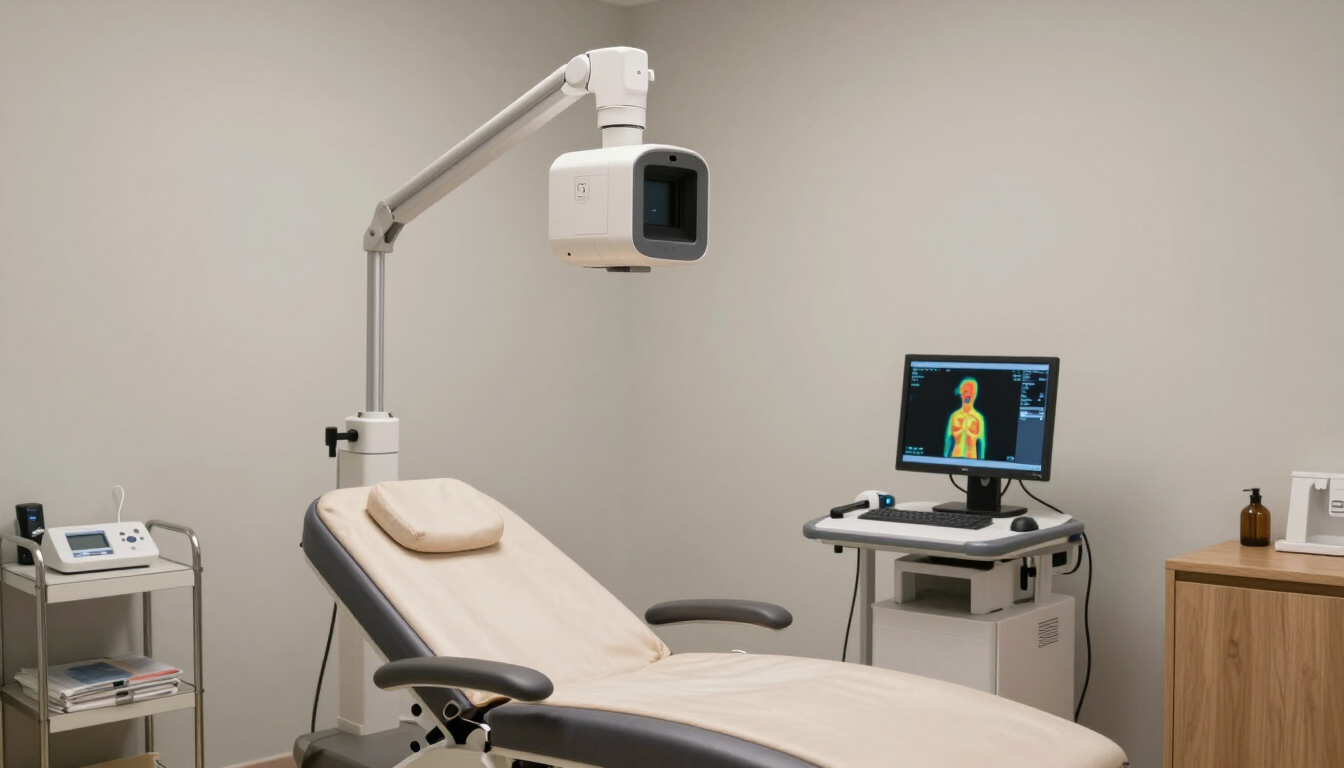
Breast thermography uses a specialized infrared camera to record temperature patterns across the skin. The procedure is contact-free and does not use radiation, compression, injections, or needles. A certified medical thermographer captures images under controlled conditions, and board-certified physicians interpret the completed study.
The process is designed to provide information about patterns of heat and circulation at the surface of the body. It is different from structural imaging, so it offers another type of information for a broader breast health conversation.
Ask your healthcare provider or thermography practice:
- What type of infrared equipment is used?
- Who performs the imaging and interprets the study?
- How are room temperature and other conditions controlled?
- What can the results reasonably tell me?
You can learn more about the technology on the Breast Thermography page.
2. What should I expect during the visit?
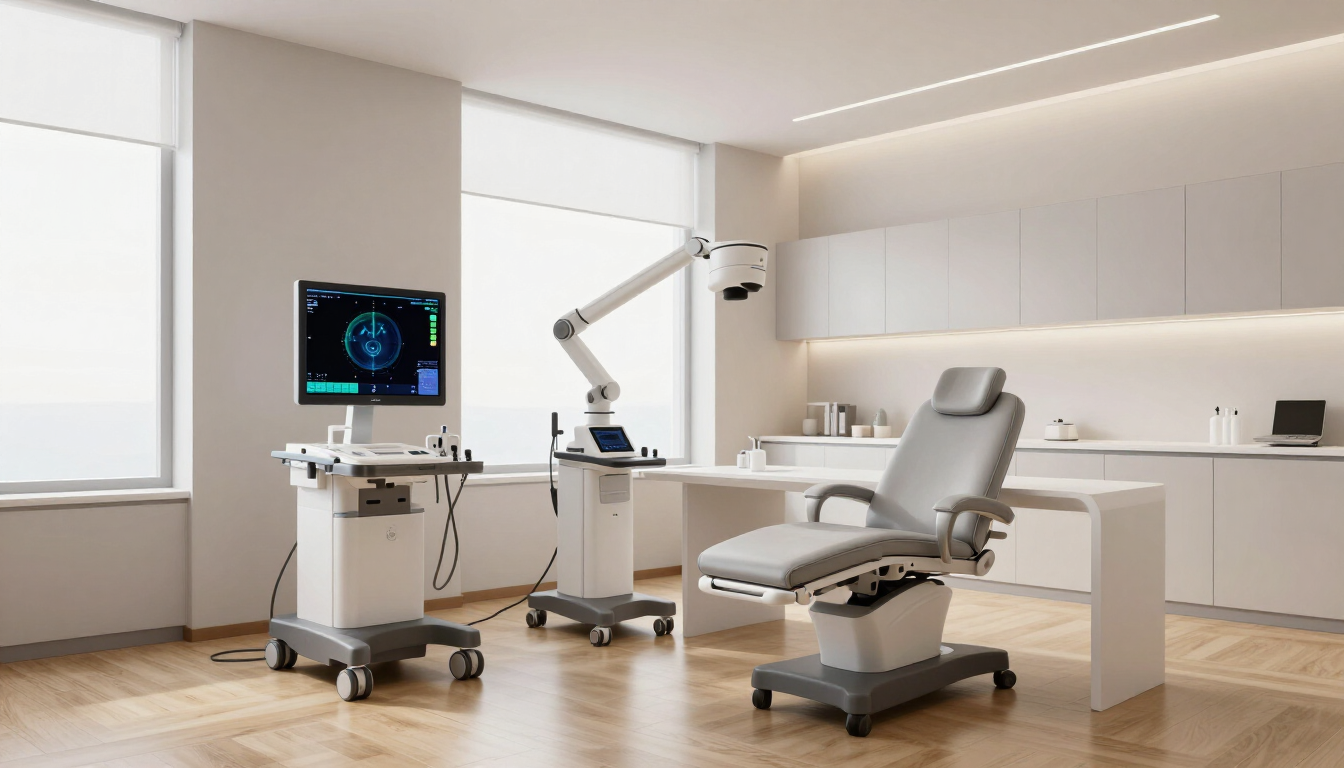
A breast thermography appointment is generally quiet, private, and non-invasive. After completing intake information, you will typically have time to acclimate to the room’s temperature. The provider will explain positioning and imaging before taking a series of thermal images.
The appointment does not require physical contact with the imaging device. Your provider may ask you to follow preparation instructions before arriving, such as avoiding certain activities or products that could temporarily affect skin temperature. Follow the practice’s specific guidance rather than assuming every location uses identical instructions.
Ask these practical questions before scheduling:
- How long will the full appointment take?
- What clothing should I wear?
- Which activities, products, or treatments should I avoid beforehand?
- Can I ask questions during the imaging session?
- What accommodations are available if I have mobility, sensory, or privacy concerns?
The Pre-Screening Protocol provides additional preparation guidance, while The Process outlines what to expect from beginning to end.
3. How will my report be shared with me?
Before your visit, ask how and when you will receive your report. Practices may provide results through a secure online portal, email, a phone discussion, or another protected method. Clarify whether a professional will review the findings with you and whom you may contact afterward.
A useful report conversation should explain the documented thermal patterns in clear language, identify any recommended follow-up, and distinguish observations from medical advice. Bring a list of current providers and relevant questions so you can discuss the report thoughtfully with your established care team.
Confirm the following:
- Expected report completion timeframe
- Secure delivery method
- Whether a consultation is included
- How to request a copy for your healthcare provider
- Whom to contact if you need clarification
The Understanding Your Report page can help you prepare for that conversation.
4. How does breast thermography complement my current care?
Breast thermography is best considered an adjunctive service within a broader breast health routine. It provides thermal information, while your healthcare provider considers your history, symptoms, physical examination, family background, and other appropriate evaluations.
Ask how the thermography report can be shared with your primary care clinician, women’s health provider, or other trusted professional. Coordination helps ensure that each piece of information is understood in context. You should also ask whether your provider recommends any additional or routine care based on your individual needs.
Helpful questions include:
- How should I share this report with my healthcare provider?
- What information should I bring to my next appointment?
- How does this service fit into my existing wellness plan?
- What follow-up conversations might be appropriate?
Thermography should support informed communication, not create confusion or delay care recommended by a qualified healthcare professional. Explore Thermography for a broader overview of the service.
5. Is breast thermography appropriate for my personal routine?
The right choice depends on your goals, health history, current care, comfort level, and expectations. A qualified thermography practice should explain the service clearly and encourage you to involve your healthcare provider in decisions about your overall breast health.
Before booking, consider:
- Why you want to add this service
- Whether you understand what thermal imaging can and cannot provide
- How the appointment fits your schedule
- Whether you have questions about preparation or privacy
- How you will incorporate the report into ongoing care conversations
A consultation can be a useful first step. You may also review FAQs , read Reviews , or contact CT Thermography through the Appointments page to discuss logistics.
What makes a provider consultation helpful?
A supportive consultation gives you time to ask questions without pressure. Look for clear explanations, professional credentials, transparent preparation instructions, secure report handling, and a willingness to coordinate with your existing healthcare providers.
You can bring this short checklist to an appointment:
- What is the purpose of this study?
- How should I prepare?
- What will happen during the visit?
- When and how will I receive the report?
- How should I discuss the report with my healthcare provider?
If you have a specific concern, share it with your healthcare provider directly. A thermography professional can explain the imaging process and help you understand the report format, while your medical provider remains the appropriate partner for personal healthcare decisions.
A calm next step
Adding breast thermography to your breast health routine starts with understanding the process and asking practical questions. Learn how the imaging works, prepare for a comfortable visit, confirm how reports are delivered, and discuss how the information can complement your current care. Choose a qualified provider who explains expectations clearly and supports communication with your healthcare team. Review the Breast Thermography information, note your questions, and decide whether a consultation fits your personal wellness goals.
Thermography is an adjunctive imaging procedure. It does not diagnose disease and should not replace care or evaluations recommended by your healthcare provider.