5 Ways a 6-Month Comparison Scan Secures Your Health Baseline
A six-month comparison scan is a follow-up thermal imaging study used to establish a stable physiological baseline. By comparing these results to your initial spring screening, board-certified thermologists can confirm that your unique thermal patterns are consistent, which is essential for accurate, long-term health monitoring and proactive wellness.
Why is the six-month comparison scan so important?
If you visited us for your initial screening this past spring, you likely remember our discussion regarding the "baseline." In the world of digital infrared thermal imaging, the first session is only the first half of the story. While that first set of images provides a wealth of information about your current thermal activity, it cannot yet tell us what is "normal" for you. Everyone has a unique thermal signature—much like a fingerprint—that remains relatively constant over time unless there is a change in physiological status.
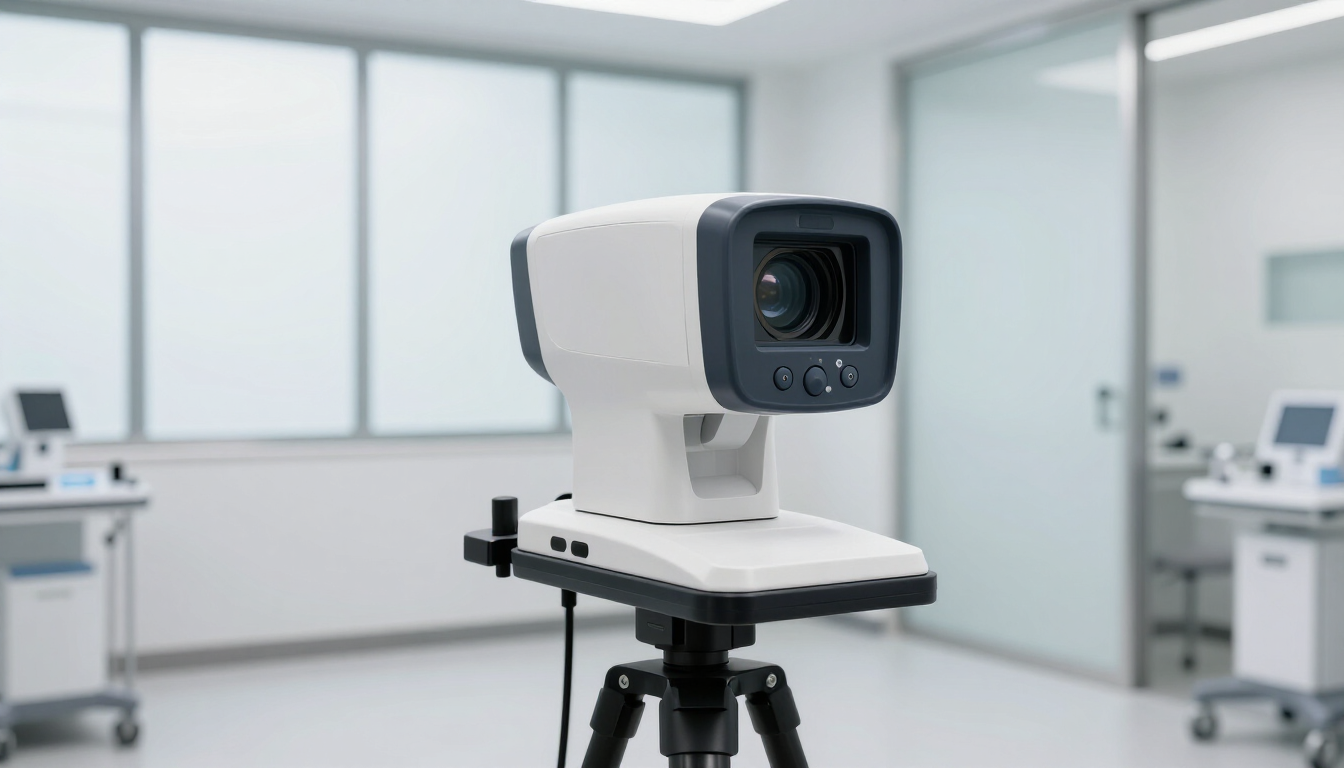
Scheduling your six-month comparison scan this August is the vital second step in establishing this baseline. During this follow-up, we capture a new set of images under the same controlled conditions. Thermologists then compare the new images to the ones from your spring session. If the thermal patterns remain unchanged, we have successfully established your stable baseline. This baseline then serves as the gold standard for all your future annual screenings, allowing for much more nuanced and accurate assessments in the years to come.
Without this six-month follow-up, it is difficult to determine if a specific heat pattern is a permanent, benign characteristic of your body or a dynamic area that warrants closer observation. By returning this August, you are providing the necessary data to confirm that your thermal patterns are stable and representative of your unique physiology.
Establishing Your Unique Thermal Signature
Human physiology is incredibly complex, and our skin temperature is a reflection of the underlying vascular, muscular, and nervous system activity. Because no two people have the exact same vascular layout or metabolic rate, no two people have the same thermal map. Some individuals naturally run "warmer" in certain areas due to previous injuries, surgical scars, or simply their unique anatomy.
This is why we emphasize that thermography is a study of patterns and changes over time, rather than a single point-in-time test. When you return for your comparison scan, we are looking for symmetry and stability. The Process of establishing this signature requires patience, but it pays off by giving you a clear picture of your health. Once your baseline is set, even subtle shifts in thermal activity can be identified in future years because we know exactly what your "normal" looks like. This proactive approach allows you to take control of your wellness with a deeper level of insight.
How do thermologists evaluate thermal pattern stability?
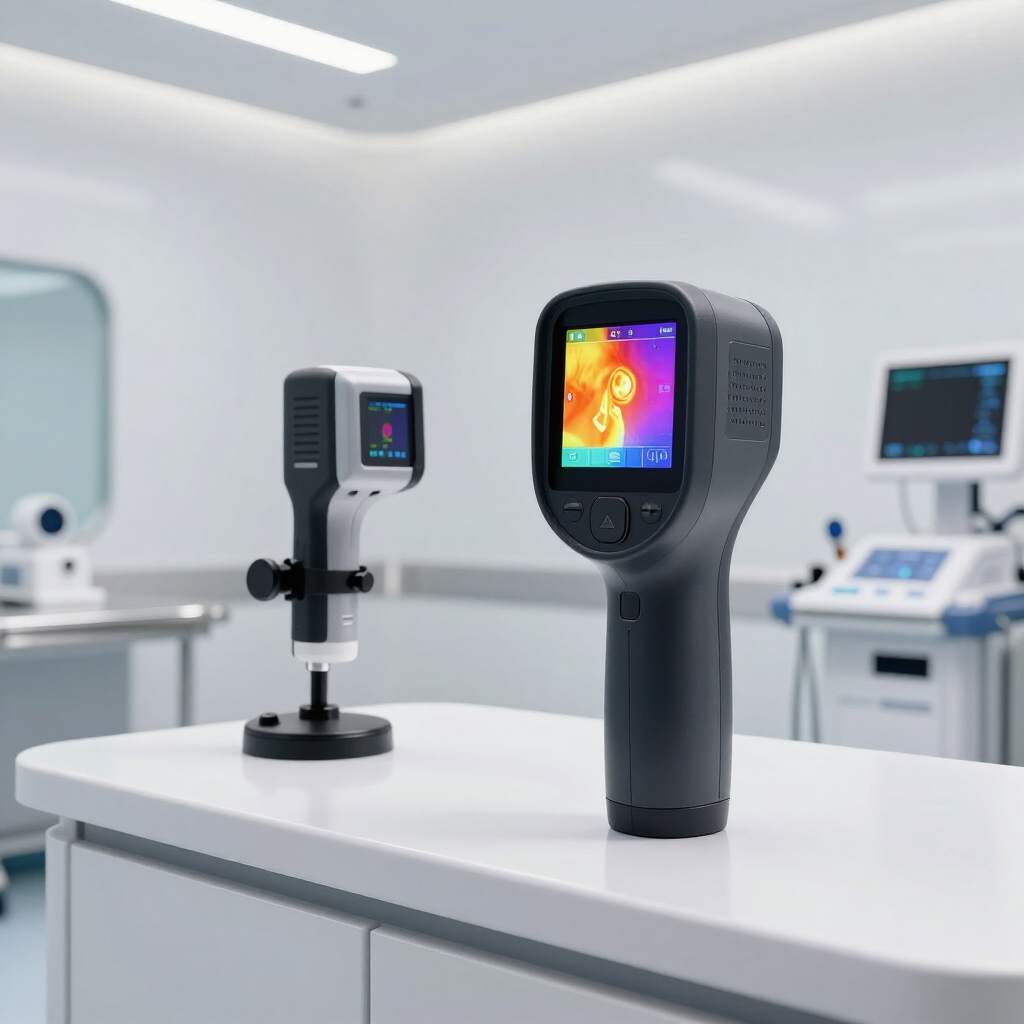
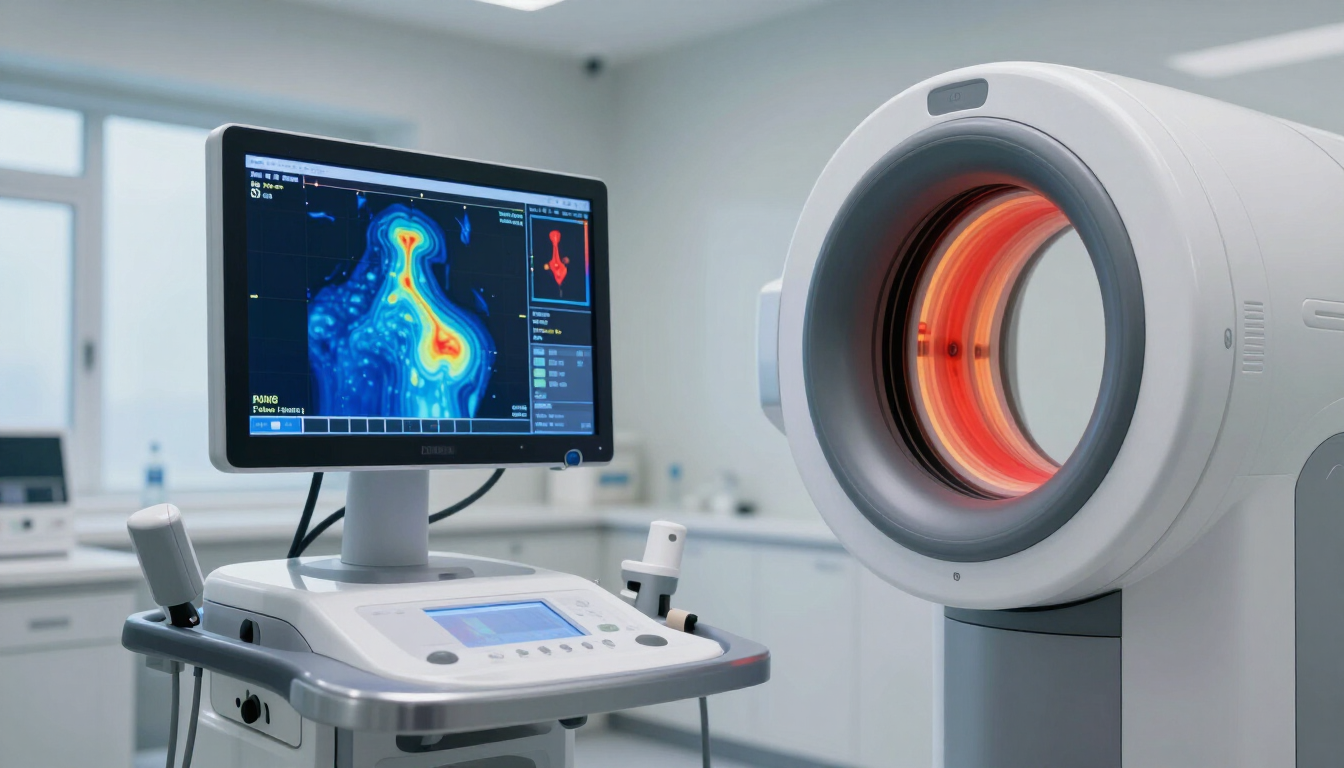
When your images are sent to our team of board-certified physicians, they use sophisticated software to perform a side-by-side analysis. This isn't just a visual check; it involves looking at the quantitative temperature data across various regions of interest. They look for what we call "thermal stability."
Stability is confirmed when the temperature gradients and distribution of heat remain consistent between the spring and August sessions. The thermologists are specifically looking at:
- Symmetry : Comparing the left side of the body to the right side to ensure balance.
- Delta-T Values : Calculating the temperature differences between corresponding points on the body.
- Vascular Patterns : Observing the shape and distribution of heat along blood vessel pathways.
- Regional Trends : Assessing how specific areas, such as the head, neck, or breast tissue, maintain their thermal characteristics.
If the patterns are stable, the thermologist will note that a baseline has been established. If there are slight variations, they may provide recommendations for lifestyle adjustments or suggest a specific timeframe for your next follow-up. This expert interpretation is what makes Understanding Your Report so valuable for our clients.
The Role of Comparison in Proactive Wellness
Choosing thermography is a commitment to proactive health. It is an investment in understanding your body’s functional state before concerns become more significant. The six-month comparison scan is the bridge between a one-time test and a long-term wellness strategy.
In our New England clinics, we see many clients who appreciate the non-invasive, radiation-free nature of our screenings. By completing the baseline process, you are opting for a path of regular monitoring that respects your body’s integrity. This August visit is particularly well-timed; as the seasons shift, it provides a mid-year check-in that keeps your health goals at the forefront of your mind. By focusing on stability and physiological trends, we empower you with information that can be shared with your primary care provider or other health professionals to build a comprehensive wellness plan.
What should I expect during my follow-up visit?
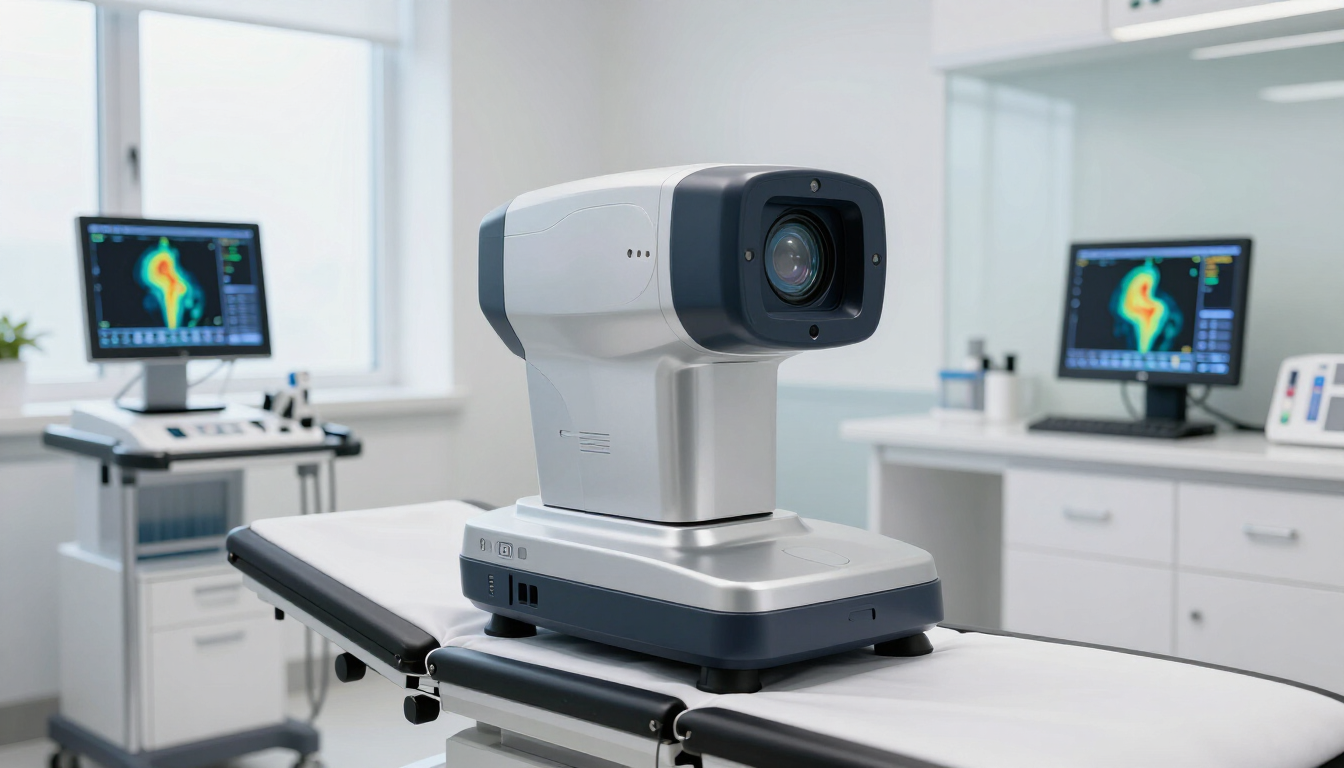
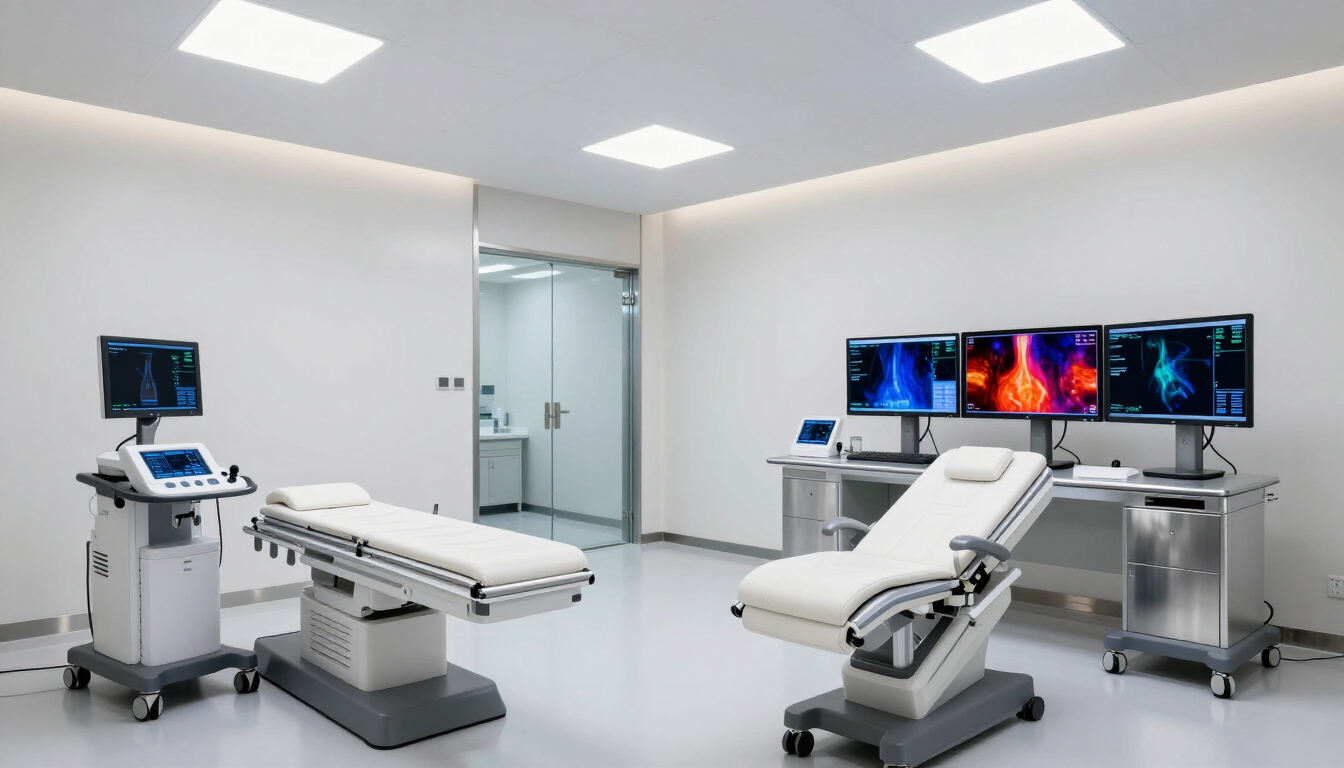
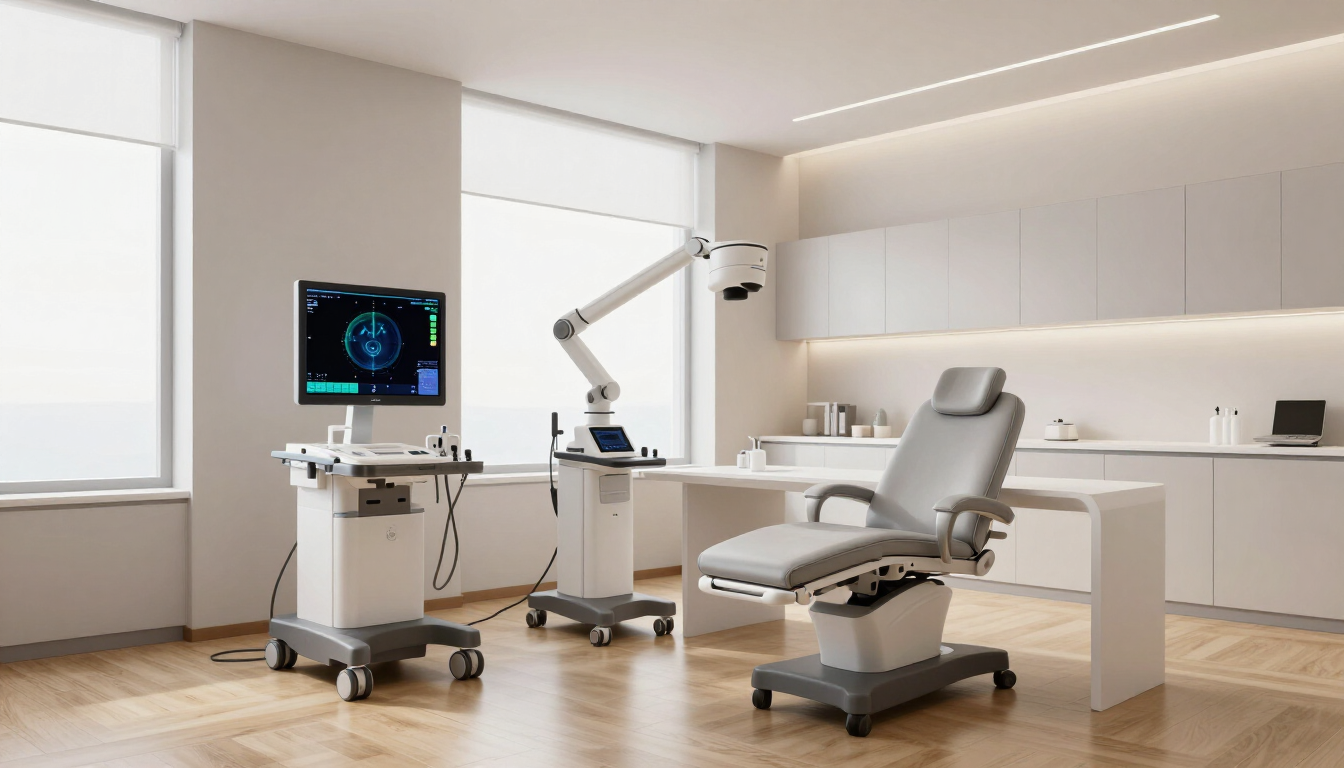
Your six-month comparison scan will feel very similar to your initial appointment, which helps ensure the data is consistent. You will be welcomed into our temperature-controlled imaging room, designed specifically to keep your body at a neutral state. This environment is crucial for capturing accurate infrared data.
The session is quiet, private, and entirely hands-off. You will be asked to follow the same positioning prompts as before while our certified medical thermographer captures the images. Because we already have your history on file, the process is often even smoother and more comfortable the second time around. We prioritize your comfort and ensure that the space remains a calm sanctuary where you can focus on your health.
Preparing for Your Summer Thermography Session
Since your appointment is in August, it is important to remember our Pre-Screening Protocol . Summer heat in Connecticut and the surrounding New England area can affect your body's surface temperature if you aren't careful. To get the most accurate results for your comparison study, please keep the following in mind:
- Avoid Sun Exposure : Ensure you do not have a sunburn or significant tan in the areas being imaged, as this alters skin temperature.
- Acclimatization : Arrive a few minutes early to allow your body to adjust to the cool, climate-controlled environment of our office.
- Hydration : Stay well-hydrated in the days leading up to your scan, but avoid very hot or ice-cold drinks immediately before your appointment.
- Activities : Refrain from heavy exercise, saunas, or massages for at least 24 hours prior to your session.
- Skin Care : Do not apply lotions, deodorants, or powders to the skin on the day of your scan.
Following these steps ensures that the thermal patterns we capture in August are a true reflection of your internal physiology, rather than external environmental factors.
How do I schedule my August appointment?
If you are due for your six-month follow-up, we invite you to book your session today. We offer various screening options, including Breast Thermography , Full Body Thermography , and Upper Body Thermography .
Scheduling is simple and can be done entirely online. Visit our Appointments page to select a time that works best for your summer schedule. Our clinics are designed to be a peaceful space where you can gain valuable insight into your health without stress or discomfort.
Summary of Your Comparison Scan Benefits
- Confirms Baseline : Establishes your unique "thermal fingerprint" for all future comparisons.
- Verifies Stability : Allows thermologists to confirm that patterns are consistent and normal for you.
- Enhances Accuracy : Increases the clinical value of every subsequent annual screening.
- Proactive Insight : Provides a non-invasive look at your physiological trends mid-year.
- Peace of Mind : Offers a factual, physician-interpreted update on your wellness status.
Next Steps : Check your calendar for your six-month mark from your spring scan and book your appointment here .
Disclaimer: Thermography is an adjunctive imaging procedure and is not intended to replace any other diagnostic or screening tests. It is used to provide additional information about physiological patterns and should be used in conjunction with other clinical findings.