
How to Prepare for a Thermography Appointment
A thermography appointment uses infrared imaging to capture heat patterns at the skin’s surface. For the clearest study, keep your body temperature as stable as possible before arriving. In fall, pause direct heat, hot beverages, hot showers, heating pads, and lotions according to your clinic’s preparation guidelines.
Why does heat matter during a thermography appointment?
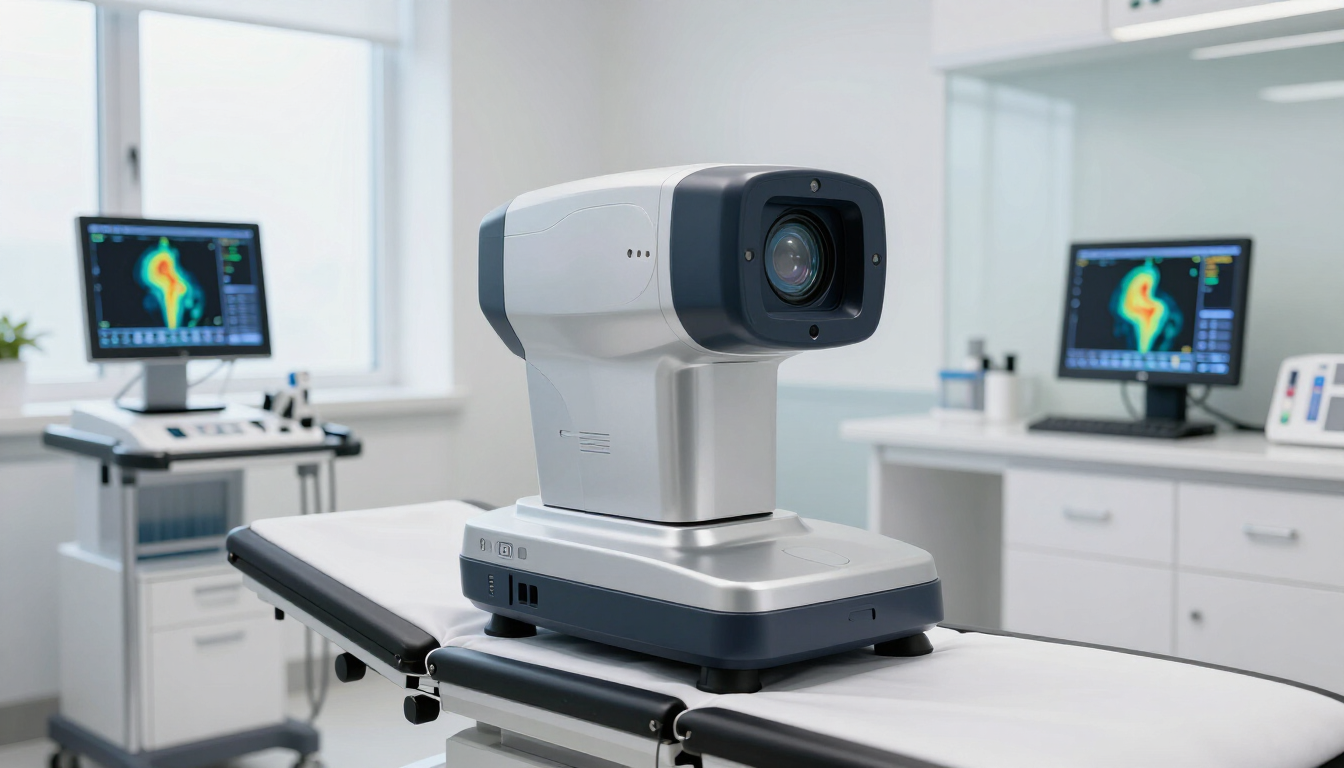
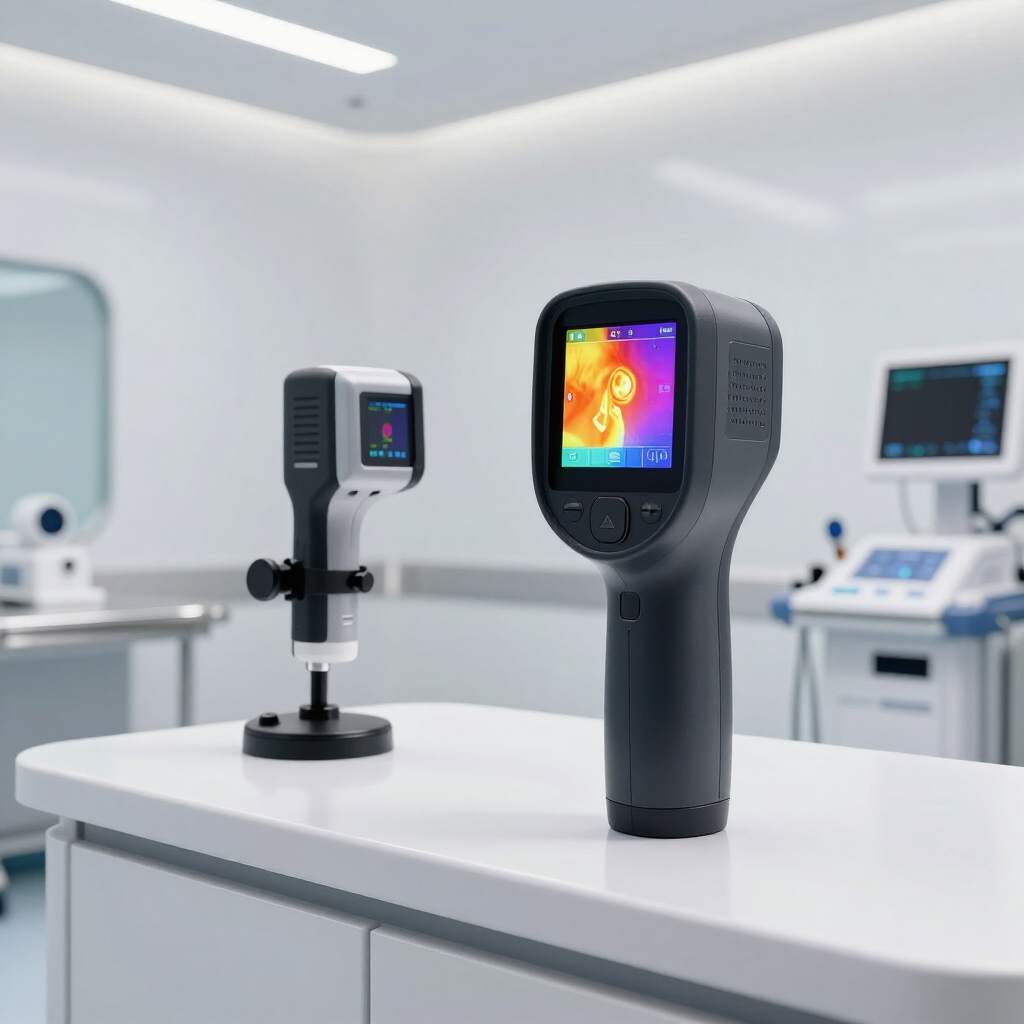
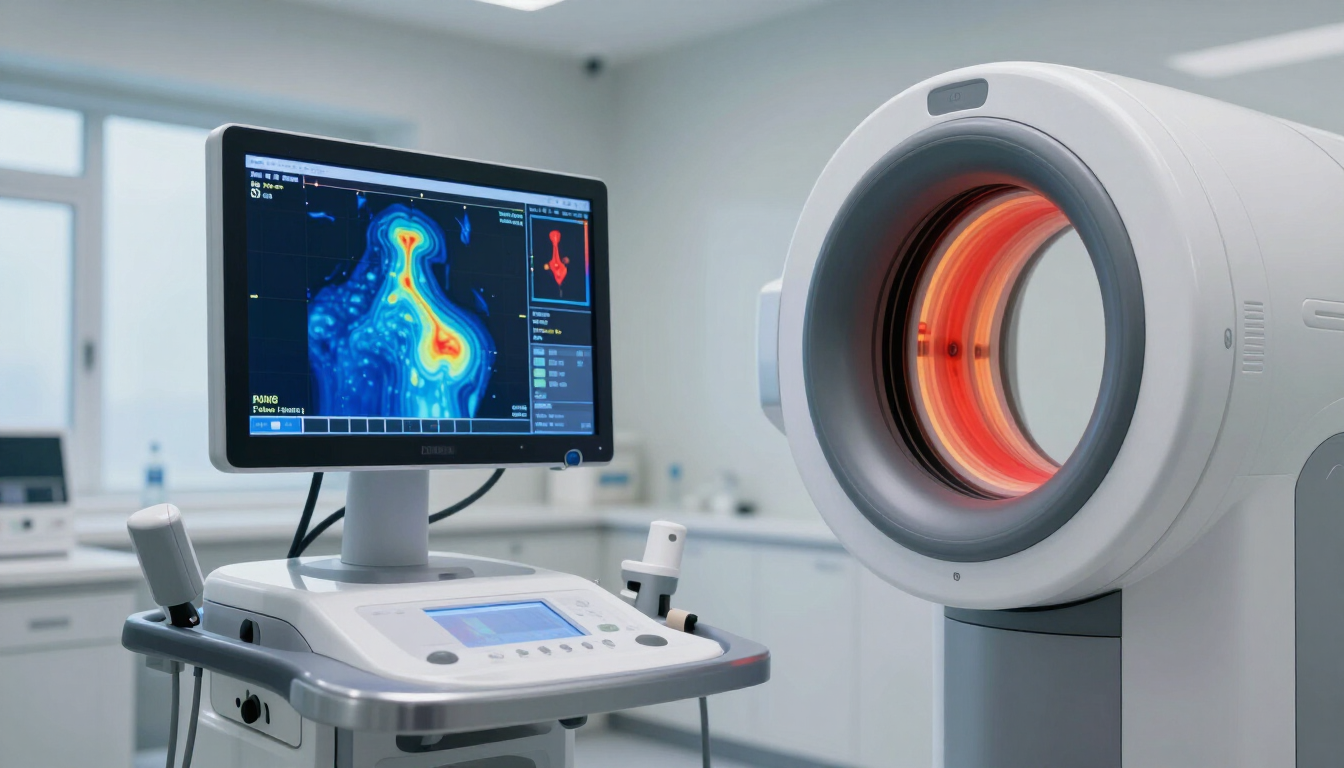
Thermal imaging records infrared energy emitted from the body’s surface. The camera does not use radiation or touch the body. Instead, it creates a visual map of relative skin-surface temperatures that can be reviewed as part of your clinical appointment.
Recent exposure to external heat can temporarily change those patterns. A heated car seat, hot shower, warm drink, or heating pad may create localized warmth that does not reflect your usual baseline. Cold exposure can also affect circulation and surface temperature.
The goal of preparation is simple: arrive comfortable, calm, and thermally settled. These guidelines help create more consistent imaging conditions and support a careful review by the interpreting physician. For the clinic’s complete instructions, visit the Pre-Screening Protocol .
Fall habits to pause before your appointment
Weather changes make preparation especially important. A crisp morning, a warm vehicle, and a quick cup of coffee can all affect how your skin appears to an infrared camera. Plan a little extra time so you are not rushing between temperature extremes.
1. Heated car seats
Turn off heated seats before you begin driving to your appointment. Direct warmth against your back, hips, or thighs may influence the surface temperature in those areas.
If the morning is cold, use the vehicle’s general climate system moderately rather than relying on intense, localized heat. When possible, arrive early enough to sit quietly and allow your body to adjust.
2. Hot showers or baths
Avoid hot showers, baths, saunas, and similar heat exposure before imaging. Choose a comfortably warm or lukewarm shower instead, and give yourself enough time afterward to return to a normal resting state.
Do not schedule strenuous activity immediately before the appointment. Exercise can also raise body temperature and alter circulation temporarily. Follow the specific timing instructions provided by your thermography provider.
3. Hot drinks
Pause hot coffee, tea, cocoa, and other steaming beverages before your visit. A warm drink can affect temperature around the face, mouth, neck, and upper body.
If you need a beverage, ask the clinic whether a room-temperature option is appropriate. Avoid making last-minute changes without checking the instructions given for your appointment.
What should you do about heating pads?
Do not use heating pads, heated blankets, hot packs, or similar products before your thermography appointment unless your provider has specifically instructed you otherwise. These products apply concentrated heat to one area and may leave a temporary thermal imprint.
If you use a heating pad regularly for comfort, plan ahead and ask the clinic how long to pause it. Bring that question to the team rather than guessing. The purpose is not to make you uncomfortable; it is to help the imaging reflect your usual state as closely as possible.
Can you apply lotion before thermal imaging?
Avoid lotions, creams, oils, powders, deodorant, or other products on the areas being imaged unless the clinic says they are acceptable. Products can change the skin’s surface and may interfere with consistent imaging.
Arrive with clean, dry skin. If you need to use a prescribed topical product, contact the clinic before your appointment for individualized guidance. Your provider can tell you whether to apply it after the study instead.
A simple cold-weather preparation checklist
Use this checklist the day before and morning of your visit:
- Review the clinic’s Pre-Screening Protocol and appointment instructions.
- Skip heated car seats, heating pads, hot tubs, saunas, and intense heat exposure beforehand.
- Choose a lukewarm shower and avoid strenuous exercise immediately before imaging.
- Pause hot drinks and arrive with clean, dry skin free of lotions on imaging areas.
- Wear comfortable, loose clothing and allow time to acclimate after arriving.
If you are unsure about clothing, medication, activity, or a specific preparation instruction, call the clinic before your appointment. The Appointments page can help you find the right next step.
What happens when you arrive?
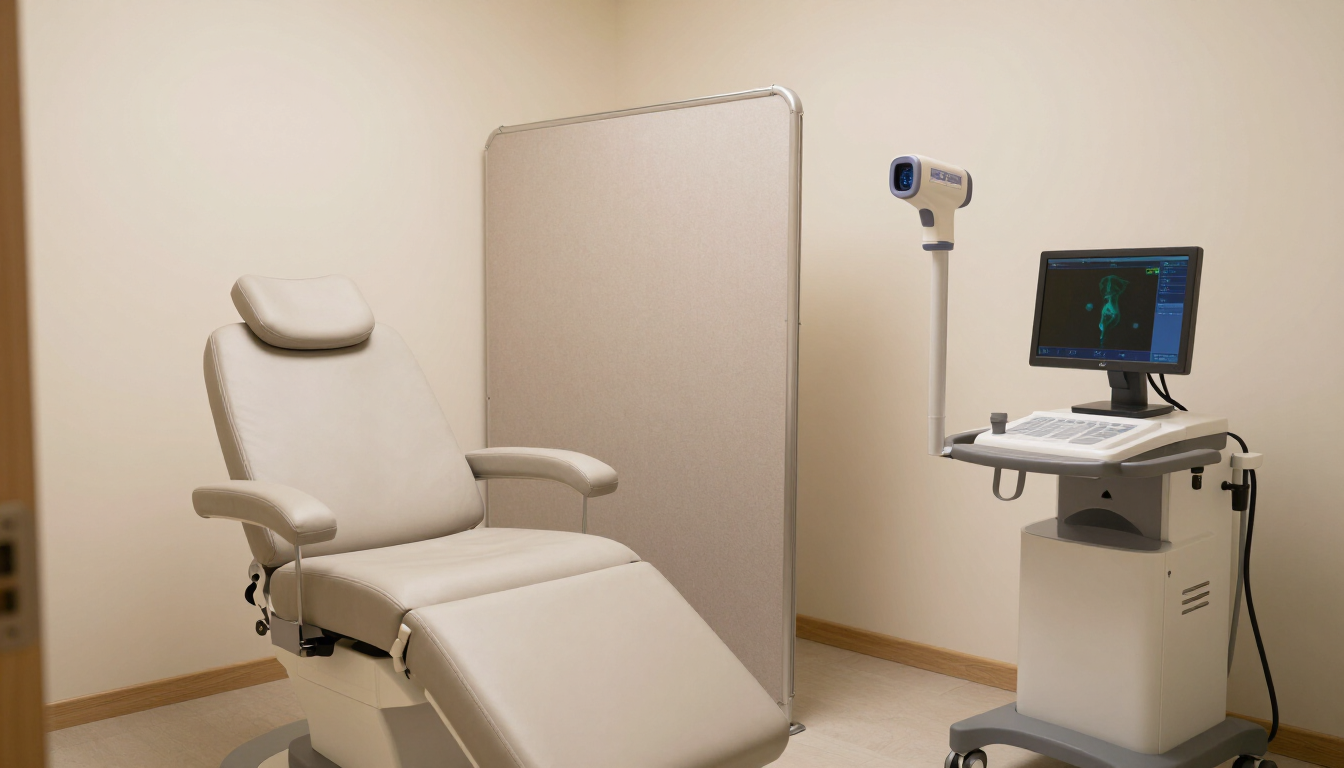
Your appointment begins with time to review information and prepare for imaging. You may be asked to remove clothing from the areas being studied so the camera can capture the skin’s surface without obstruction. The imaging itself is contact-free and does not require needles or exposure to radiation.
A short acclimation period may be part of the process, particularly when outdoor temperatures are significantly different from the indoor environment. During this time, remain relaxed and avoid covering or warming the areas being imaged unless staff instruct you to do so.
The process is designed to be calm and respectful. You can learn more about what to expect on The Process , or review common questions on the clinic’s FAQs .
What if you accidentally get too warm before the visit?
Do not panic or cancel automatically. Tell the thermographer what happened, including whether you used a heated seat, took a hot shower, drank a hot beverage, or applied a heating product. The team can explain whether additional acclimation time or rescheduling is appropriate.
Clear communication is more useful than trying to correct the situation yourself. Avoid applying cold packs or taking other steps to force your temperature back down unless a healthcare professional directs you to do so.
Your next step
A successful thermography appointment starts with stable conditions, not complicated preparation. In the fall, avoid direct heat, hot showers, hot drinks, heating pads, and lotions before imaging, and allow time to settle after traveling. Review the clinic’s instructions, contact the team with questions, and arrive comfortable with clean, dry skin. These practical steps help support consistent, high-quality images and a smoother visit. For additional guidance, explore Understanding Your Report after reviewing the preparation details.
Thermography is an adjunctive imaging procedure and does not diagnose disease. It should not replace evaluation, screening, or treatment recommended by your qualified healthcare professional.