5 Ways to Use Thermal Imaging in Functional Health

July 27, 2026

Share this article

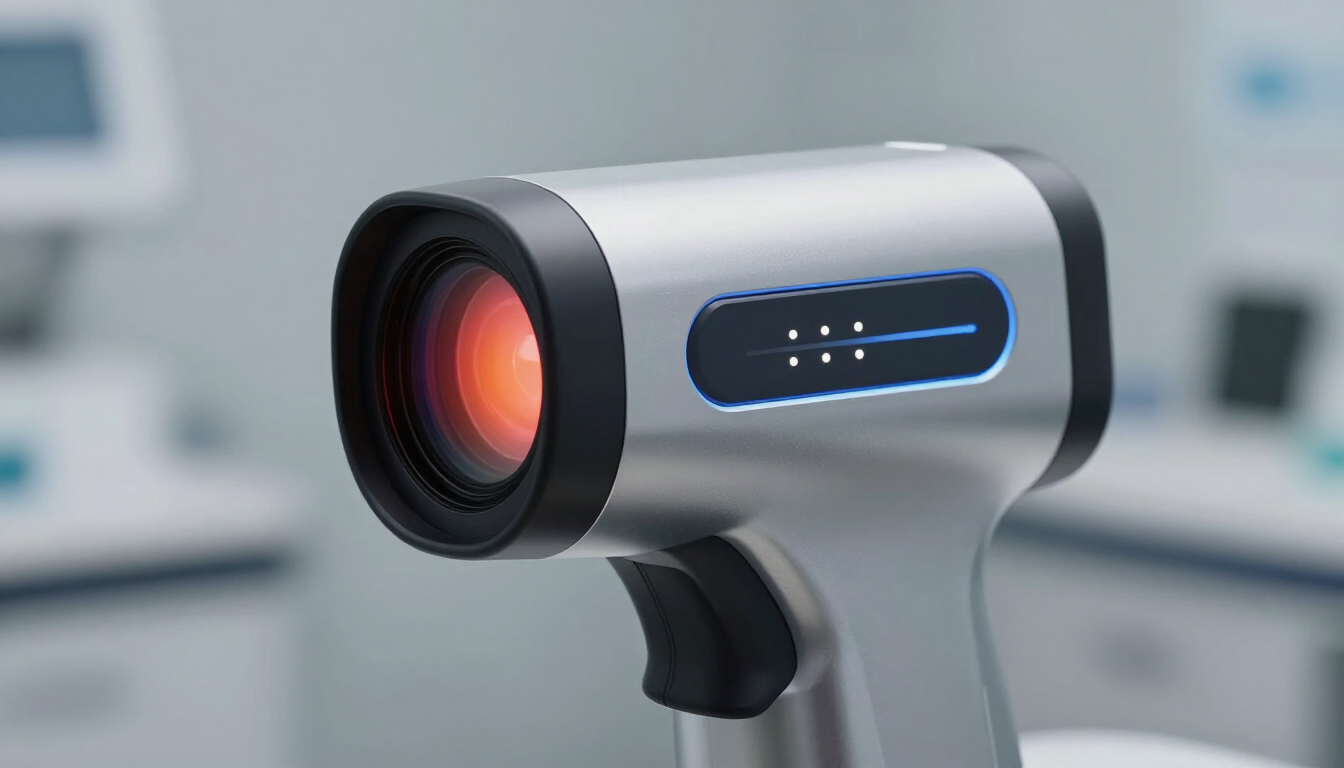
Adjunctive thermal imaging provides functional and integrative health practitioners with a non-invasive tool to map physiological heat patterns. Using FDA 510(k)-cleared equipment, it visualizes inflammation and vascular activity, offering a unique physiological perspective that complements anatomical testing and enhances patient-centered wellness protocols through professional, physician-interpreted digital infrared data.

How does thermal imaging support integrative patient care?

For practitioners specializing in functional medicine, the primary goal is often to identify the root cause of physiological imbalance rather than merely managing symptoms. Thermography serves as a unique window into the body’s sympathetic nervous system and metabolic processes. While traditional imaging focuses on structure—bones, organs, and masses—thermal imaging focuses on function. It tracks the infrared radiation (heat) emitting from the body’s surface, which is directly influenced by blood flow, inflammatory responses, and neurological activity.

In an integrative setting, this data acts as a valuable adjunct. When a patient presents with vague musculoskeletal discomfort or systemic concerns, a full body thermography scan can highlight areas of thermal asymmetry. These asymmetries often correlate with regions of increased metabolic activity or vascular congestion. By viewing these heat maps, practitioners can refine their clinical focus, directing further investigation or tailoring nutritional and lifestyle interventions to address the specific areas of physiological stress identified in the imaging.

Furthermore, thermal imaging provides a baseline for monitoring wellness progress over time. Because the procedure is non-invasive and radiation-free, it can be repeated safely to observe changes in thermal patterns. This objective visual data helps both the practitioner and the patient stay engaged with the healing protocol, providing a tangible metric for physiological shifts that may precede structural changes. Integrating this technology allows for a more comprehensive assessment of the patient’s health landscape, bridging the gap between subjective symptoms and objective clinical data.

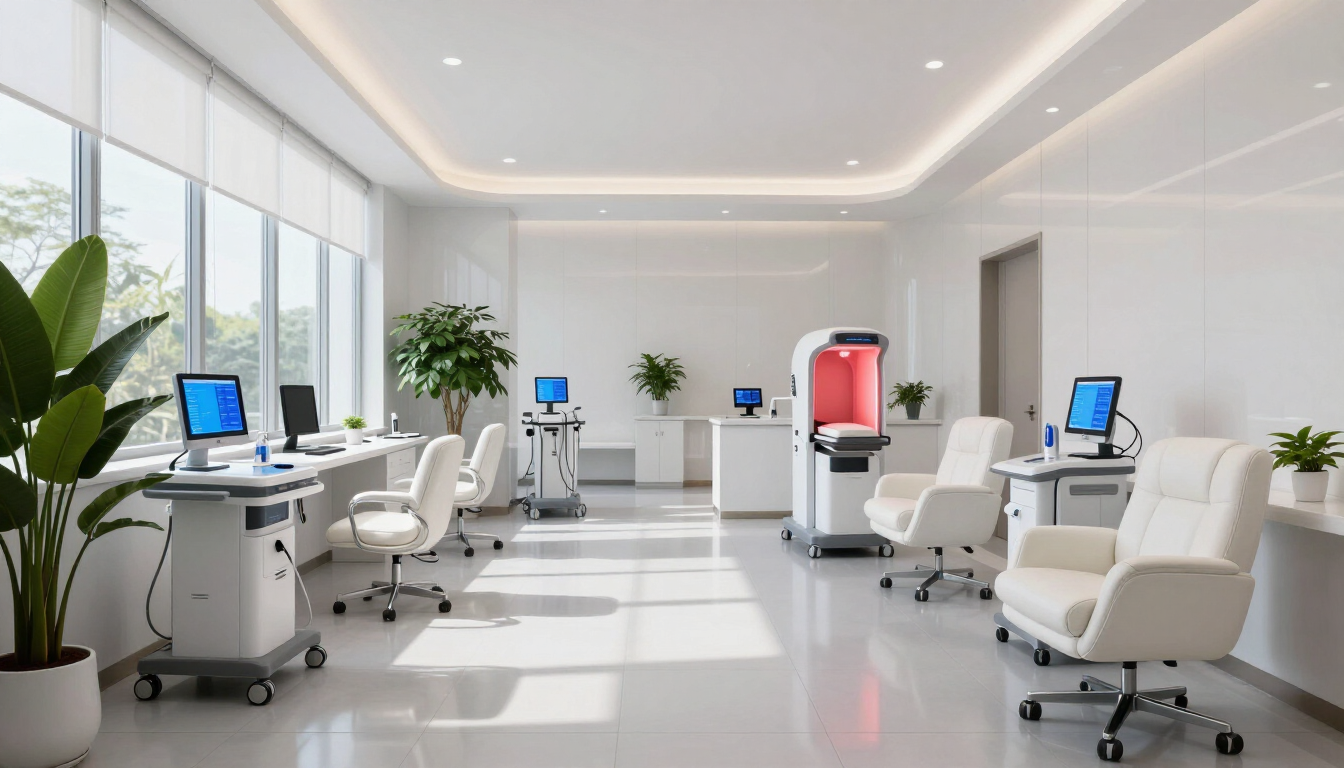
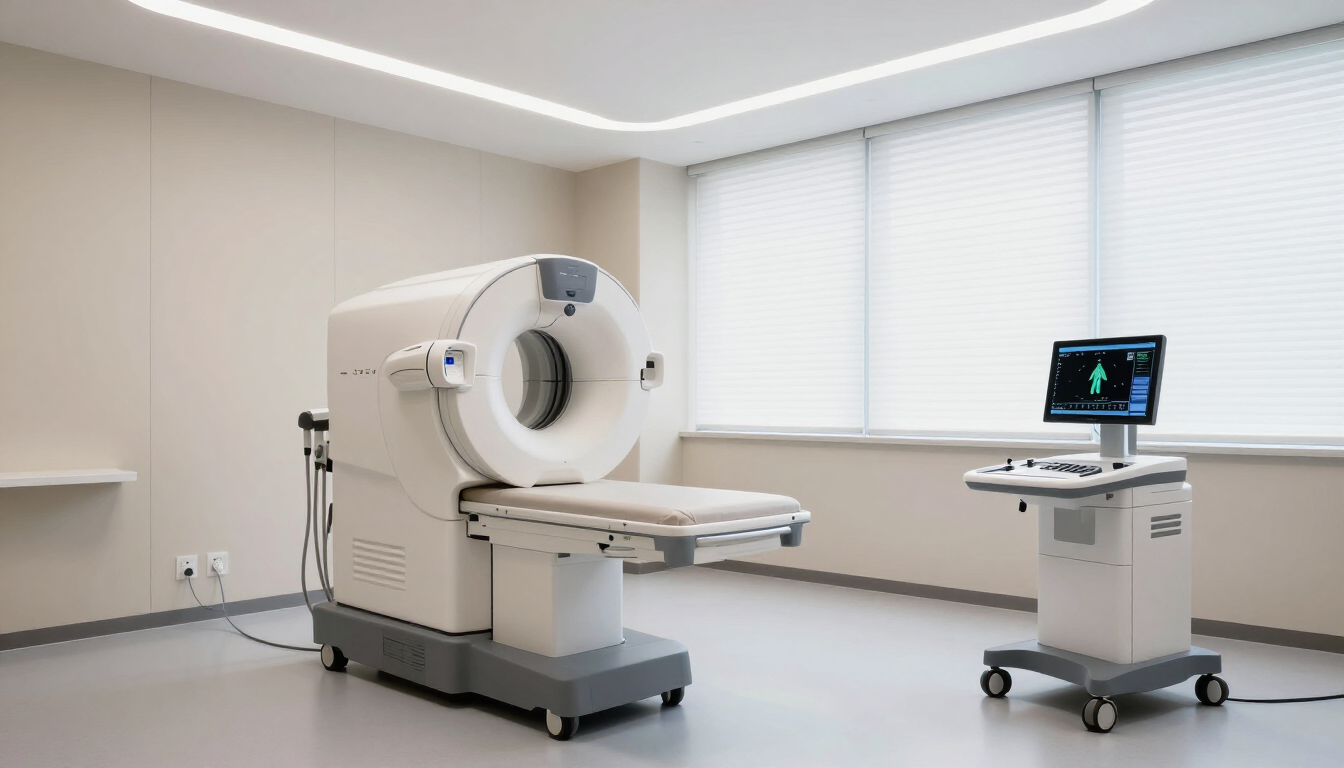
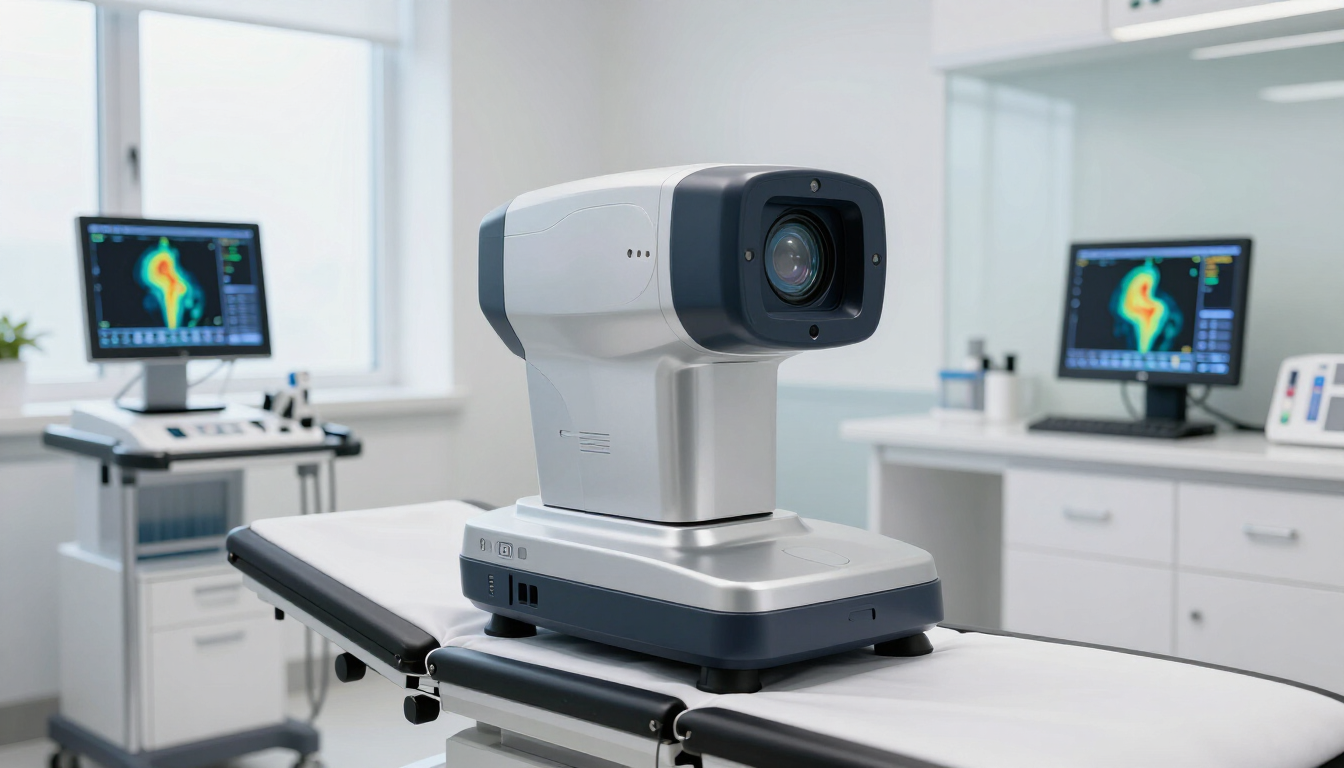
Modern Thermography Clinic Suite

Streamlining Access: The No-Referral Required Process

One of the most significant advantages for Connecticut practitioners is the ease with which patients can access these services. We operate on a no-referral-required basis, which simplifies the patient journey and reduces administrative burdens for functional health clinics. Patients can schedule their appointments directly, allowing them to take a proactive role in their health discovery without needing to navigate complex prior-authorization pathways.

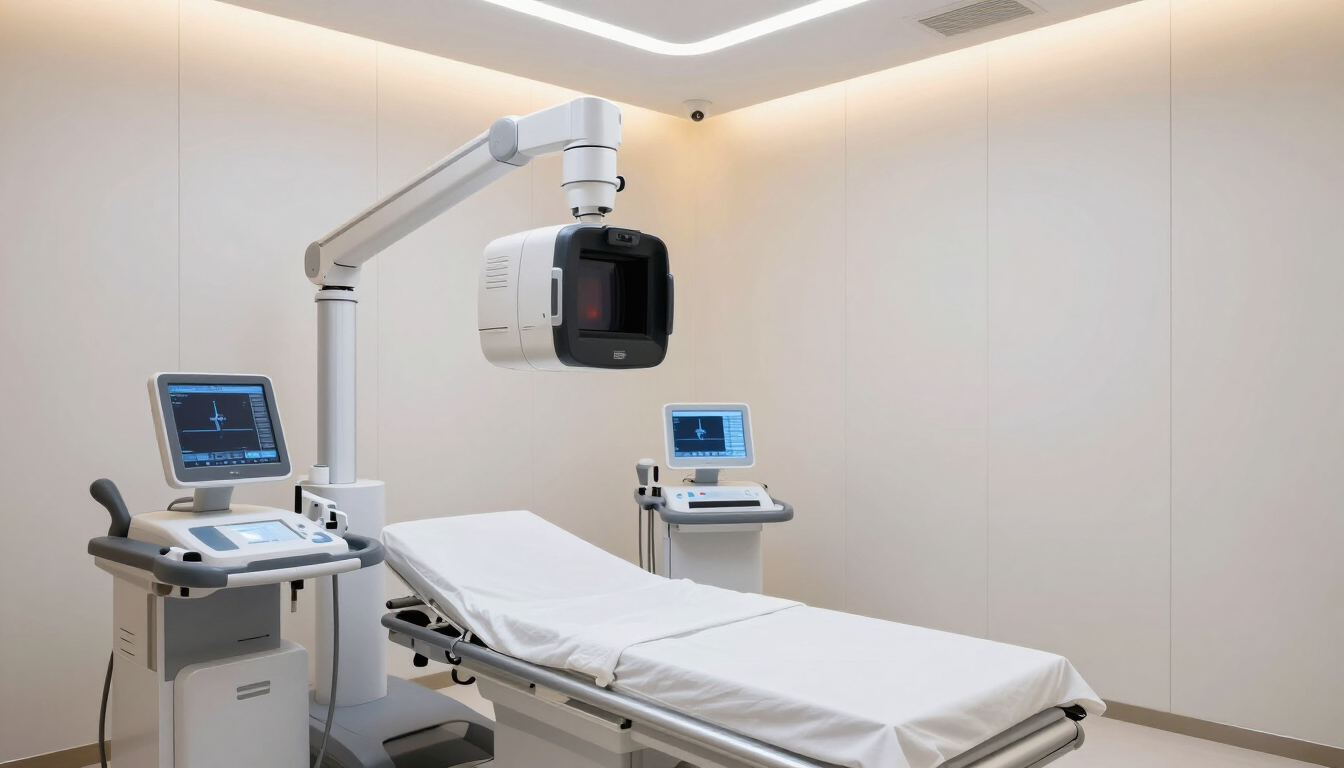
The Process at our facility is designed to be seamless and professional. Once a patient arrives, they are guided through a controlled environment where their body is allowed to acclimate to a specific room temperature. This acclimation period is crucial for ensuring that the infrared camera captures accurate baseline physiological data rather than environmental heat. During the imaging session, our focus is entirely on patient comfort and data integrity.

Practitioners can feel confident sending their clients to our suite because we prioritize the professional standards required for medical-grade imaging. By removing the barrier of a formal referral, we enable functional health providers to suggest thermal imaging as a complementary tool at any point in the patient’s care plan. Whether the client is beginning a new detox protocol or investigating persistent inflammation, the accessibility of our screenings ensures that the data is available exactly when it is needed most to inform clinical decisions.

Why is PACT certification important for medical thermographers?

Accuracy in medical thermography is not just about the camera; it is about the technician operating it. At CT Thermography, all imaging is performed by a PACT-certified thermographer (Professional Academy of Clinical Thermology). This certification ensures that the technician has undergone rigorous training in the physics of infrared imaging, patient positioning, and the strict protocols required to produce clinical-grade images.

Standardized imaging is essential for several reasons:

  • Ensures consistent patient positioning for accurate longitudinal comparison.
  • Guarantees strict adherence to environmental temperature and humidity controls.
  • Provides the interpreting physicians with high-quality, artifact-free data.
  • Standardizes the pre-screening protocol to eliminate external variables.
  • Maintains the professional integrity of the functional health assessment.

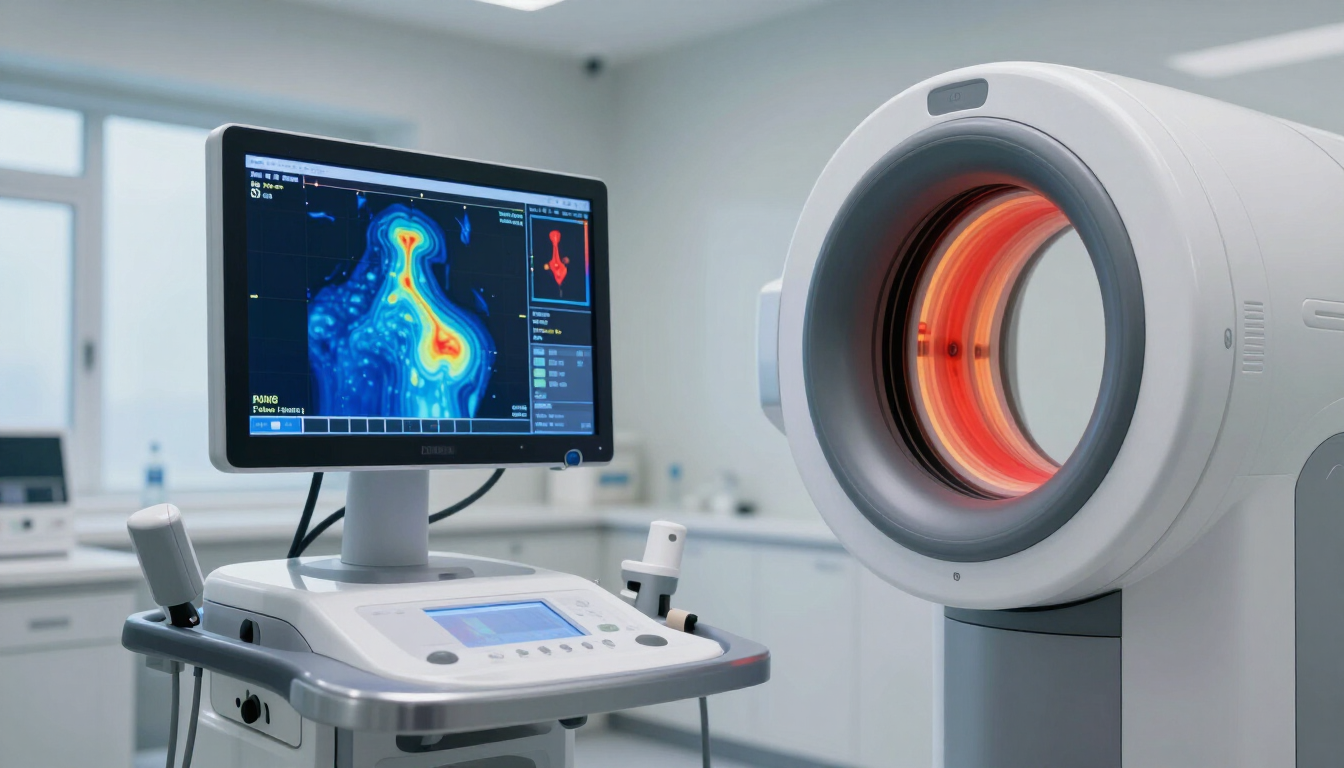
In addition to certified expertise, we utilize FDA 510(k)-cleared equipment. This distinction is vital in a professional health environment. FDA-cleared thermal cameras are specifically calibrated for medical use, offering the sensitivity and resolution necessary to distinguish subtle thermal variations. When functional practitioners review our reports, they are looking at data generated by gold-standard technology, ensuring that the findings are a reliable reflection of the patient's physiology. This combination of PACT-certified skill and high-end technology provides the clinical foundation necessary for trustworthy integrative care.

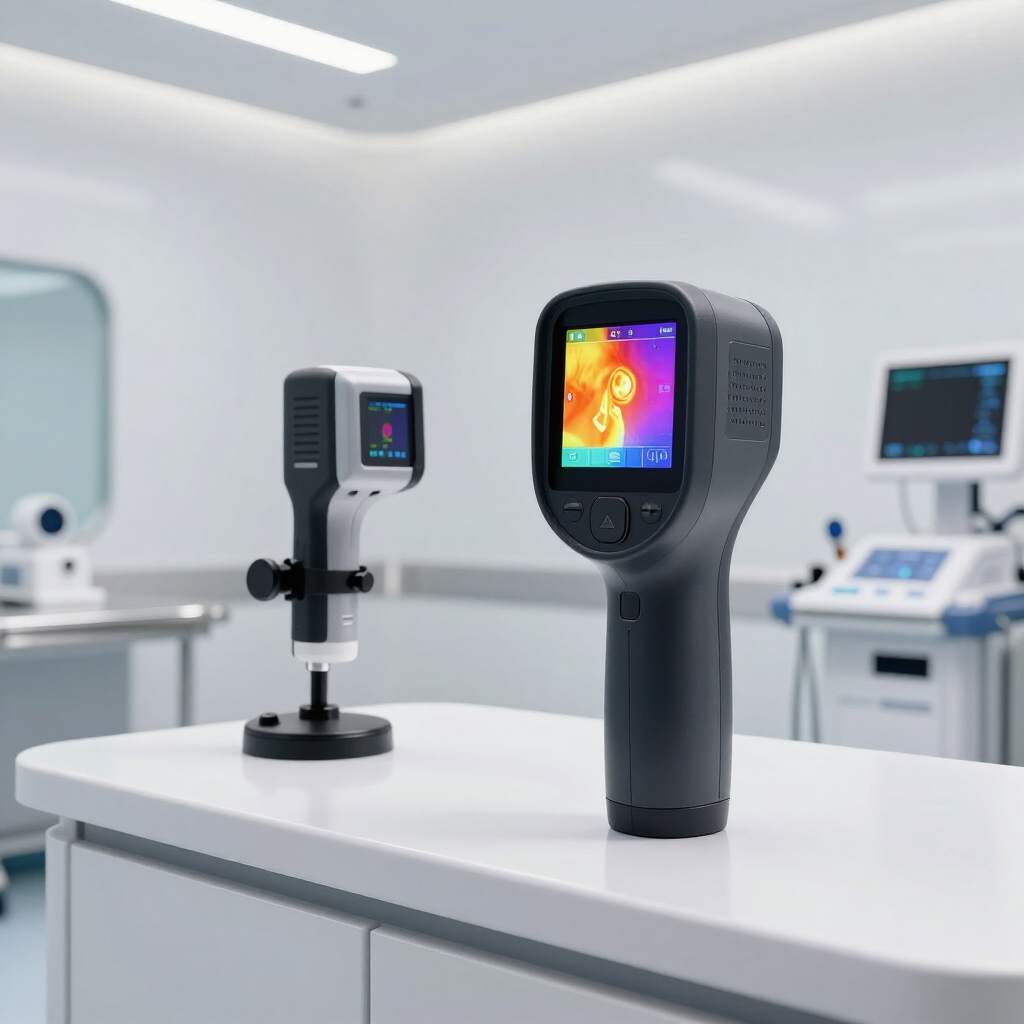
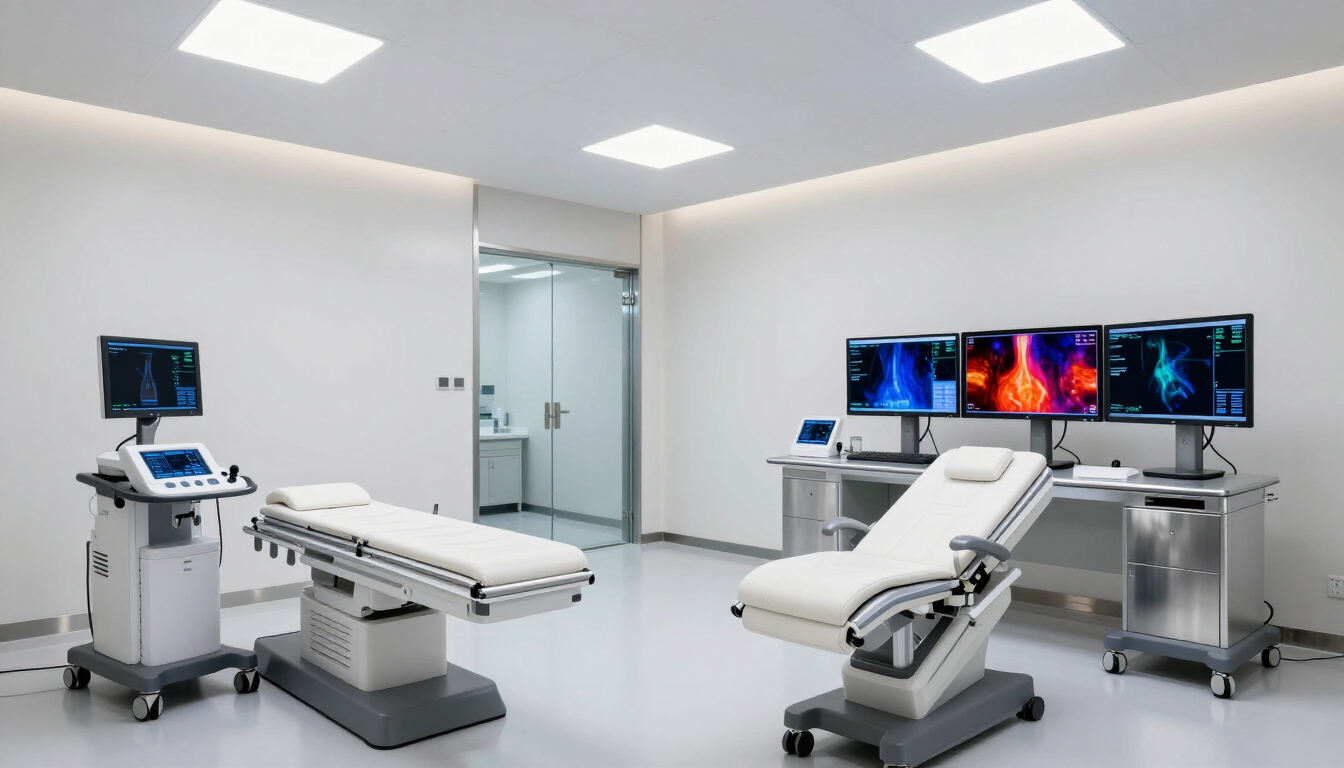
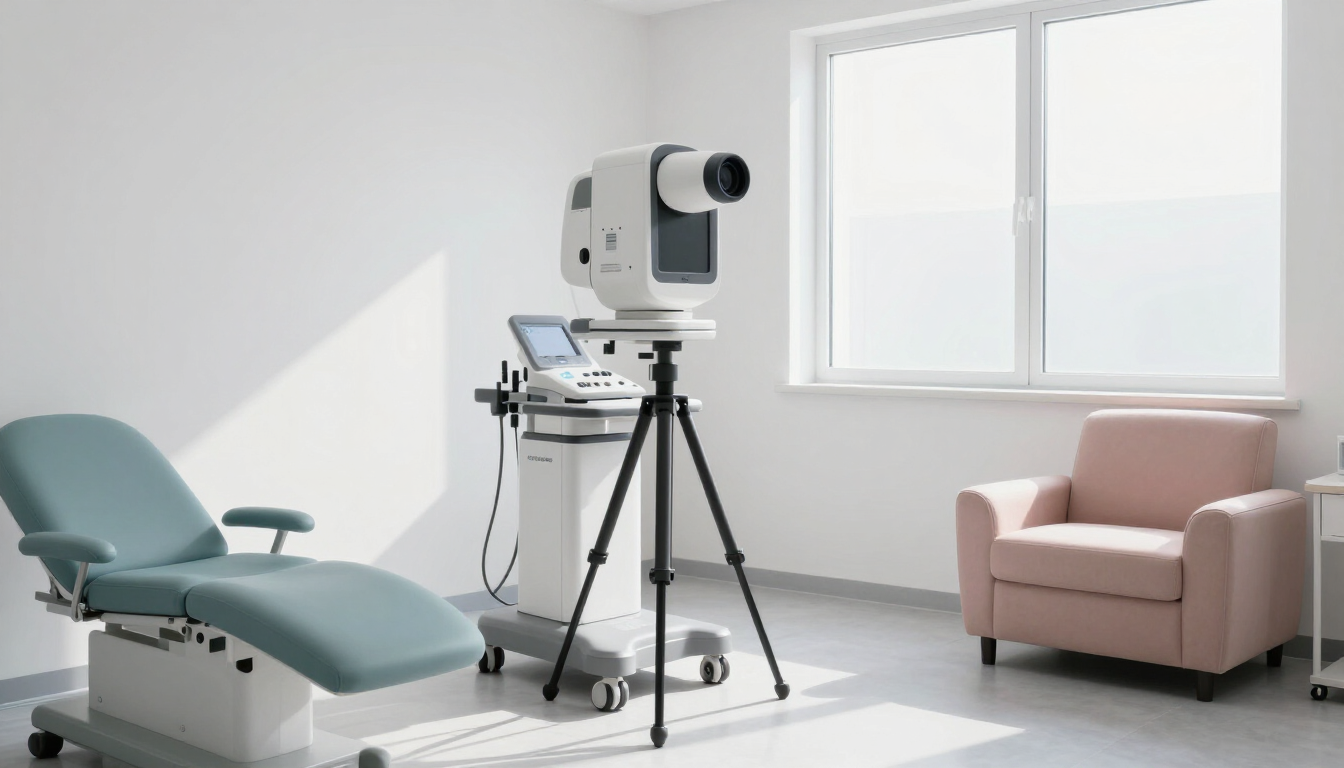
Advanced FDA Cleared Thermography Equipment

The Three-Level Board-Certified Review Process

The value of a thermal study lies in its interpretation. To ensure the highest level of accuracy, every study we conduct undergoes a comprehensive three-level review process. This is not a simple automated analysis; it is a meticulous evaluation performed by board-certified thermologists (physicians specifically trained in reading infrared images). This professional oversight ensures that every nuance in the thermal patterns is accounted for and documented with clinical precision.

This multi-tiered review includes:

  1. Initial analysis of the raw thermal data and patient history.
  2. Secondary verification of findings by a senior interpreting physician.
  3. Final report synthesis that highlights areas of clinical interest for the practitioner.

By utilizing a panel of board-certified physicians, we provide Connecticut’s functional medicine community with a report that is grounded in medical expertise. These physicians look for specific patterns such as hyperthermic (hot) or hypothermic (cold) signatures that may indicate vascular changes, lymphatic congestion, or nerve irritation. This level of professional scrutiny transforms raw images into a sophisticated clinical tool that practitioners can use to enhance their patient’s wellness strategy.

How are reports delivered and integrated into care?

Efficiency is critical in a busy functional medicine practice. Once the three-level review is complete, a comprehensive report is generated and delivered promptly. These reports are designed to be intuitive and informative, featuring high-resolution color thermal maps alongside detailed physician findings. Understanding your report is made easier through clear labeling and standardized terminology, allowing practitioners to quickly identify the most relevant data points.

Following the delivery of the report, we offer professional consultation options to help practitioners and patients navigate the findings. If a practitioner has questions about a specific thermal pattern or how it might relate to a patient’s laboratory results, our team is available to provide clarity. This collaborative approach ensures that the thermal data does not exist in a vacuum but is instead integrated into the broader context of the patient’s integrative health journey.

For the practitioner, this means having a reliable partner in wellness. The reports can be easily shared with the patient during their follow-up appointments, serving as a powerful visual educational tool. When a patient can see the heat patterns associated with their areas of concern, it often increases their motivation to adhere to the recommended functional protocols. This synergy between visual data and clinical expertise fosters a higher standard of care and a more engaged patient population.

Summary of Benefits for Connecticut Practitioners

Integrating adjunctive thermal imaging into a functional health practice offers a non-invasive, highly detailed look at patient physiology. By leveraging PACT-certified technicians and board-certified physician interpretations, practitioners gain objective data that supports root-cause analysis and wellness monitoring. The process is professional, accessible, and designed to complement existing diagnostic frameworks without the need for complex referrals.

Key Takeaways for Your Practice:

  • Physiological Insight: Visualize inflammation and vascular patterns to supplement anatomical testing.
  • Professional Rigor: Benefit from FDA 510(k)-cleared equipment and three-level physician reviews.
  • Patient Empowerment: Use visual reports to improve patient understanding and protocol compliance.
  • Easy Integration: No referrals are required, making it simple to incorporate into any care plan.
  • Clinical Collaboration: Access professional consultations to maximize the value of every report.

To learn more about how to incorporate these screenings into your practice, or to schedule a visit to our imaging suite, please visit our Contact page. We are dedicated to providing the high-quality data that integrative practitioners need to help their patients thrive.

Adjunctive Disclaimer: Thermography is an adjunctive imaging procedure and is not intended to be used as a standalone diagnostic tool. It does not replace mammography or any other anatomical imaging. All thermal findings should be correlated with other clinical data and physical examinations for a comprehensive health assessment.

Recent Posts

A private medical imaging room for thermography in Westport, CT.
August 6, 2026
A comprehensive guide on what to expect during your thermography appointment in Westport, CT. Learn about our private, temperature-controlled imaging process.
Professional thermography imaging equipment on a tripod in a clinic.
July 20, 2026
Explore the different thermography imaging options including breast, head and neck, upper body, and full body screenings to determine which best fits your wellness goals.
A clean and professional thermography imaging room at CT Thermography.
July 13, 2026
A comprehensive guide to full body thermography for men. Learn about the non-invasive imaging scope—from head to testicular health—and the appointment flow at CT Thermography.

A patient reviewing their thermography report on a laptop computer.
July 6, 2026
Learn what to expect in your thermography report, from clinical impressions to secure portal delivery. This guide helps you prepare for discussions with your provider.

Professional medical thermography imaging setup with infrared camera and monitors.
June 22, 2026
Learn how CT Thermography uses a three-level interpretation process by board-certified thermologists and FDA 510(k)-cleared equipment for quality results.
Modern and professional thermography imaging room.
June 8, 2026
Learn why a baseline scan and comparison imaging are essential in medical thermography for monitoring stable thermal patterns and proactive wellness.
A private, professional thermography screening room at CT Thermography.
May 4, 2026
Curious about your first breast thermography appointment? Learn about the private, contact-free process, imaging angles, and how you receive your wellness report.
A calm person preparing for a wellness screening with a glass of water.
April 6, 2026
Follow this professional thermography preparation checklist to ensure accurate imaging results. Learn why skin temperature and hydration matter for your screening protocol.
A clean and professional thermography imaging room setup.
March 9, 2026
Learn exactly what happens during your first thermography appointment. Walk through the intake process, room acclimation, and contact-free imaging for a stress-free experience.
Breast Thermography as a Non-Invasive Option for Monitoring Breast Health
By CT Thermography July 1, 2025
Discover how breast thermography offers a safe, non-invasive way for women to monitor their breast health and detect potential issues early.
Show More