How Thermography for Men Works: What to Expect
Thermography for men is a comfortable, contact-free imaging service that records heat patterns from the body’s surface. During a full-body session, a certified medical thermographer guides you through positioning while an infrared camera captures images without radiation or physical contact. Preparation is simple and results are reviewed with appropriate professional context.
What is thermography for men?
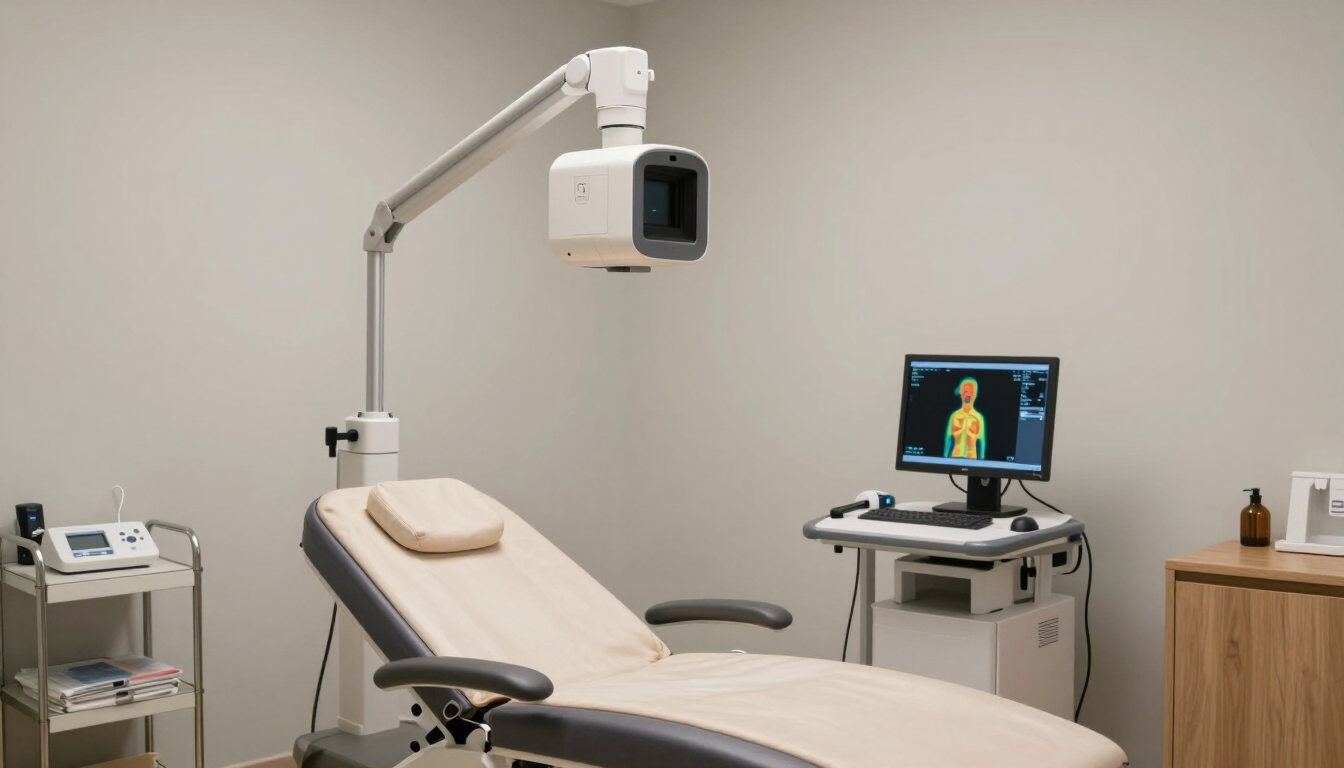
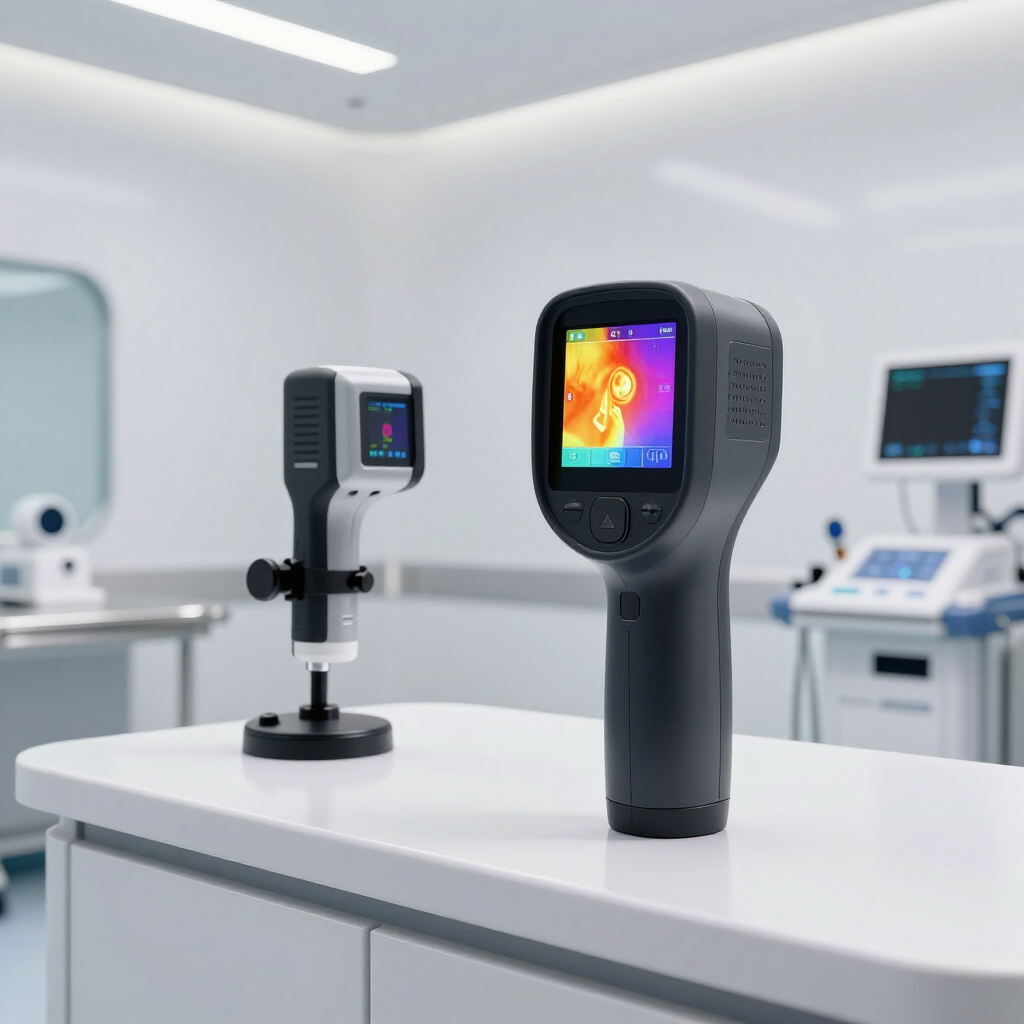
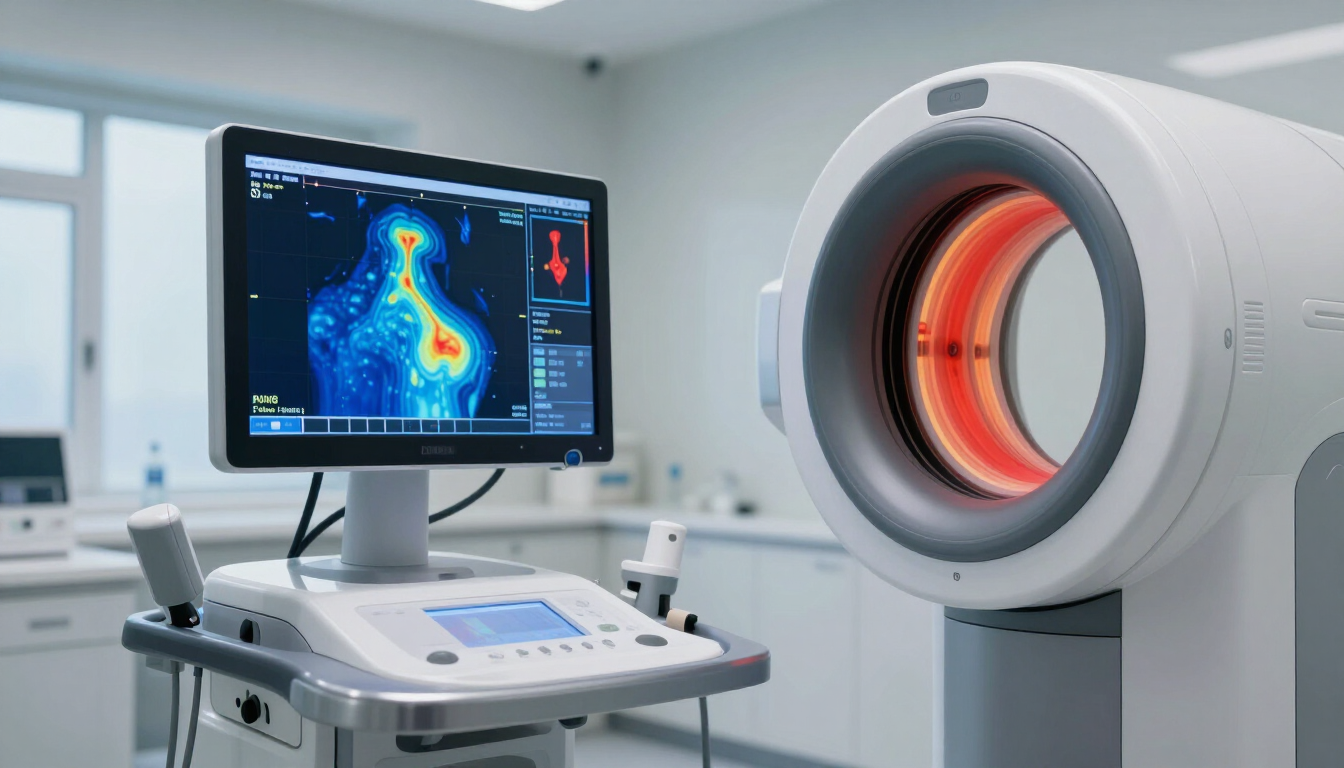
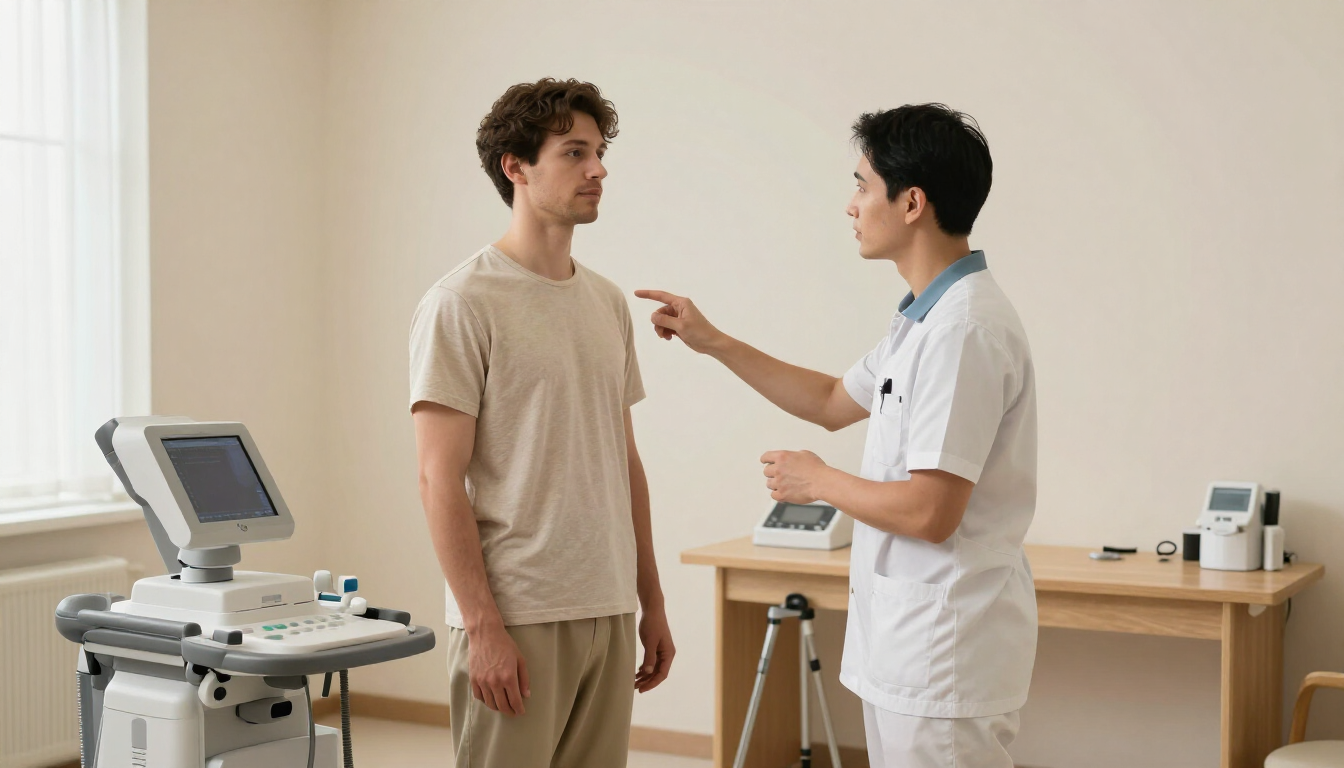
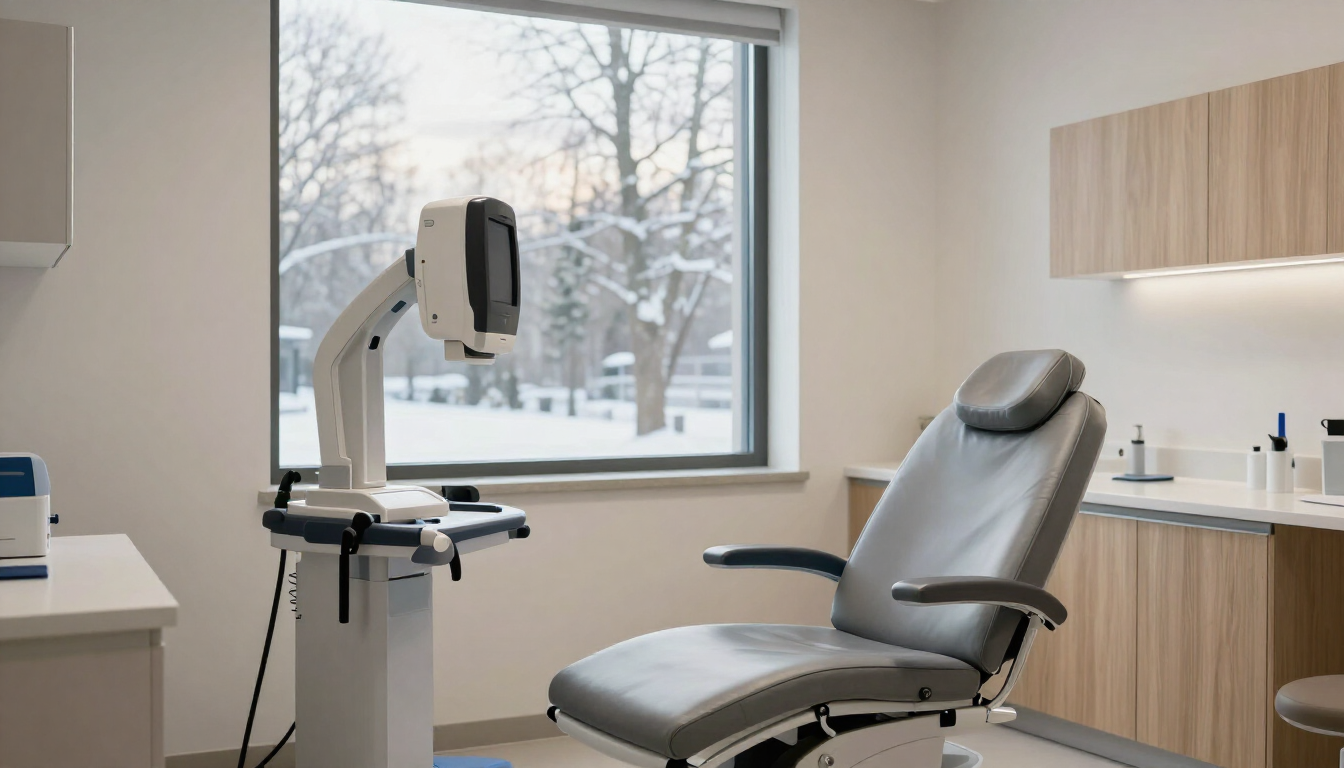
Thermography uses a specialized infrared camera to visualize temperature patterns at the body’s surface. The camera does not touch you and does not emit radiation. Instead, it records thermal information while you remain still in a private imaging room.
For men who are new to thermography, the experience is usually straightforward:
- You check in and complete any required forms.
- A certified medical thermographer explains the session.
- You change as needed for the selected imaging study.
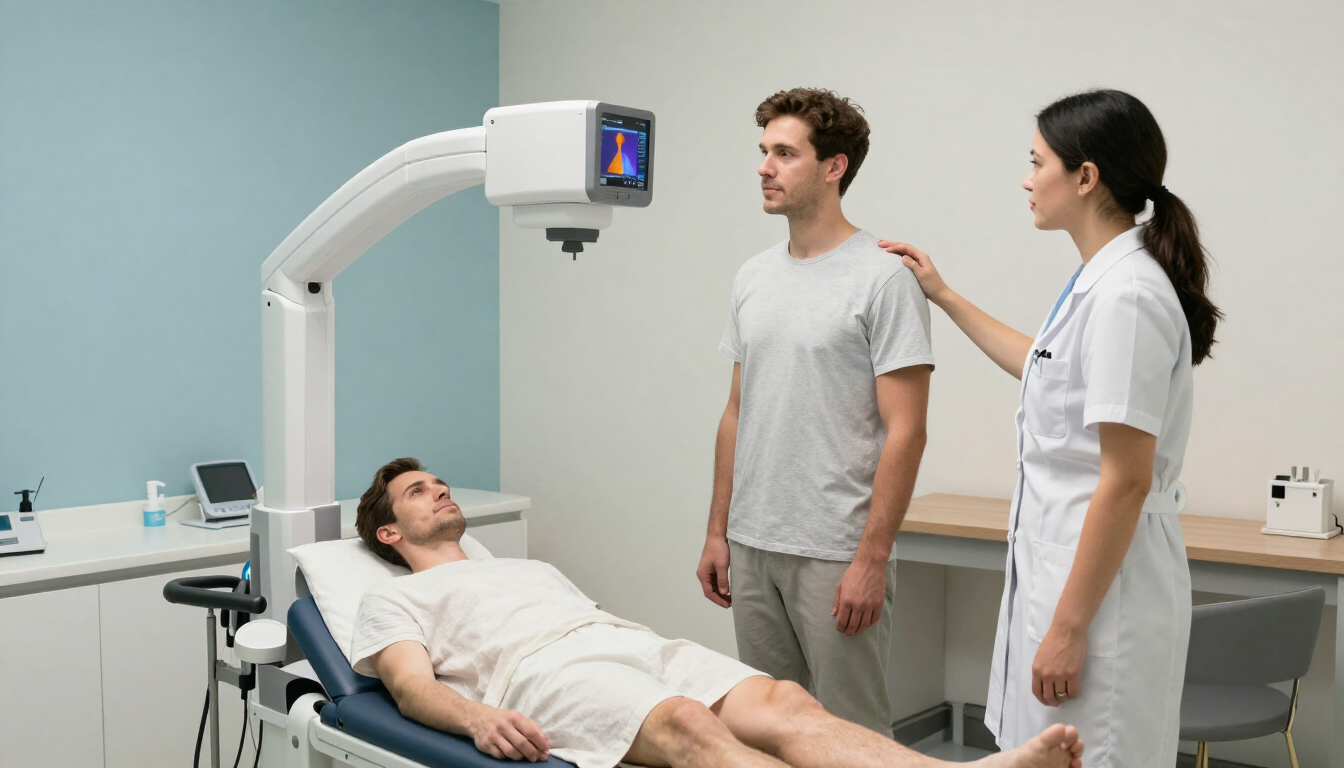
- Images are captured while you stand in a comfortable position.
- A physician later interprets the study and provides a report.
Thermography is designed to complement a broader approach to personal health. It may appeal to people who value non-invasive wellness information, want a comfortable screening experience, or are interested in learning more about their body’s thermal patterns.
To understand the technology in greater detail, visit CT Thermography’s Thermography page.
What does full-body thermography include?
A full-body thermography session generally captures a series of infrared images from multiple views. The purpose is to create a broad thermal record rather than focus on a single location.
Depending on the study and the provider’s protocol, imaging may include front, back, and side views. The technologist will explain how to stand, where to face, and when to change position. You will not need to hold complicated poses or complete a physically demanding activity.
The session may include:
- A brief explanation of the procedure and room conditions
- Time for your body to adjust to the imaging environment
- Several standing views captured by the infrared camera
- A check that the images are clear and complete
- Instructions about report timing and follow-up
Your exact appointment length can vary according to the selected service and clinic workflow. Ask when scheduling if you need an estimate for your visit.
Is the thermography process contact-free?
Yes. Thermography imaging is contact-free. You stand in front of the camera while the equipment records infrared images from a short distance. The technologist may provide verbal instructions, but the camera does not press against your body.
This can make the experience appealing to men who prefer a private, quiet, and non-invasive appointment. The room is kept comfortable, and you are given clear instructions throughout the process.
Before the appointment, you can review The Process to become familiar with the typical visit. If you have questions about privacy, clothing, mobility, or accommodations, contact the office before booking.
What should men do before a thermography appointment?
Following the pre-screening instructions helps create consistent images. Your clinic will provide the final guidance, but common preparation steps include:
- Avoid applying lotions, oils, deodorant, or other products to the areas being imaged on the day of the appointment.
- Avoid strenuous exercise immediately before the session.
- Allow enough time to arrive without rushing.
- Follow any instructions about food, beverages, caffeine, or other routine activities.
- Tell the office about anything that could affect your comfort or ability to remain still.
Review the complete Pre-Screening Protocol before your appointment. If you are unsure whether a particular activity or product matters, ask the clinic rather than guessing.
Should men shave a beard before thermography?
If facial imaging is part of your selected study, shave your beard approximately 48 hours before the appointment. This timing can help avoid temporary skin irritation immediately before imaging while allowing the skin to settle.
If shaving is uncomfortable or not practical, contact the clinic in advance for personalized instructions. Do not make a last-minute change without asking whether it is necessary for your appointment.
What happens during a men’s thermography visit?
1. Arrival and intake
You will check in and complete the clinic’s intake materials. These forms help the team understand your appointment needs and answer questions before imaging begins.
2. Room orientation
The thermographer explains the camera, the expected positions, and the importance of remaining still. You will have an opportunity to ask questions before images are taken.
3. Acclimation
Thermal imaging is influenced by the environment. You may be asked to spend a short period in the room so your body can adjust to the clinic’s conditions. Follow the technologist’s instructions during this stage.
4. Image capture
The camera records multiple views. You may be asked to turn or reposition your arms so the study is complete. The procedure itself is quiet and does not require needles, injections, or physical pressure.
5. Completion and next steps
After the images are checked, the staff explains what happens next. Reports are interpreted by board-certified physicians with experience in thermography, and the clinic can explain how you will receive your results.
For scheduling information, visit Appointments or complete the Intake Form .
How long does thermography take?
Appointment times vary by service, preparation, and clinic workflow. A full-body study generally requires more time than a region-specific study because multiple views are captured and reviewed for image quality.
When you schedule, ask about:
- Expected time in the clinic
- Arrival instructions
- Clothing or preparation requirements
- When and how the report will be delivered
- Whom to contact with follow-up questions
Planning extra time can make the visit more relaxed, especially if this is your first thermography appointment.
How are thermography results explained?
Thermography results are provided in a report and interpreted by a qualified physician. Your report may describe observed thermal patterns and provide context according to the study performed. The clinic can explain the report format and answer questions about terminology.
Use the Understanding Your Report resource to learn how to approach your results. Bring questions to your healthcare provider and consider your personal history, symptoms, physical examination, and other appropriate evaluations when discussing next steps.
A thermal image is one source of information. It should be considered within a complete conversation about your health rather than viewed in isolation.
A calm starting point for men new to thermography
Thermography for men is a contact-free, radiation-free imaging experience that can provide additional wellness information in a professional setting. Full-body imaging includes multiple views, and preparation is usually simple: follow the clinic’s protocol, avoid products that may affect the images, and shave a beard about 48 hours ahead when facial imaging is included. Start by reviewing the FAQs , then compare services, prepare carefully, and discuss your report with your provider. Thermography is adjunctive, does not diagnose disease or replace mammography; discuss results with your provider.