
Thermography Preparation Checklist: Your Professional Guide

April 6, 2026

Share this article

To ensure accurate results, follow a thermography preparation checklist by avoiding activities that alter skin temperature. This includes refraining from heavy exercise, sun exposure, and applying lotions for 24 hours before your scan. Precise thermal imaging depends on a stabilized body temperature to reflect your baseline health accurately.

What is the 24-hour thermography preparation checklist?

Preparing for your thermal imaging study begins long before you walk through our doors. Because thermography measures the infrared heat radiating from the surface of your body, even subtle changes to your skin’s microcirculation can influence the quality of the data. For the 24 hours leading up to your appointment, we ask that you adhere to a specific pre-screening protocol designed to bring your body to its natural baseline.

The primary goal during this window is to avoid any activity that creates systemic or localized heat. This means you should avoid heavy physical exertion or strenuous exercise. When you exercise, your cardiovascular system pumps blood to the surface of the skin to cool the body down, which can create "noisy" data on a thermal scan. Similarly, you should avoid any chiropractic adjustments, physical therapy, or deep tissue massage, as these treatments manipulate the soft tissues and can increase local blood flow for several hours.

We also recommend avoiding long periods of direct sun exposure. Even if you do not get a visible sunburn, UV rays can stimulate the skin and alter its thermal signature. If you are preparing for full body thermography , it is especially important to keep your entire skin surface in a neutral state. This 24-hour period is about consistency; by keeping your routine calm and your skin protected, you help us capture the most representative image of your current wellness state.

Wellness atmosphere

Why do heat and sun exposure affect thermal imaging?

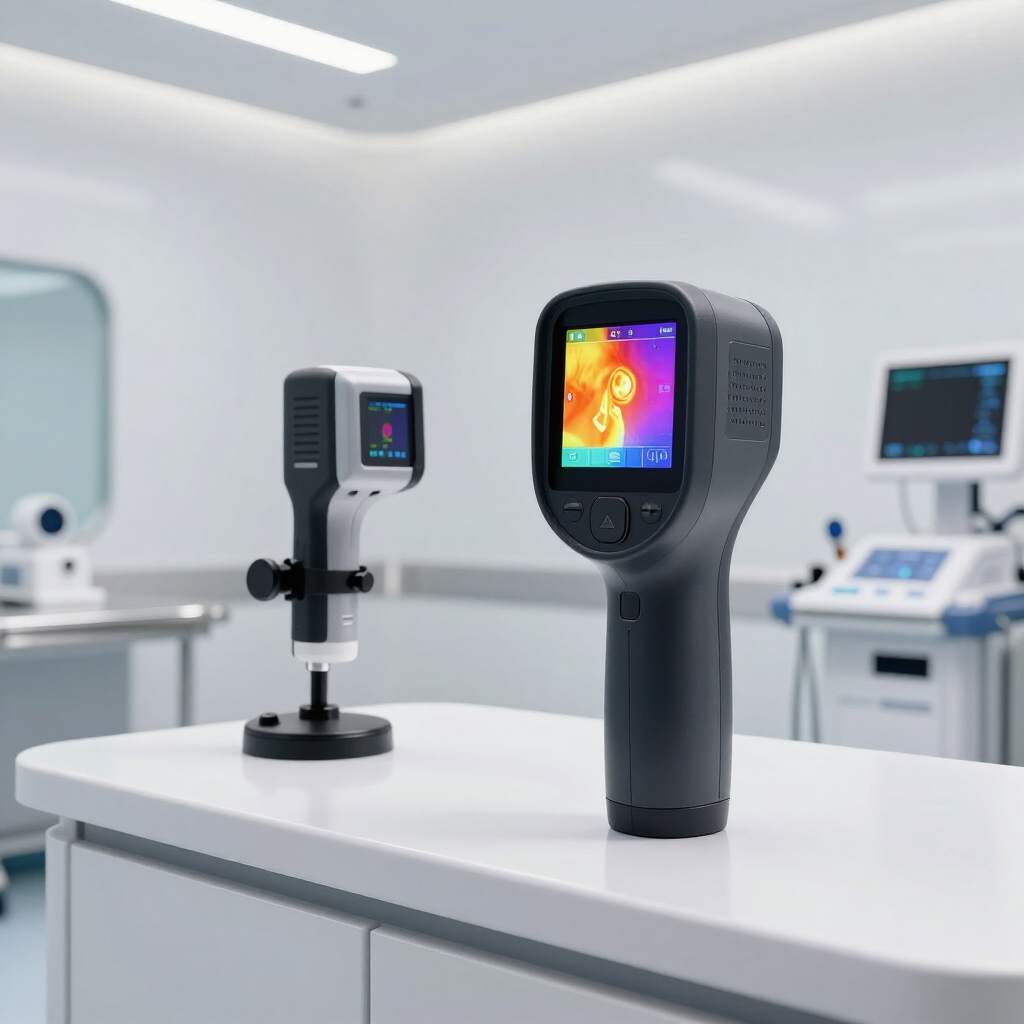
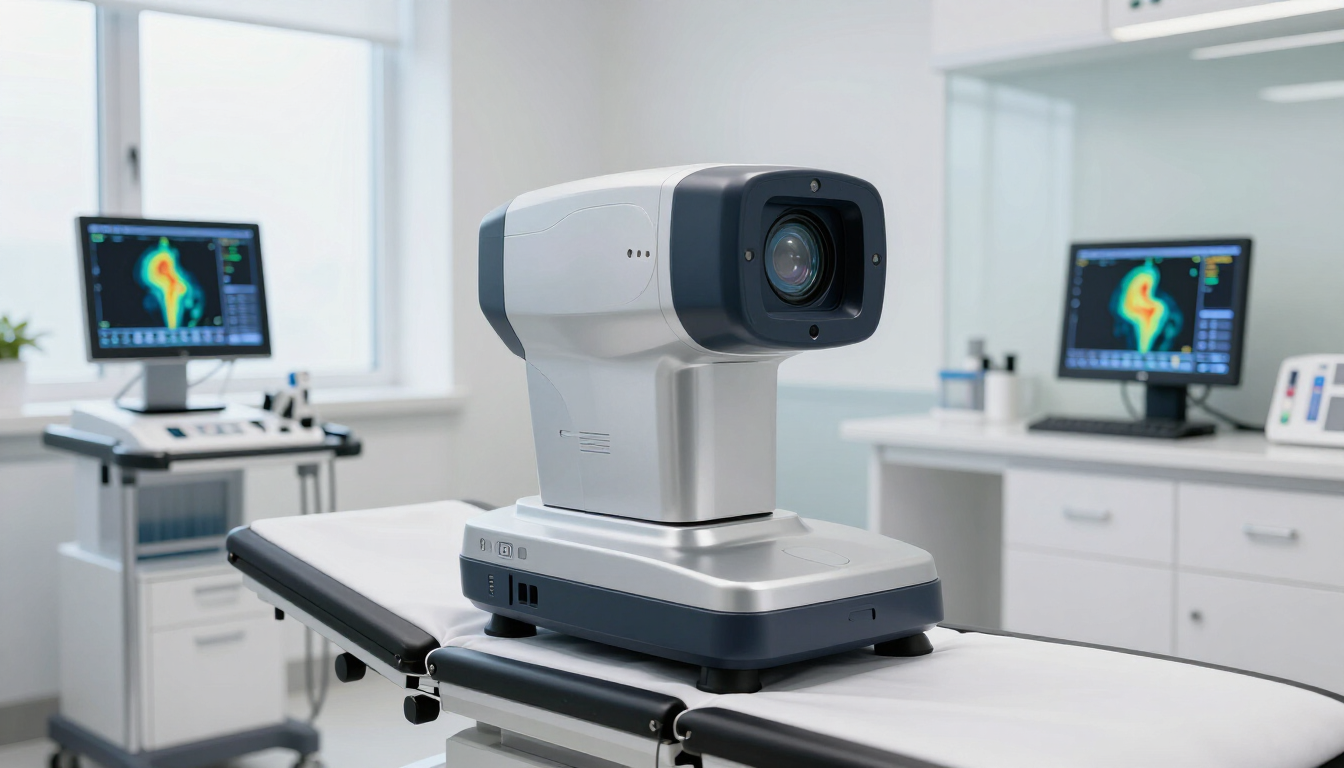
It might seem surprising that a quick jog or an afternoon in the garden could impact a professional screening, but the science of thermography is incredibly sensitive. The infrared cameras used in our process are designed to pick up temperature variations as small as a fraction of a degree. When your skin is exposed to external heat sources like the sun, heating pads, or even a hot bath, the superficial blood vessels dilate. This vasodilation changes the heat patterns we are trying to record.

Sun exposure is a particularly strong variable. A mild tan or subtle heat from the sun can remain trapped in the dermal layers for many hours. If one side of your body was exposed to the sun more than the other—perhaps while driving or sitting by a window—it could create a thermal asymmetry. Since thermography relies heavily on comparing the left side of the body to the right, maintaining symmetry is vital for a clear report.

Similarly, internal heat must be managed. High-intensity workouts raise your core temperature and keep your metabolic rate elevated for a significant period afterward. By following the thermography preparation checklist , you are essentially allowing your body to "cool down" to its true physiological resting state. This ensures that the patterns we see are related to your internal health rather than your morning gym session.

How to prepare on the day of your screening

On the day of your appointment , your focus should be on maintaining a "clean" skin surface. The few hours immediately preceding your scan are the most critical for ensuring the camera captures only what is happening beneath the skin, without interference from external substances.

  • Avoid Caffeine and Nicotine: Please refrain from consuming caffeine or using nicotine for at least 4 hours before your scan. Both are vasoconstrictors that can temporarily alter blood flow.
  • No Hot or Cold Showers: Stick to room-temperature water if you must bathe. Avoid very hot showers or ice packs, as these significantly change skin temperature.
  • Skip the Gym: Do not perform any exercise on the morning of your scan.
  • Dietary Choices: Eat a light meal if needed, but avoid very hot or very cold foods and drinks right before the appointment.
  • Shaving: Avoid shaving the areas to be imaged on the day of the scan to prevent skin irritation or increased blood flow to those areas.

By arriving at the clinic in a relaxed state, you allow your nervous system to settle, which is another key factor in thermal accuracy. Many clients find that planning for a low-stress morning helps them feel more comfortable during the screening itself.

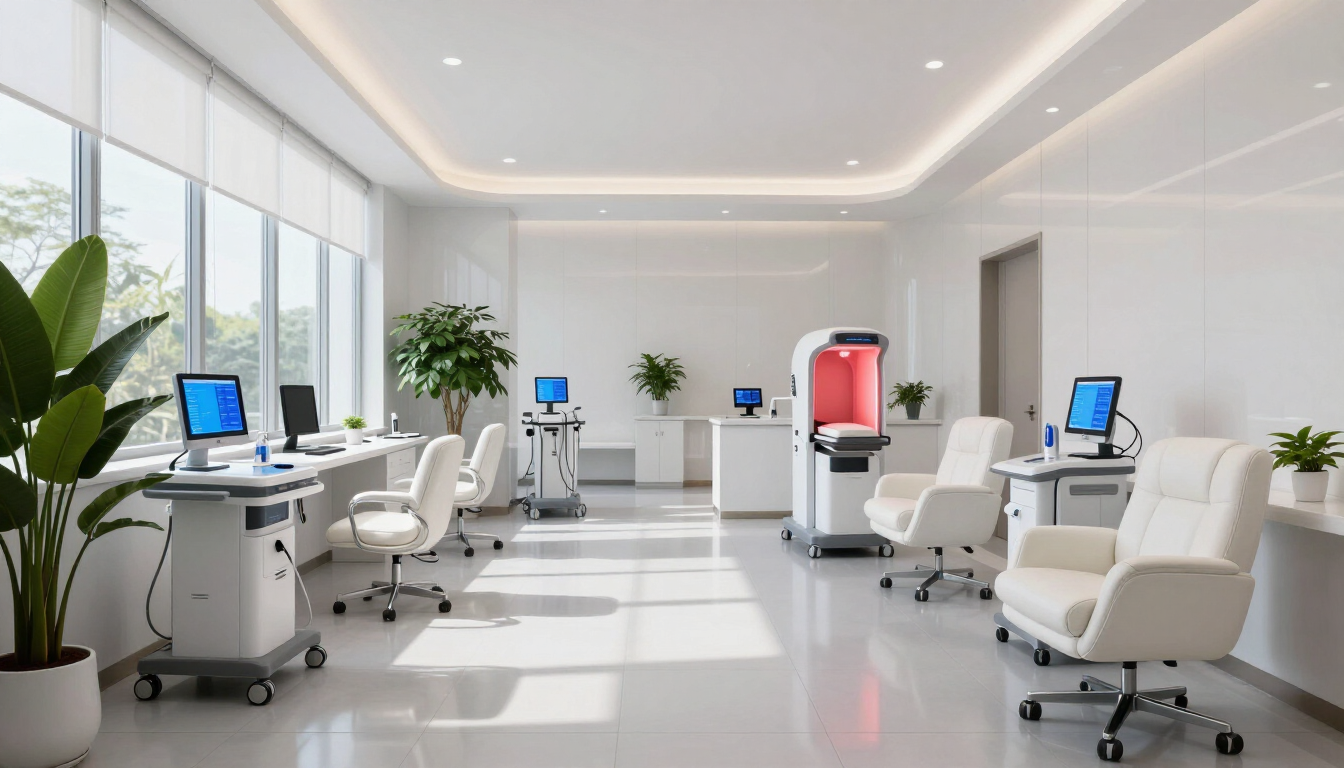
Clinic environment

Essential skin and clothing guidelines

What you put on your body—and what you wear over it—matters just as much as what you do. For the most accurate thermal imaging preparation , your skin must be free of any barriers that might trap heat or block the infrared signal. This is why we ask you to come to your session with "clean" skin.

Do not apply any lotions, creams, powders, deodorants, or perfumes on the day of your scan. These substances can act as insulators or create an artificial cooling effect on the skin's surface. Even natural oils or moisturizing soaps can leave a residue that affects how heat is emitted from the body. If you are coming in for a breast thermography session, it is particularly important to avoid deodorant and under-arm powders, as these can obscure the very areas we need to visualize.

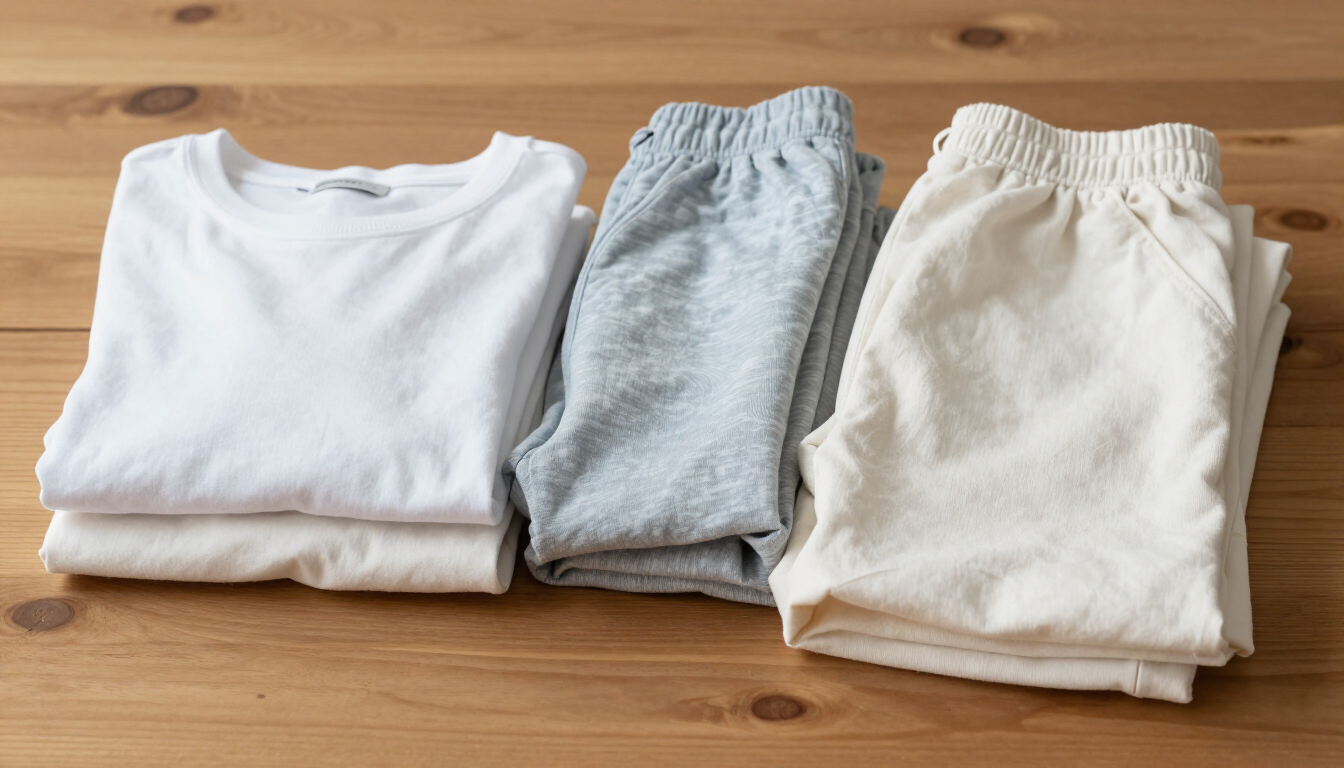
Clothing also plays a role in your preparation. We recommend wearing loose-fitting, comfortable clothing to your appointment. Tight garments, such as leggings, bras, or restrictive waistbands, can leave pressure marks on the skin and temporarily alter local circulation. When you arrive, you will be asked to change into a gown and allow your skin to acclimate to the temperature of the room. Wearing clothes that are easy to remove and don’t leave indentations makes this acclimation process much more effective.

The science of body temperature stabilization

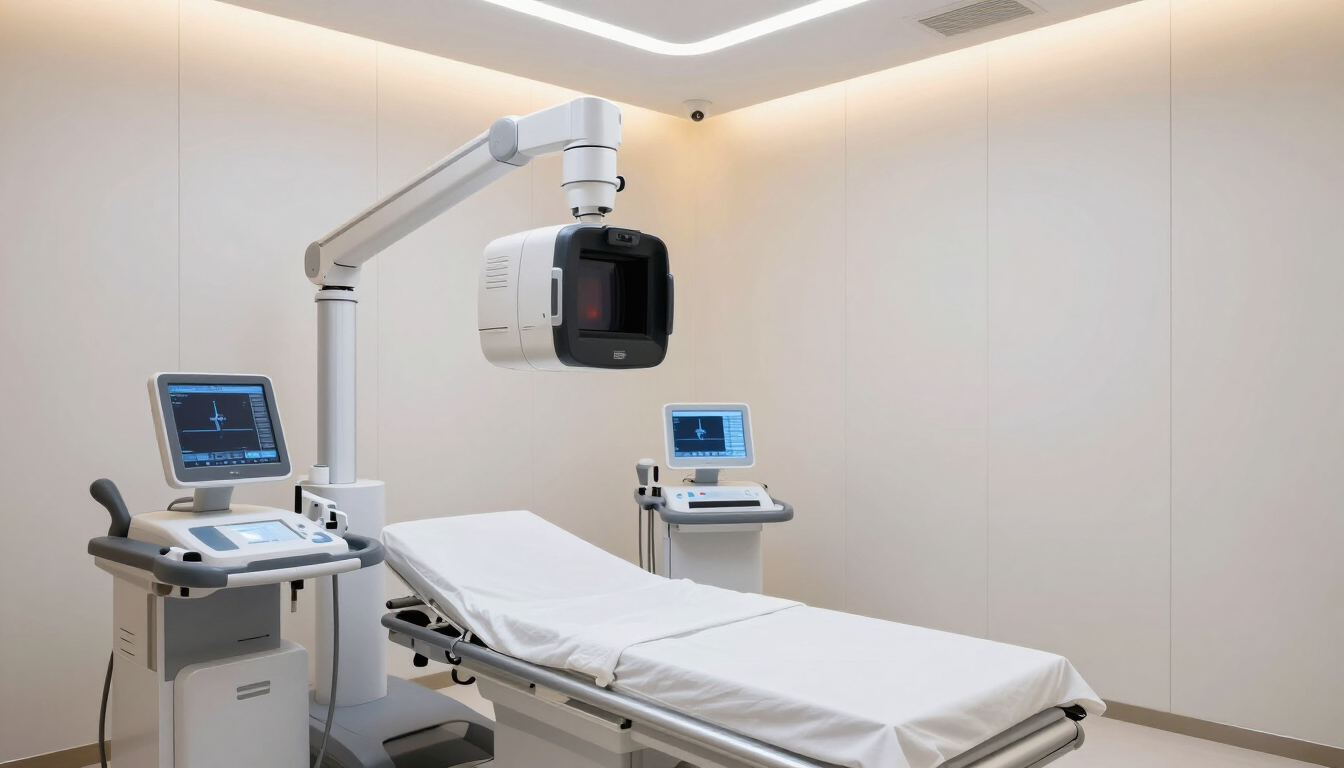
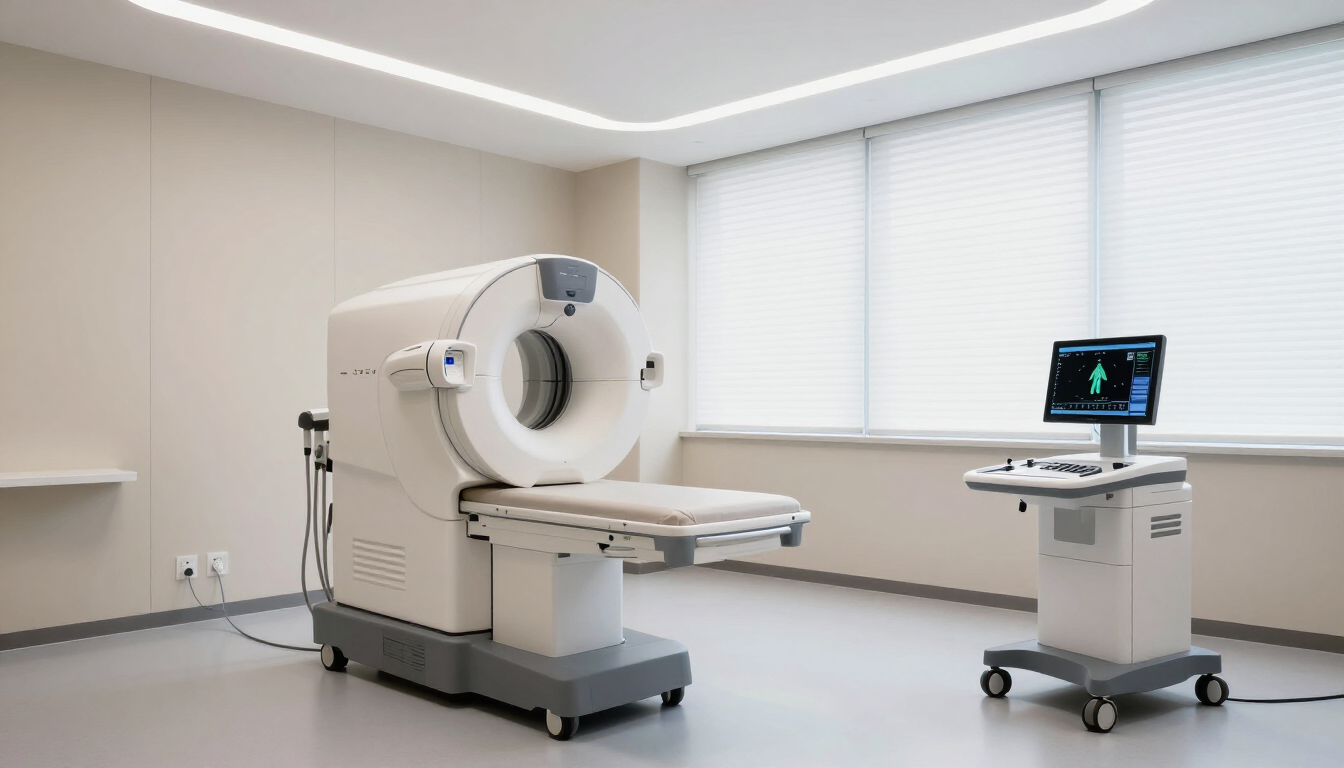
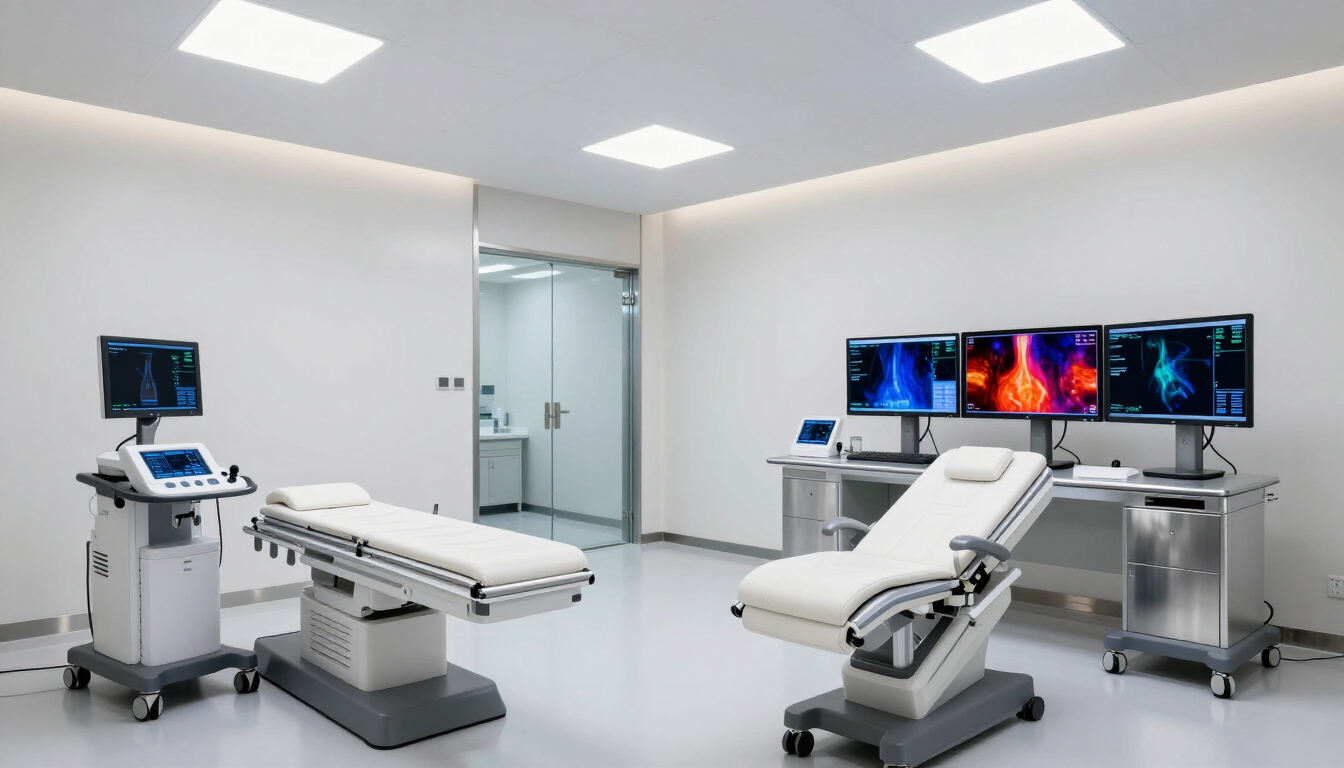
When you enter the imaging room, you will notice that the temperature is carefully controlled. Before we begin the scan, there is a mandatory acclimation period. This is a time when you sit quietly in the temperature-controlled environment for about 10 to 15 minutes. This step is a non-negotiable part of our pre-screening protocol .

Why is this necessary? Your body is constantly adjusting its temperature based on your surroundings. If you just walked in from a hot parking lot or a cold winter breeze, your skin is in a state of flux. The acclimation period allows your body to reach thermal equilibrium with the room. This ensures that when we take the images, we are seeing your true baseline temperature rather than a reaction to the outside air. During this time, you can relax, read, or simply breathe deeply, which also helps stabilize your heart rate and autonomic nervous system.

Preparation items

Understanding why specific guidelines matter

Every instruction on the thermography preparation checklist serves a physiological purpose. We often get questions about why things like deodorant or jewelry need to be removed. Deodorant, especially those containing aluminum or heavy minerals, can actually reflect infrared light or block the skin's natural heat emission. Jewelry can retain heat or cold against the skin, creating "hot spots" or "cold spots" that don't represent the tissue underneath.

Even your hydration levels matter. While we don't want you drinking ice-cold water minutes before the scan, staying well-hydrated in the days leading up to your appointment ensures that your lymphatic system and skin are functioning optimally. If you have any questions about specific medications or health conditions, we always encourage you to check our FAQs or contact us directly. Our goal is to make the process as seamless as possible while maintaining the highest standards of professional integrity.

Following these guidelines doesn't just make our job easier—it ensures that the report you receive from our board-certified physicians is based on the highest quality data possible. When you take the time to prepare correctly, you are investing in the clarity of your own wellness journey.

Summary of your thermography preparation

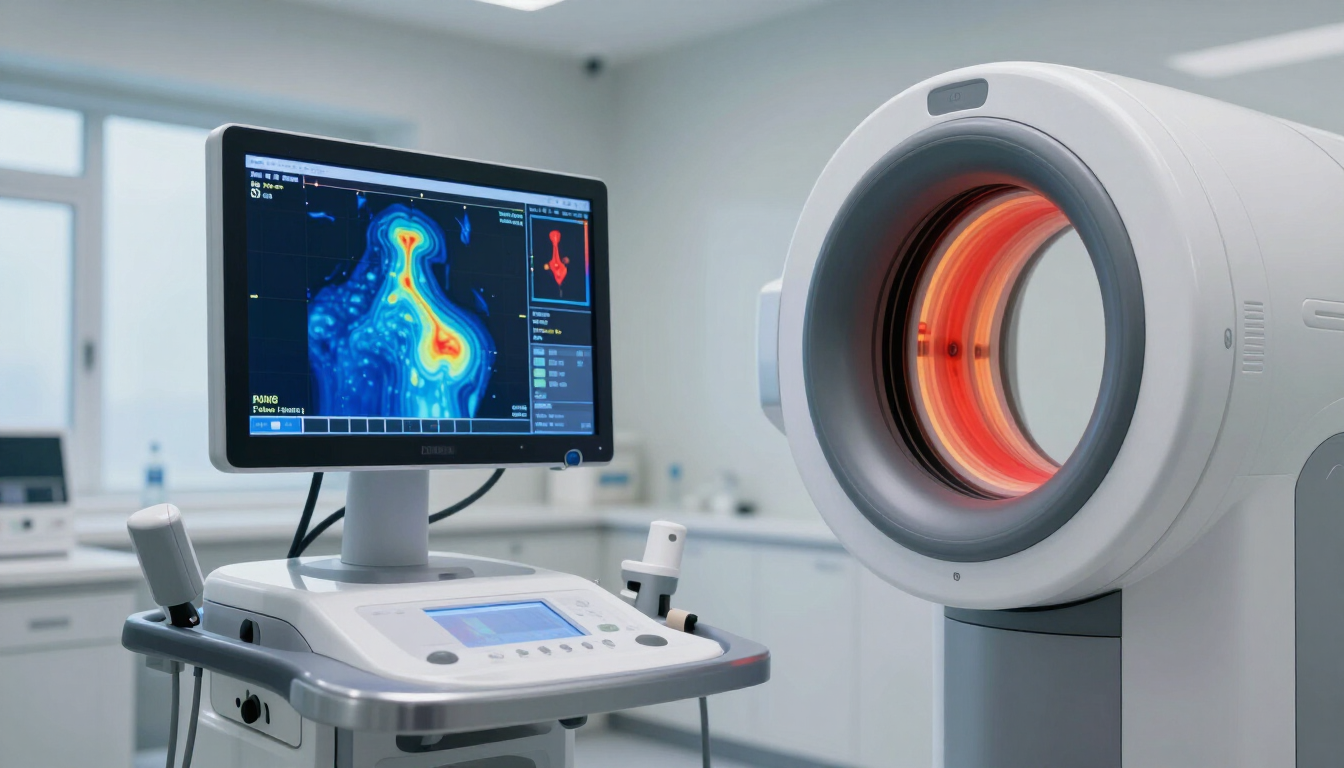
Successful thermography depends on your body being in a neutral, resting state. By following this checklist, you minimize external variables that could interfere with your thermal patterns. Remember that these steps are designed to help us see the most accurate "thermal map" of your body.

Key Takeaways for Your Screening:

  • 24 Hours Before: Avoid heavy exercise, massage, and direct sun exposure.
  • Day Of: Do not use lotions, deodorants, powders, or perfumes on the skin.
  • 4 Hours Before: Refrain from caffeine and nicotine use.
  • Clothing: Wear loose garments and be prepared to remove jewelry.
  • Arrival: Plan for a 15-minute acclimation period in a temperature-controlled room.

If you are ready to gain deeper insight into your health through this safe, non-invasive technology, we are here to support you. Please ensure all your paperwork is completed via our intake form before your arrival.

Disclaimer: Thermography is an adjunctive imaging procedure and does not diagnose disease. It is intended to be used alongside other clinical findings and is not a replacement for any other medical imaging or screening. Always consult with your primary healthcare provider regarding your results and overall health strategy.

Recent Posts

A private medical imaging room for thermography in Westport, CT.
August 6, 2026
A comprehensive guide on what to expect during your thermography appointment in Westport, CT. Learn about our private, temperature-controlled imaging process.
Modern thermography clinic suite in Connecticut
July 27, 2026
Discover how adjunctive thermal imaging enhances integrative care. Learn about PACT-certified screenings and physician-led reporting for Connecticut practitioners.
Professional thermography imaging equipment on a tripod in a clinic.
July 20, 2026
Explore the different thermography imaging options including breast, head and neck, upper body, and full body screenings to determine which best fits your wellness goals.
A clean and professional thermography imaging room at CT Thermography.
July 13, 2026
A comprehensive guide to full body thermography for men. Learn about the non-invasive imaging scope—from head to testicular health—and the appointment flow at CT Thermography.

A patient reviewing their thermography report on a laptop computer.
July 6, 2026
Learn what to expect in your thermography report, from clinical impressions to secure portal delivery. This guide helps you prepare for discussions with your provider.
Professional medical thermography imaging setup with infrared camera and monitors.
June 22, 2026
Learn how CT Thermography uses a three-level interpretation process by board-certified thermologists and FDA 510(k)-cleared equipment for quality results.
Modern and professional thermography imaging room.
June 8, 2026
Learn why a baseline scan and comparison imaging are essential in medical thermography for monitoring stable thermal patterns and proactive wellness.
A private, professional thermography screening room at CT Thermography.
May 4, 2026
Curious about your first breast thermography appointment? Learn about the private, contact-free process, imaging angles, and how you receive your wellness report.
A clean and professional thermography imaging room setup.
March 9, 2026
Learn exactly what happens during your first thermography appointment. Walk through the intake process, room acclimation, and contact-free imaging for a stress-free experience.
Breast Thermography as a Non-Invasive Option for Monitoring Breast Health
By CT Thermography July 1, 2025
Discover how breast thermography offers a safe, non-invasive way for women to monitor their breast health and detect potential issues early.
Show More