How Patient Thermography Works: A Practitioner Guide

November 23, 2026

Share this article

Patient thermography is a comfortable, radiation-free imaging process that records skin-surface heat patterns using an infrared camera. A PACT-certified thermographer guides the session, and each study receives three levels of review by board-certified thermologists. The final portal report is typically available within 3–5 business days.

What does patient thermography involve?

Patient thermography uses digital infrared imaging to capture thermal patterns at the body’s surface. The process is non-contact and does not use radiation, compression, injections, or contrast agents.

For integrative and functional health practitioners, thermography can provide an additional source of wellness information to consider alongside a patient’s history, symptoms, examination, and other appropriate clinical evaluations. It is designed to support informed conversations—not to replace professional medical care.

CT Thermography provides region-specific and comprehensive imaging options, including breast thermography , upper-body thermography , head and neck thermography , and full-body thermography .

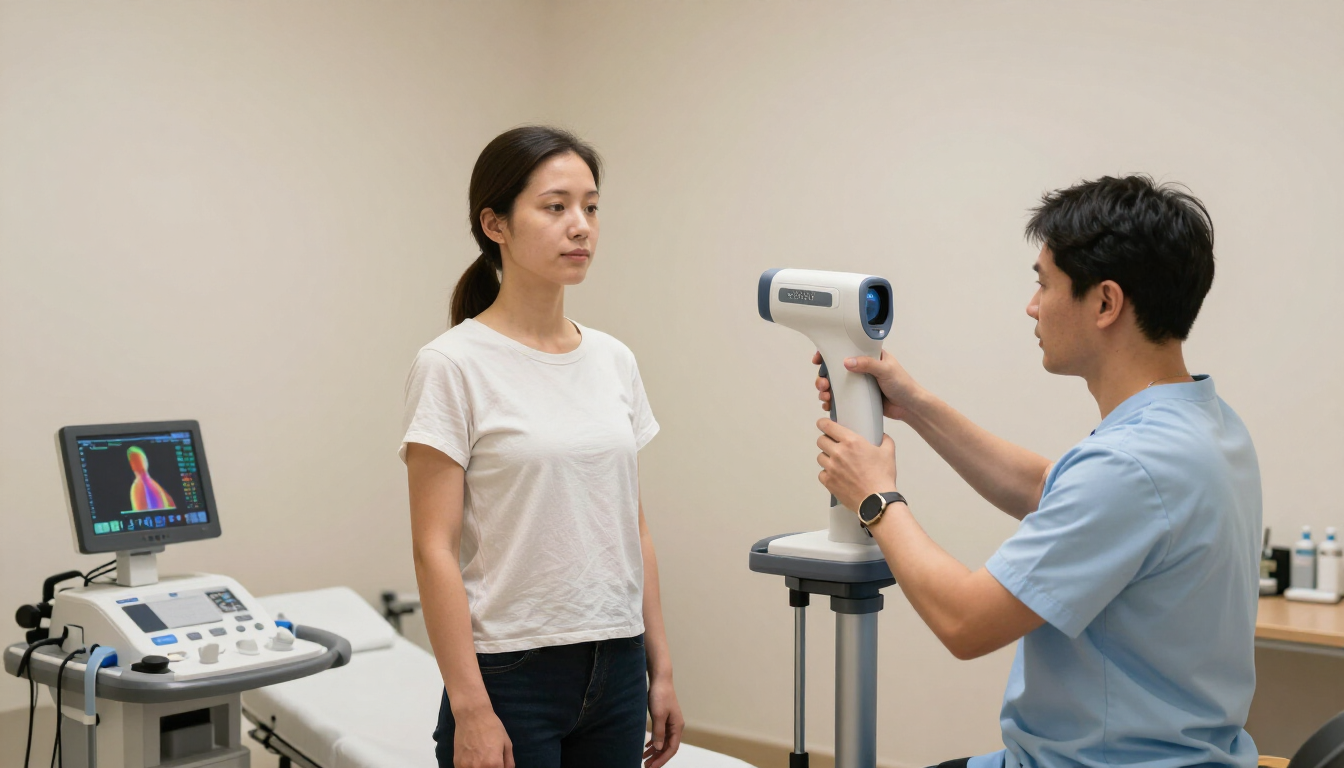
Professional patient thermography imaging room with infrared camera

Does a patient need a referral?

No referral is needed to schedule a thermography screening with CT Thermography. Patients may arrange an appointment directly, then share the completed report with their physician, integrative practitioner, or other qualified healthcare provider.

Practitioners can help patients prepare by explaining that thermography is one piece of a broader wellness process. It may be especially useful for people seeking a non-invasive imaging option or additional information to discuss during an ongoing care plan.

Patients can begin by reviewing the pre-screening protocol , completing the intake form , and selecting a time through appointments .

How should patients prepare for thermography?

Consistent preparation helps create useful, comparable images. Patients should review the detailed protocol provided before their appointment, because preparation requirements can vary by the area being imaged.

Common preparation principles include:

  • Avoid applying lotions, creams, deodorant, or cosmetics to the area being imaged before the appointment.
  • Avoid strenuous exercise immediately before imaging.
  • Follow guidance about hot or cold exposure before arrival.
  • Wear comfortable clothing that allows the requested areas to be accessed without pressure or irritation.
  • Tell the office about relevant medications, recent procedures, injuries, or circumstances that may affect the images.

The thermographer will provide on-site instructions and allow an acclimation period before imaging begins. This supports a calm, standardized experience.

What happens during the imaging appointment?

A trained thermographer welcomes the patient, confirms the requested study, reviews preparation, and explains what to expect. The patient then stands or sits in the imaging area while an infrared camera records thermal images from selected views.

The camera does not touch the body. The appointment is generally quiet and straightforward, with the thermographer providing positioning instructions as needed. Patients can ask questions throughout the session.

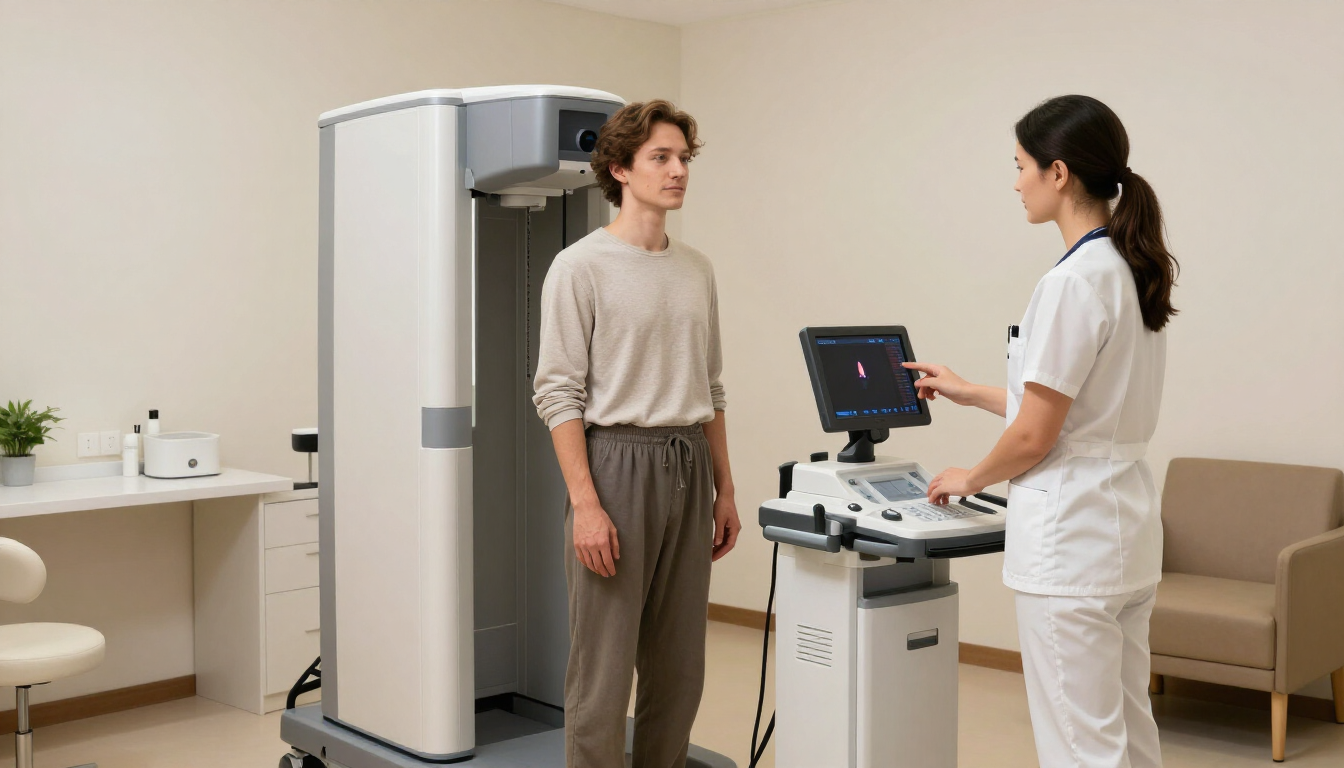
The imaging room is maintained as a controlled environment so the study can be completed consistently. The thermographer documents relevant information for the interpreting team and confirms that the required views have been captured before the patient leaves.

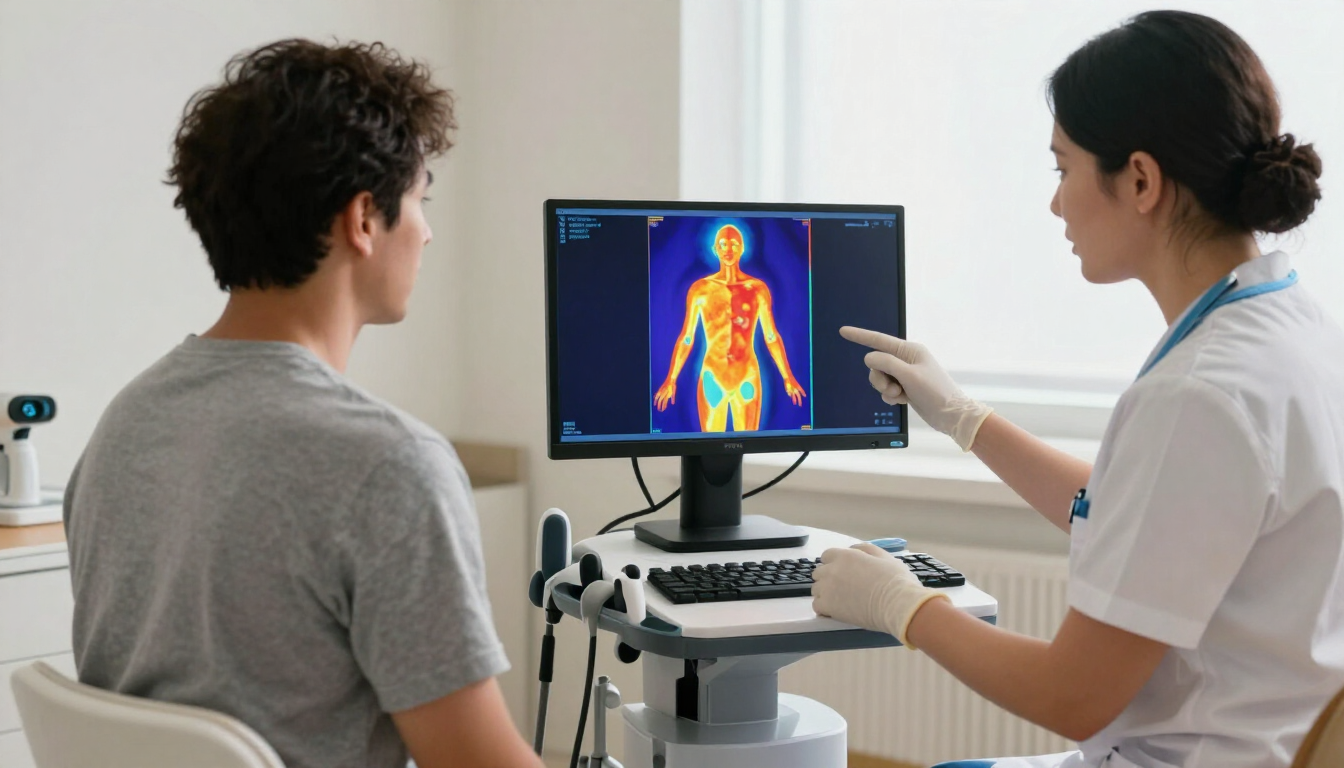
Photorealistic infrared imaging consultation in a calm clinical room

How are thermography images reviewed?

Each study follows a three-level review process by board-certified thermologists. This layered approach is intended to support careful interpretation and clear reporting.

The process generally includes:

  1. Image quality review: The submitted views and technical details are checked for completeness and suitability for interpretation.
  2. Professional interpretation: Board-certified thermologists assess the thermal patterns shown in the study and prepare the clinical report.
  3. Final quality review: The report and images undergo an additional review before release through the patient portal.

The interpreting team works from the images and information supplied with the study. Patients should provide accurate intake details and discuss any relevant context with their healthcare provider.

When will the patient receive the report?

Portal reports are typically available within 3–5 business days after the imaging appointment. Patients receive access instructions when the report is ready.

The report is intended to be read in context. A practitioner may review it with the patient, explain the terminology, and determine whether any appropriate follow-up belongs within the patient’s broader care plan. Patients can also review CT Thermography’s guide to understanding a report .

For integrative practices, the portal format can make it easier for patients to share their results with authorized members of their care team. Practitioners should encourage patients to bring questions and avoid drawing conclusions from isolated images or phrases outside the complete report.

How can practitioners prepare patients for the experience?

Clear expectations improve comfort and help patients follow the preparation instructions. Before referring or directing a patient to schedule, practitioners can explain:

  • Thermography is non-invasive, contact-free, and radiation-free.
  • No referral is required for scheduling.
  • The appointment includes preparation review, acclimation, imaging, and positioning guidance.
  • A three-level review by board-certified thermologists follows the study.
  • The portal report is usually available in 3–5 business days.

Practitioners may also want to identify who will discuss the report with the patient. Establishing that communication plan in advance supports continuity and helps the patient understand how the study fits into their overall wellness care.

A practical workflow for New England practices

CT Thermography serves patients across New England and can support practitioners who want to offer an additional, non-invasive imaging option within a coordinated care experience.

A simple workflow is:

  1. Explain the purpose and limitations of thermography.
  2. Direct the patient to the pre-screening protocol .
  3. Have the patient complete the intake form .
  4. Schedule through appointments or contact the office with questions.
  5. Review the portal report with the patient when available.
  6. Document any appropriate next steps within the practitioner’s existing care process.

For more background, practitioners can visit the Thermography overview or FAQs .

Key takeaways

Patient thermography offers integrative practitioners a structured, non-invasive way to add thermal imaging information to a broader wellness discussion. No referral is needed, and a PACT-certified thermographer guides the appointment. Images receive three levels of review by board-certified thermologists, with reports generally posted to the patient portal within 3–5 business days. Practitioners should help patients follow preparation instructions, review results in context, and decide on appropriate next steps with their qualified healthcare provider. Begin by evaluating whether this imaging option fits the patient’s goals and existing care plan.

Disclaimer: Thermography is adjunctive, does not diagnose disease, and does not replace mammography. Discuss results with your healthcare provider.

Recent Posts

First thermography scan in a calm medical imaging room
November 16, 2026
Learn what to expect from your first thermography scan, how to prepare, and why a follow-up scan about six months later creates a useful personal baseline.
Thermography for men in a professional imaging room
November 9, 2026
Learn what men can expect from full-body thermography, including the contact-free imaging process, preparation, and how to review results with a provider.
Thermography imaging room prepared for a winter thermography visit
November 2, 2026
Prepare for a winter thermography visit with seven practical tips about skin temperature, heated seats, hot drinks, showers, lotions, and what to expect.
Thermography Nashua NH imaging setup with infrared camera
By Samantha Boylls • October 26, 2026
Learn what to expect when booking thermography in Nashua, NH, including contact-free imaging, simple preparation, and how to schedule your visit.
Adjunctive thermal imaging equipment in a professional imaging room
By Samantha Boylls • October 19, 2026
Learn how integrative practitioners can support patient conversations.
Breast thermography consultation for a breast health routine
By Samantha Boylls • October 12, 2026
Five supportive questions to ask about adding breast thermography to your breast health routine, including visits, reports, and care coordination.
Thermography appointment imaging room prepared for a fall screening
By Samantha Boylls • October 5, 2026
Prepare for your fall thermography appointment with a practical cold-weather checklist covering heat exposure, showers, drinks, lotions, and more.
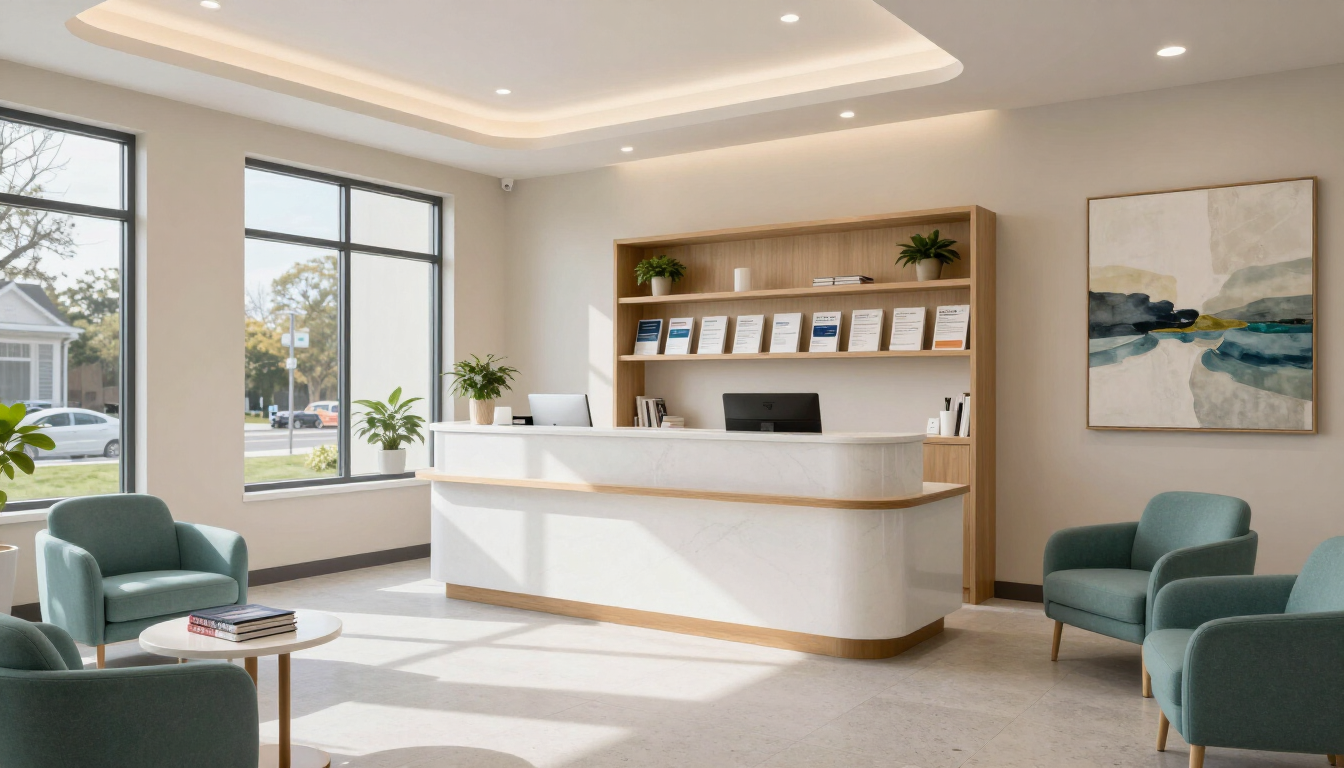
A professional medical screening room in Westport CT for thermography.
September 28, 2026
Learn how to schedule a professional thermography screening in Westport, CT. Our guide covers office visits, preparation protocols, and what to expect during your study.
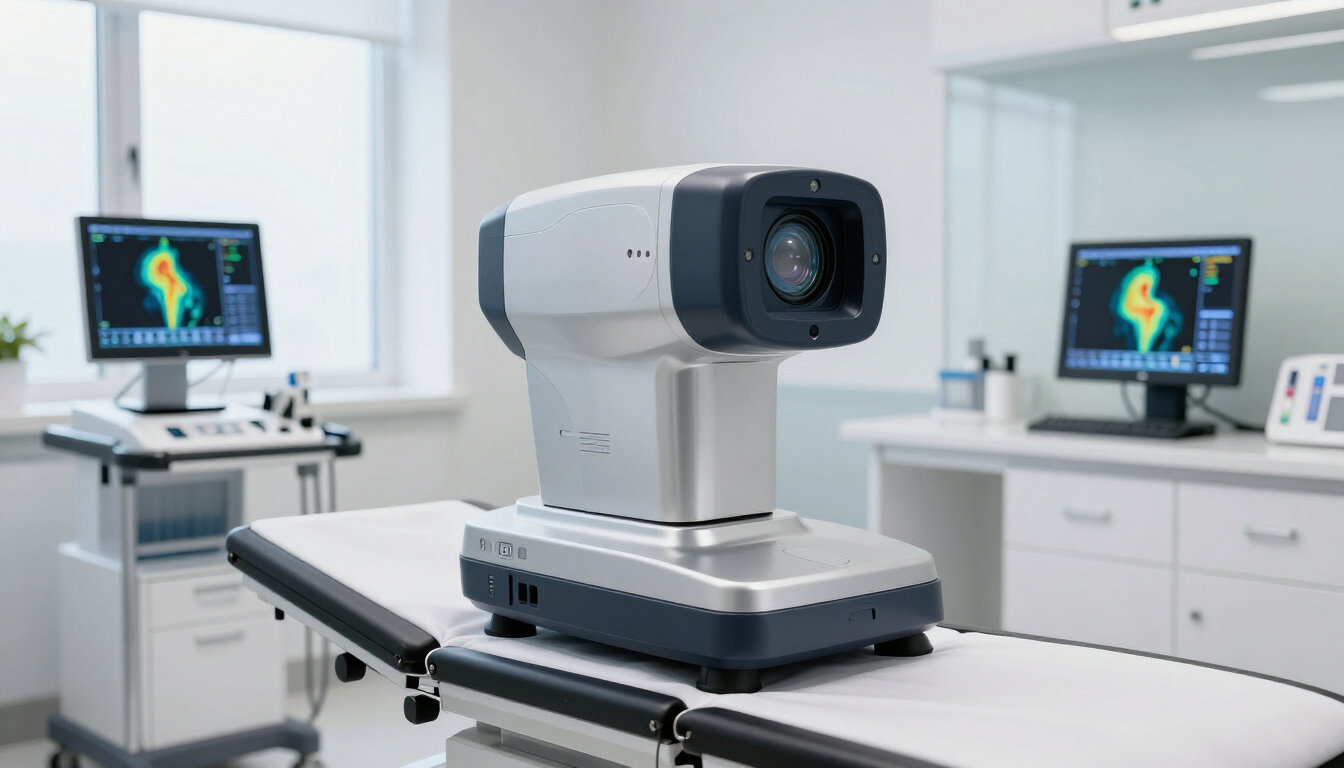
Professional thermal imaging equipment for male health screenings
September 21, 2026
Discover how full body thermography for men provides insights into physiological health and inflammation. No referral needed for these professional screenings.
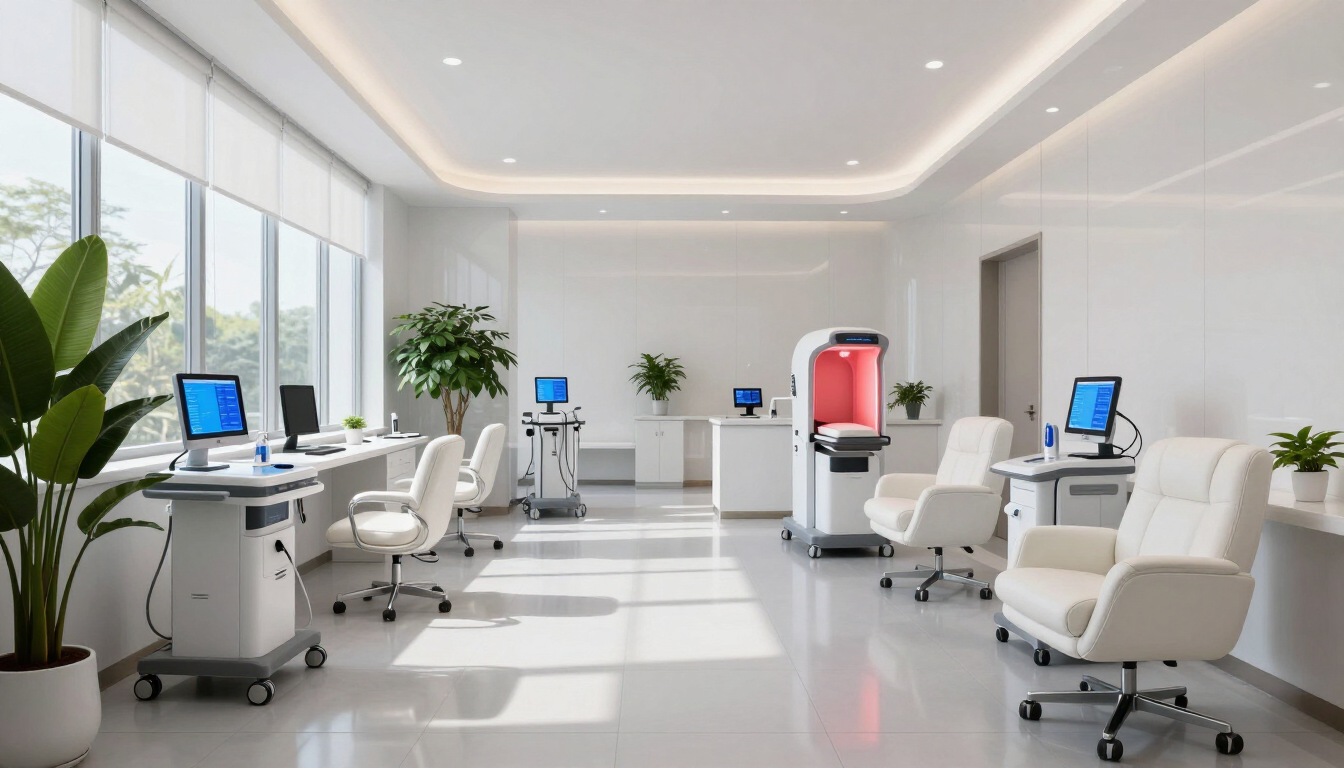
A professional medical thermographer reviewing digital thermal images on a high-resolution screen.
September 14, 2026
Learn why comparison thermography screenings are essential for tracking unique thermal patterns and establishing a stable health baseline over time.

Show More