How to Prepare for Your First Thermography Scan
A first thermography scan creates a personal baseline: a record of your body’s unique thermal patterns at one point in time. A follow-up scan about six months later can show whether those patterns remain stable. The process is comfortable, radiation-free, and designed to provide useful wellness information.
What Is a First Thermography Scan?
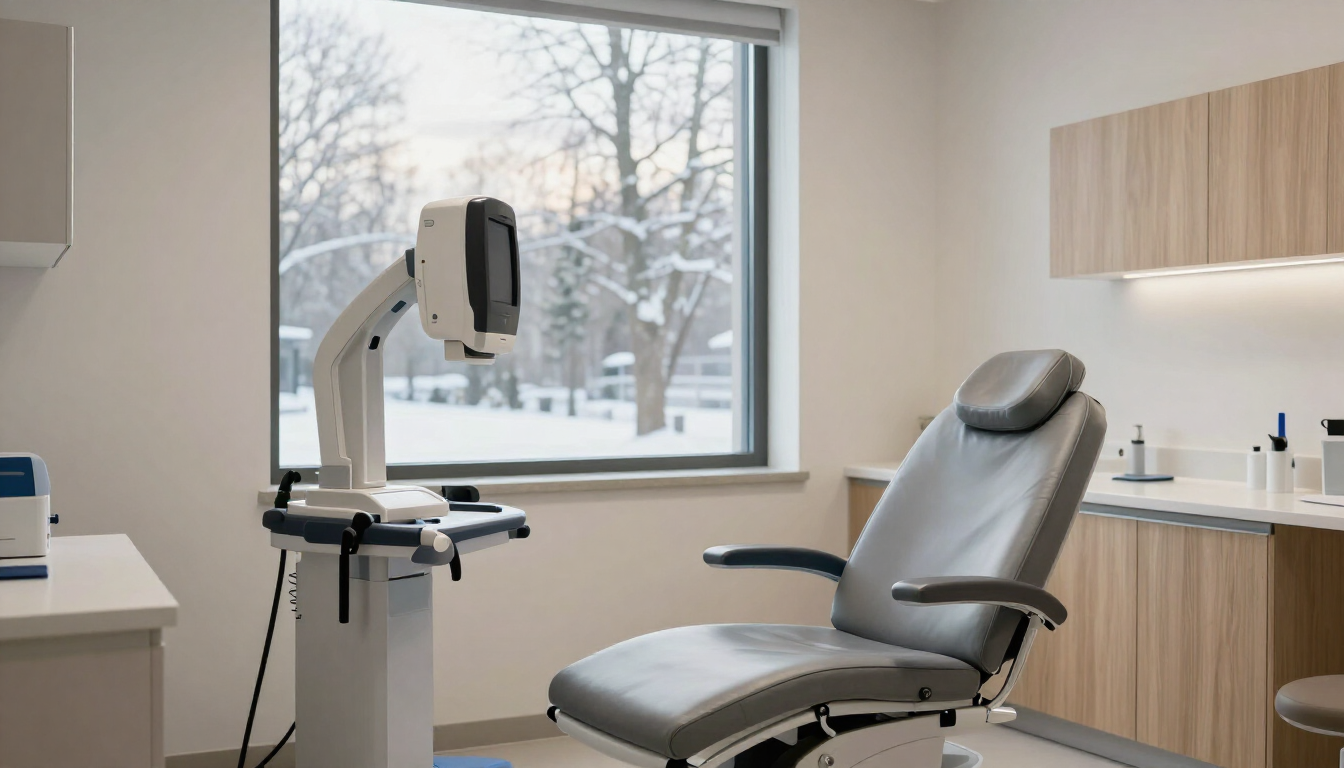
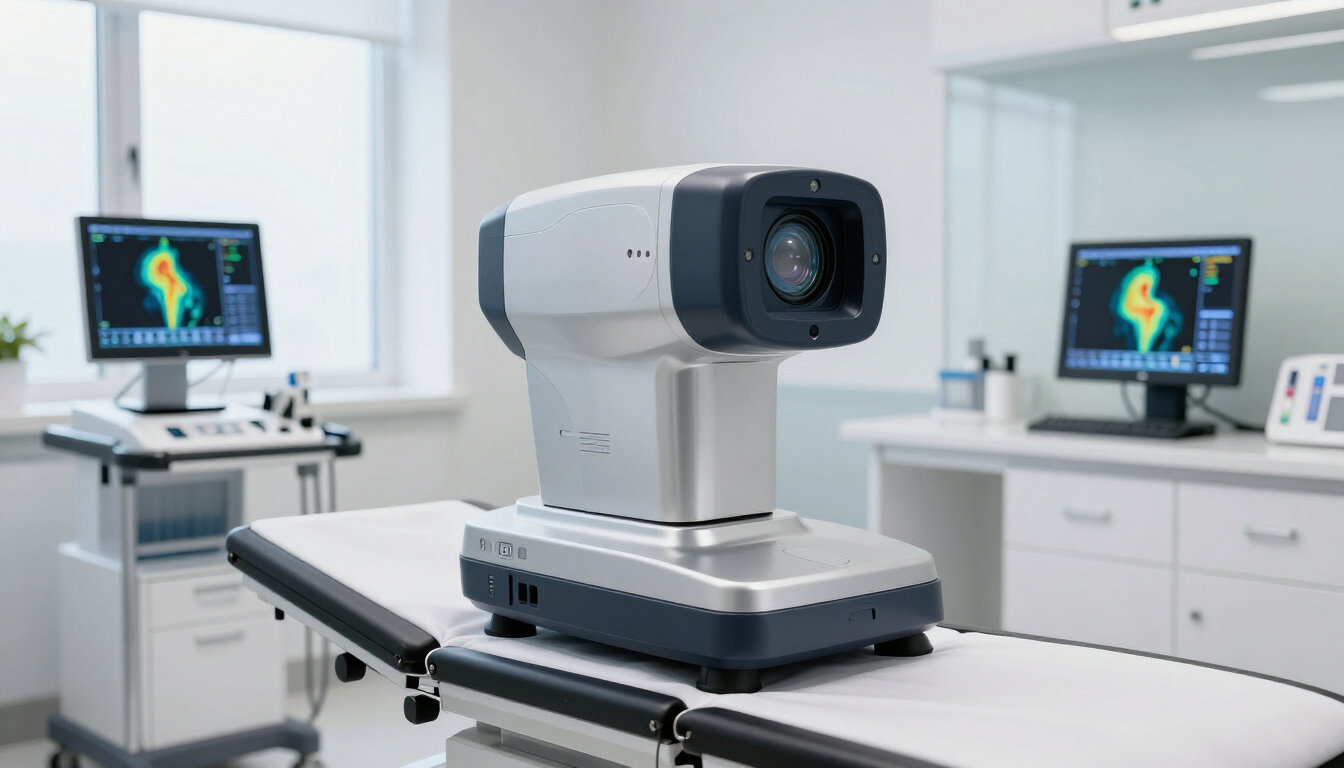
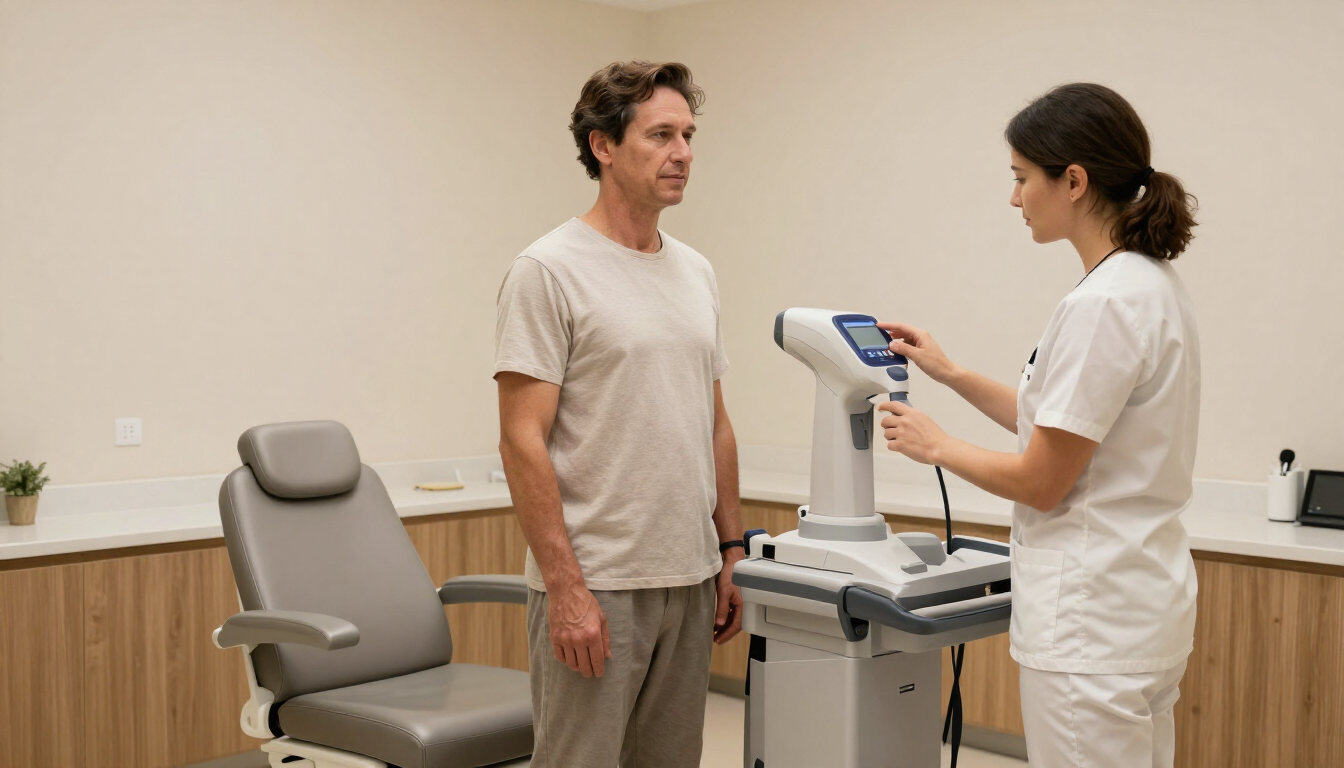
A first thermography scan is a non-invasive imaging appointment that records heat patterns from the body’s surface. At CT Thermography, a certified medical thermographer guides you through the process in a calm, private imaging room.
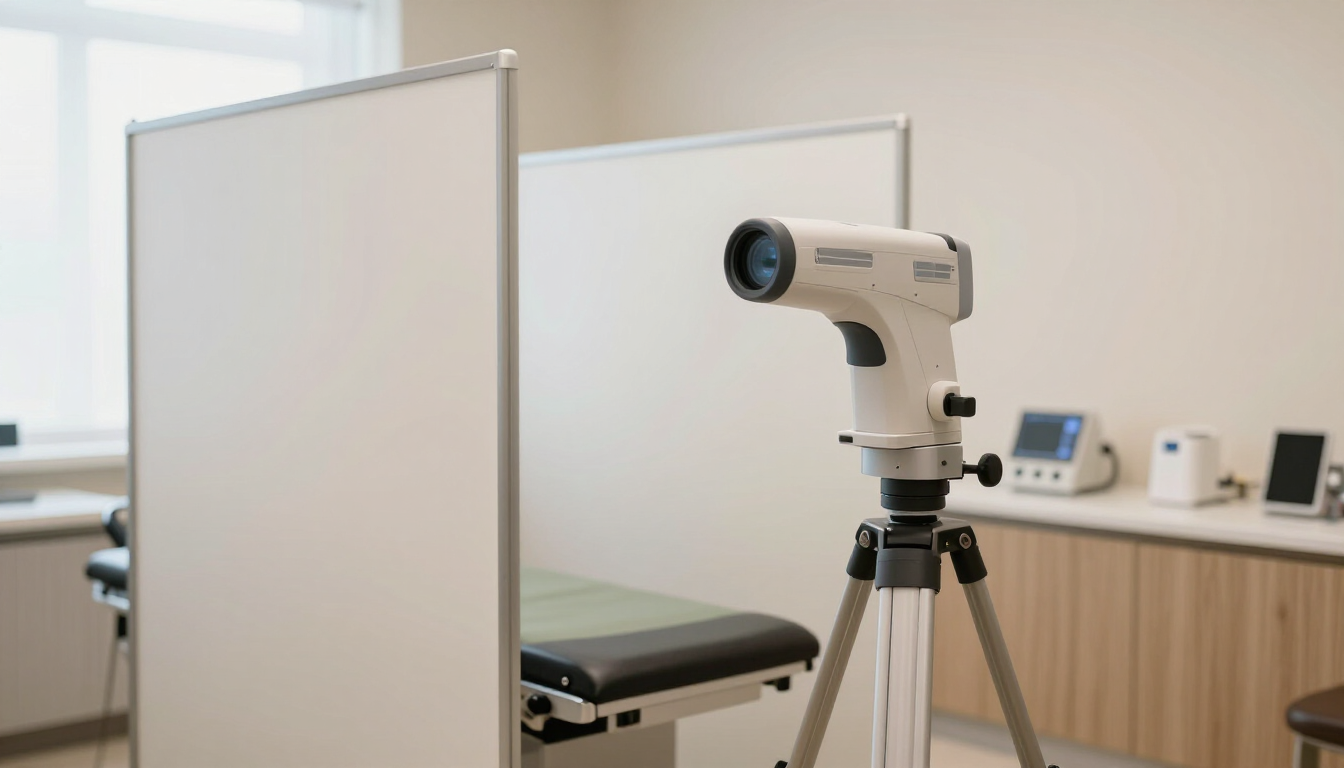
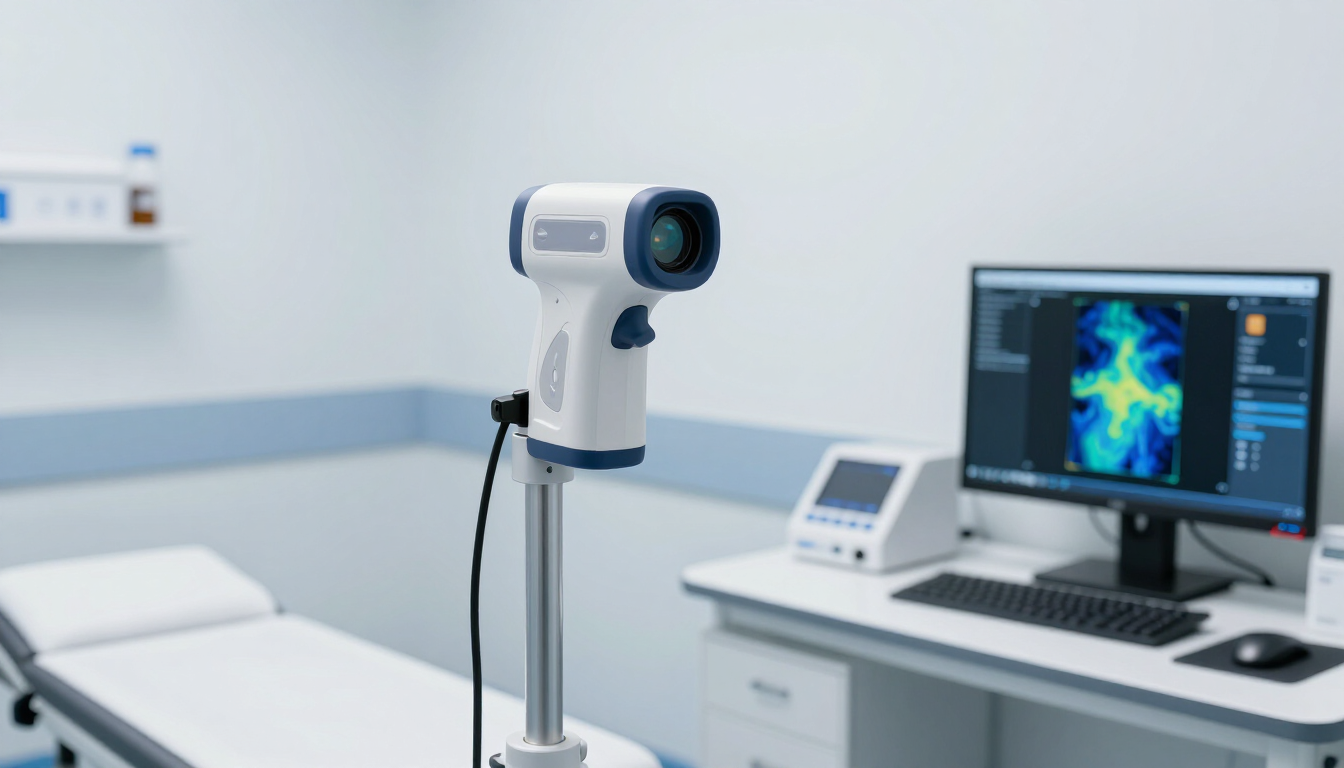
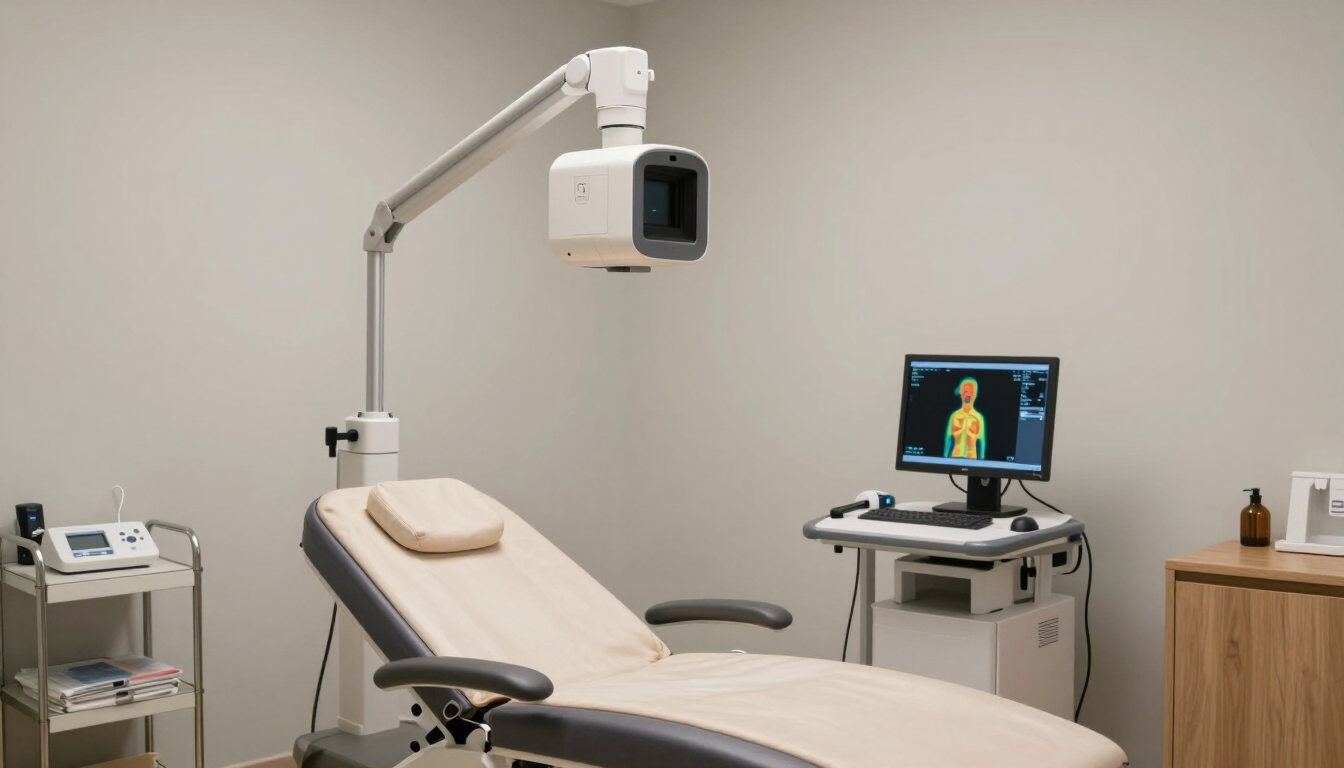
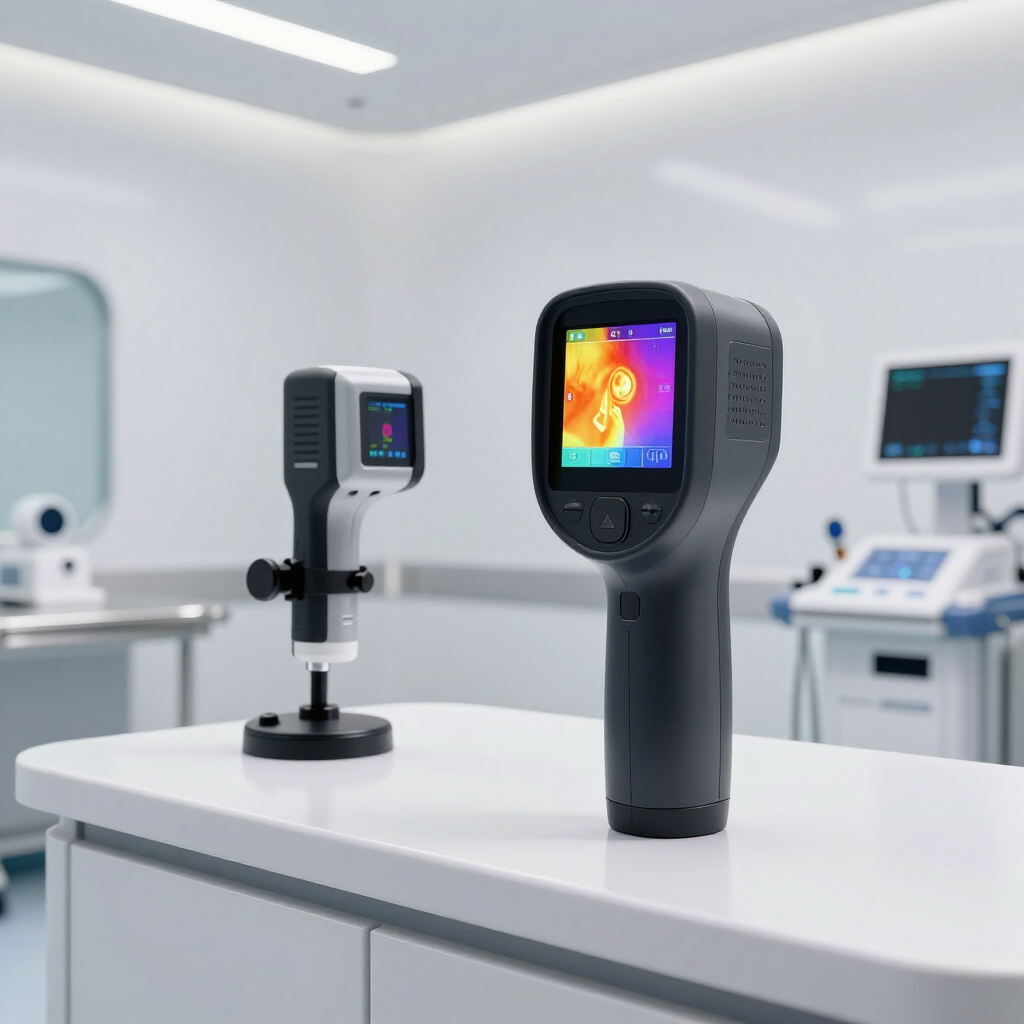
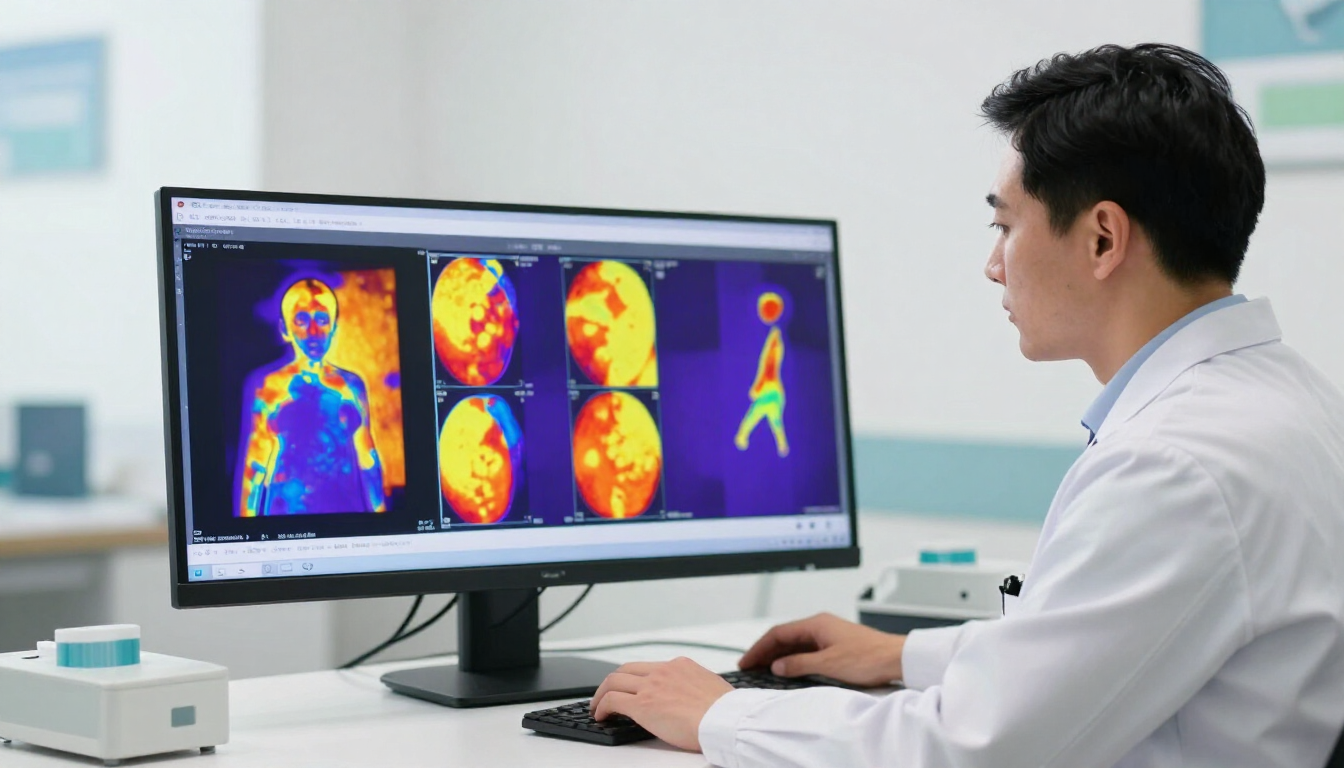
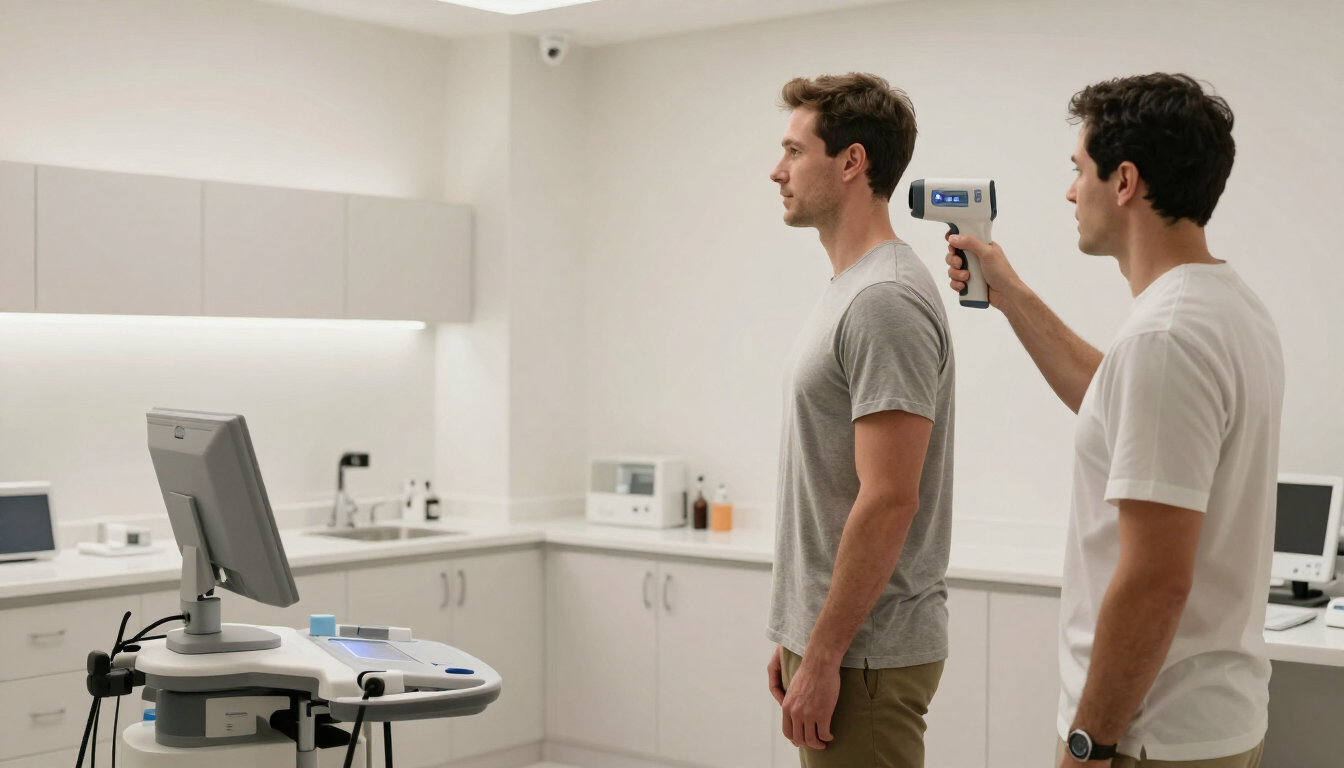
The scan does not involve contact, needles, or radiation. An infrared camera captures thermal images while you stand or sit in a comfortable position. The images are then reviewed and interpreted by board-certified physicians with experience in thermography.
Your first appointment is important because it establishes your personal reference point. Everyone has a different thermal pattern. Factors such as circulation, inflammation, recent activity, stress, and room temperature can influence the images. A baseline gives future studies something meaningful to compare.
Why Is a Baseline Important?
One scan provides a snapshot of your thermal patterns. It may offer useful information about how your body presents on that day, but its greatest value often comes with time.
A comparison scan about six months later can help show whether your patterns are:
- Stable over time
- Different from your original baseline
- Affected by changes in wellness, activity, or routine
- Worth discussing further with your healthcare provider
This comparison-based approach is why scheduling the next appointment matters. Before leaving your first visit, ask the team to book your follow-up scan. Planning ahead makes it easier to keep the timing consistent and supports a clearer comparison.
The goal is not to create worry or make assumptions from a single image. The goal is to establish a calm, organized record that can support informed conversations about your health.
How Should You Prepare for Your First Thermography Scan?
Following the Pre-Screening Protocol helps create the most consistent conditions for your appointment. Preparation is straightforward, but small details can affect thermal patterns.
In general, plan to:
- Follow the office’s instructions before your appointment.
- Avoid strenuous exercise immediately before the scan.
- Arrive with enough time to relax and acclimate to the room.
- Tell the team about relevant recent activities or circumstances.
- Wear clothing that allows the required areas to be imaged comfortably.
Your care team will provide the most specific instructions for your study. If you are unsure whether a recent activity, treatment, or change in routine could affect your appointment, contact the office before arriving.
What Happens During the Appointment?
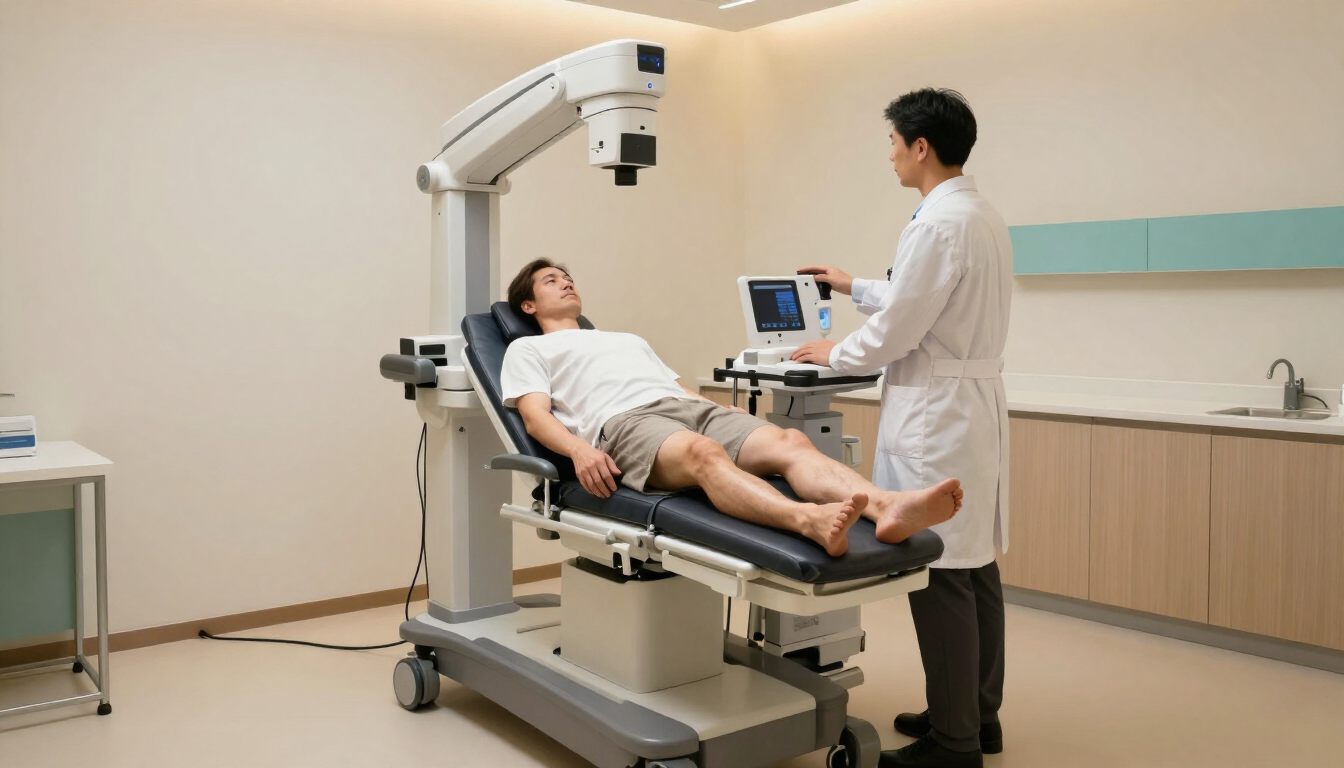
The appointment begins with a brief intake and preparation period. The thermographer explains what will happen, answers questions, and helps you feel comfortable before imaging begins.
You will be positioned so the appropriate areas can be captured by the infrared camera. The process is quiet and touch-free. You may need to remain still for short periods while several views are taken.
The room is designed to support a consistent environment. Allowing your body time to adjust to the room temperature is part of the process. The thermographer may ask you to change position or expose specific areas so the images are complete.
After the imaging is finished, the study is sent for physician interpretation. You can learn more about the overall visit on The Process .
What Should You Expect After the Scan?
Thermography results are reviewed by board-certified physicians. Once your report is available, the office can explain how to access it and where to find supporting information.
The Understanding Your Report page can help you become familiar with the report format. Read it carefully, write down questions, and discuss the findings with your healthcare provider when appropriate.
A report is one part of a broader health conversation. Share relevant medical history and other information with your provider so the results can be considered in context. Avoid drawing conclusions from a single color, image, or phrase without professional guidance.
When Should You Schedule the Follow-Up Scan?
For a useful baseline comparison, the follow-up is generally planned about six months after the first scan. The exact timing may depend on your goals and the recommendations provided by the thermography team.
Booking before you leave has several advantages:
- The appointment is placed on your calendar while the first visit is fresh.
- You are more likely to maintain a similar interval between studies.
- You can ask preparation questions in advance.
- The office can help you choose an appropriate appointment time.
Tell the team if your schedule changes. Keeping the follow-up planned is more important than creating stress around an exact date.
What Can Make Two Scans Easier to Compare?
Consistency supports a clearer review. When possible, try to follow similar preparation instructions for both appointments. Keep notes about factors that may be relevant, such as recent exercise, temporary discomfort, changes in routine, or other circumstances you want the interpreting physician to know.
The thermographer will guide you through the required preparation each time. You do not need to manage the technical side of the imaging yourself.
If you are considering a specific study, CT Thermography offers Breast Thermography , Full Body Thermography , Upper Body Thermography , and Head & Neck Thermography . The right option depends on your goals and the areas you want reviewed.
Common Questions About a First Thermography Scan
Is the scan comfortable?
Yes. Thermography is non-invasive, touch-free, and radiation-free. Most clients find the appointment simple and comfortable.
How long does the appointment take?
Timing varies by the type of study and the preparation required. The office can provide an estimated duration when you schedule.
Do I need to bring anything?
Bring any requested forms and relevant information about recent circumstances that may help the team understand your study. Complete the Intake Form if the office asks you to do so before your visit.
Can I schedule my follow-up before leaving?
Yes. Scheduling the follow-up at the end of your first appointment is encouraged. A scan about six months later provides the planned comparison point for your baseline.
Your Next Step
Your first thermography scan is the starting point for a personal thermal baseline, not a standalone answer. Prepare according to the office instructions, arrive with time to acclimate, and ask questions during the visit. Before leaving, schedule a follow-up scan for about six months later so the two studies can be considered together. If you are ready to plan your appointment, visit Appointments or Contact . Thermography is adjunctive, does not diagnose disease, and does not replace mammography. Discuss all results with your healthcare provider.