How Your Thermographic Images Are Reviewed (in 2026)

June 22, 2026

Share this article

Professional thermographic image interpretation involves a meticulous three-level review conducted by board-certified thermologists. This process ensures data accuracy by utilizing PACT-certified thermographers and FDA 510(k)-cleared equipment. Through strict protocols and annual equipment calibration, these reviews provide high-quality, consistent physiological data to help clients monitor their wellness effectively.

What is the process for thermography image review?

The journey of a thermographic image from the moment of capture to the final report is a structured, multi-step process designed to prioritize data integrity and clinical accuracy. At CT Thermography, the process begins even before you step into the imaging suite. It starts with the Pre-Screening Protocol , which ensures that your body is in a state of thermal equilibrium. When you arrive, the actual imaging is performed by a certified medical thermographer who has been trained to capture high-resolution thermal data according to international standards.

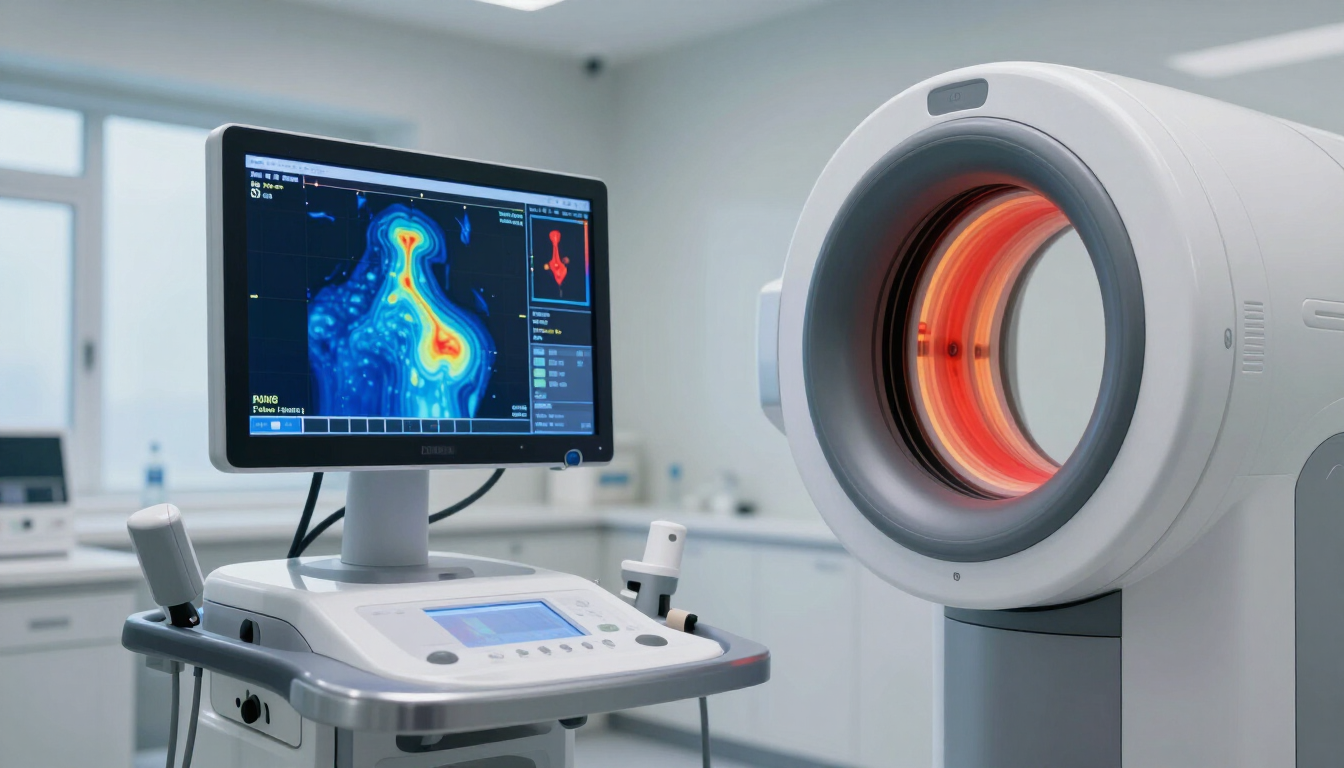
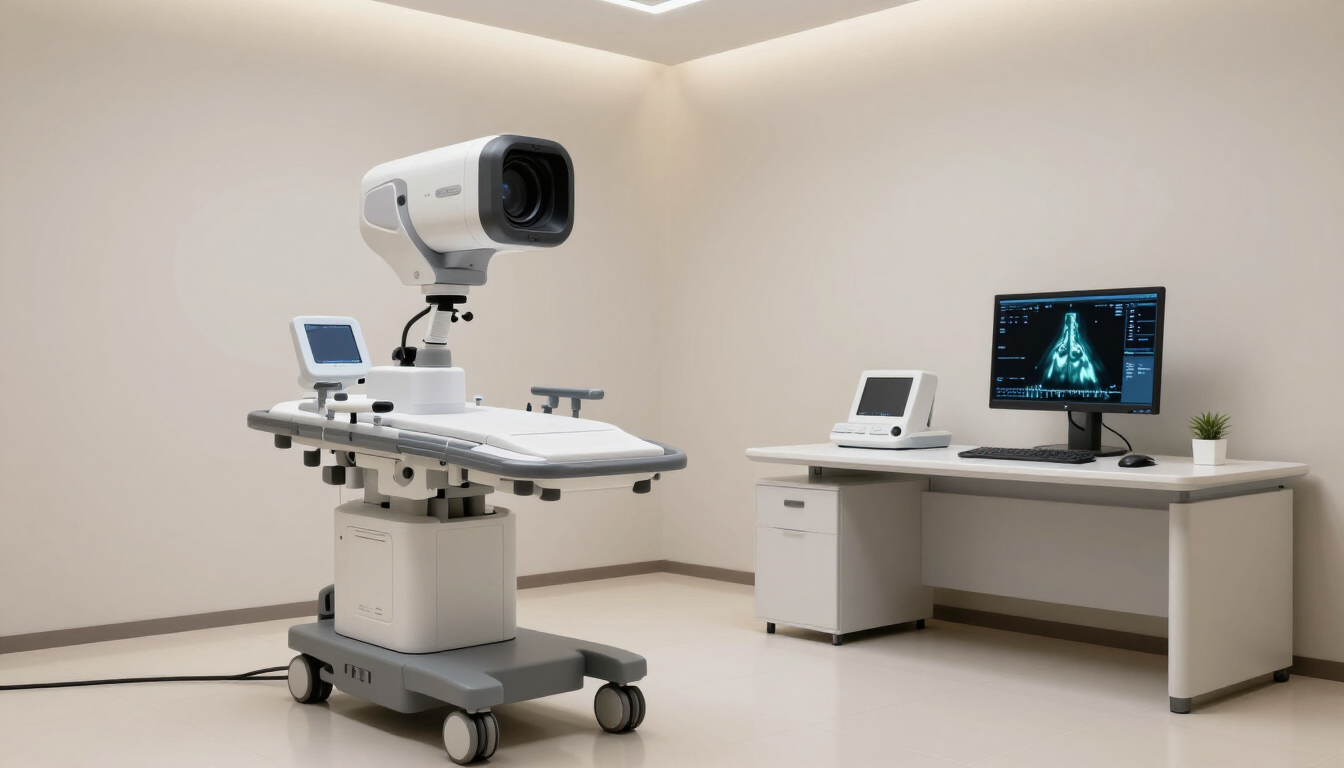
Once the images are captured using our specialized medical-grade infrared cameras, they are not simply looked at by a computer or a general practitioner. Instead, they enter a sophisticated review pipeline. This pipeline is built on the foundation of expert human analysis. The raw data—which consists of thousands of individual temperature points—is uploaded to a secure server where it is accessed by a team of board-certified thermologists. These are medical doctors who have undergone extensive additional training in the physics and clinical application of infrared imaging.

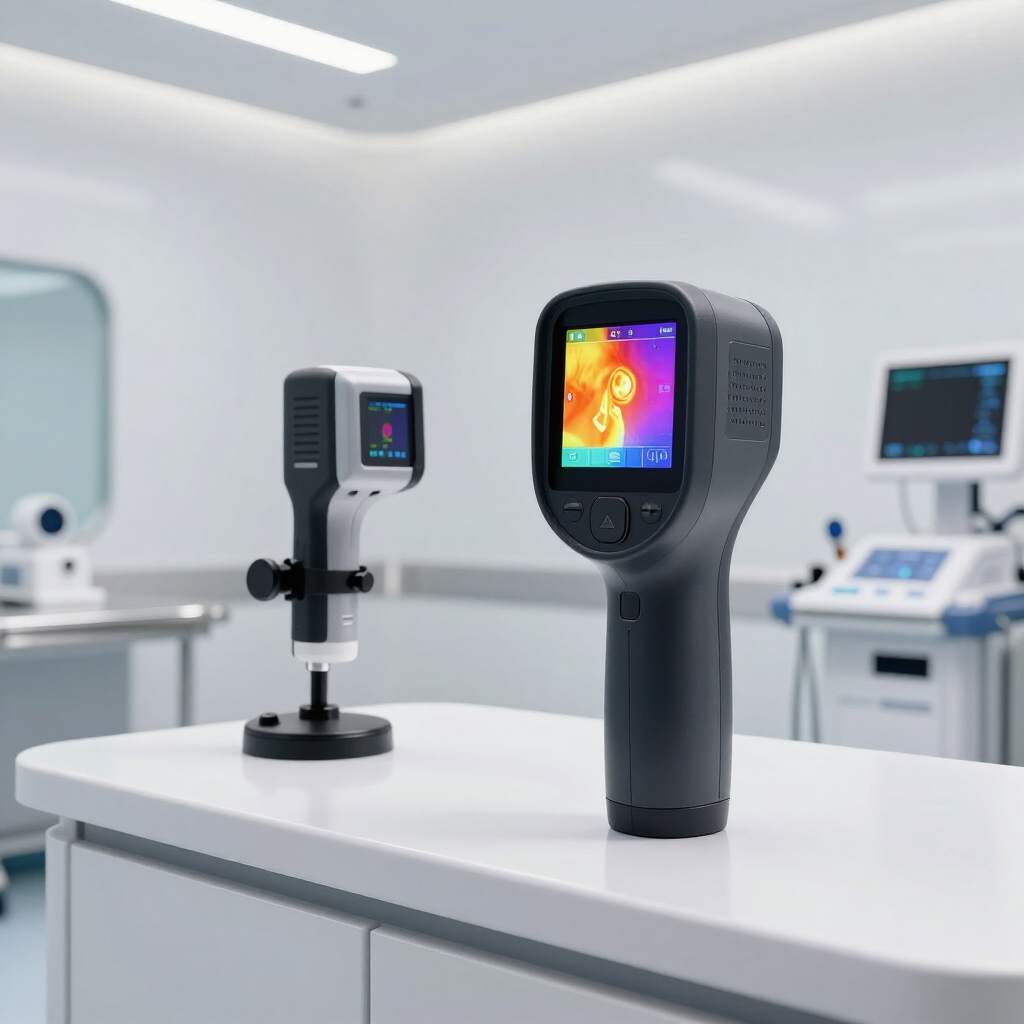
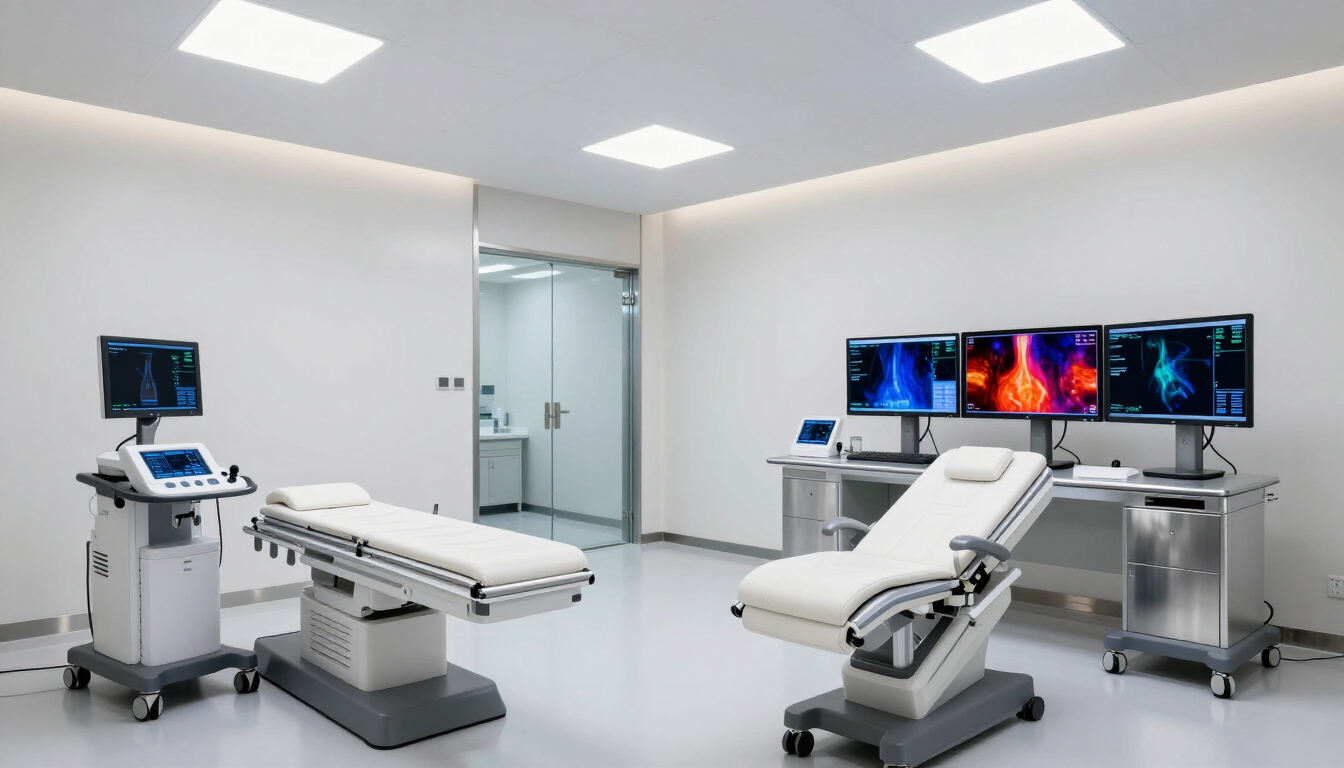
Professional medical thermography workspace

The review process is longitudinal, meaning that if you have had previous scans at our center, the thermologists will compare your current thermal patterns to your past ones. This focus on "change over time" is a cornerstone of professional thermography. By identifying stable patterns versus shifting ones, the review provides a dynamic view of your physiological state. This is why we emphasize the importance of establishing a baseline scan to serve as a reference point for all future screenings.

Why the Three-Level Interpretation Process Matters

To maintain the highest level of professional standards, the interpretation of your thermal data follows a three-level quality control hierarchy. This system is designed to minimize human error and ensure that every subtle thermal shift is noted and categorized correctly. Each level adds a layer of scrutiny that protects the client's interests and ensures the final report is as comprehensive as possible.

  1. Level One: Technical Validation. The first level of review happens at the point of capture. The PACT-certified thermographer checks the images for technical quality, ensuring there are no artifacts, environmental interference, or positioning errors that could skew the data.
  2. Level Two: Primary Interpretation. The images are then sent to a board-certified thermologist. This physician performs the primary analysis, mapping out thermal symmetries and asymmetries across the body. They look for specific vascular signatures and heat patterns that deviate from the expected norm for your age and health history.
  3. Level Three: Senior Peer Review. In many cases, or when specific patterns are identified, a second, more senior thermologist reviews the findings. This peer-review step acts as a safety net, confirming the initial findings and ensuring that the language used in the report is clear and medically sound.

This tiered approach is what separates professional clinical thermography from simple thermal snapshots. It ensures that the information you receive in your final report is based on a consensus of expert opinions rather than a single viewpoint. When you are understanding your report , you can be confident that it has passed through these rigorous gates of validation. This level of oversight is essential because thermography is highly sensitive to environmental and physiological variables, requiring an expert eye to distinguish significant patterns from mere background noise.

Who performs the thermographic imaging?

The quality of a thermographic study is only as good as the person operating the camera. This is why CT Thermography employs PACT-certified thermographers. PACT (Professional Academy of Clinical Thermology) is one of the leading organizations dedicated to setting the standards for how infrared imaging is conducted in a clinical setting.

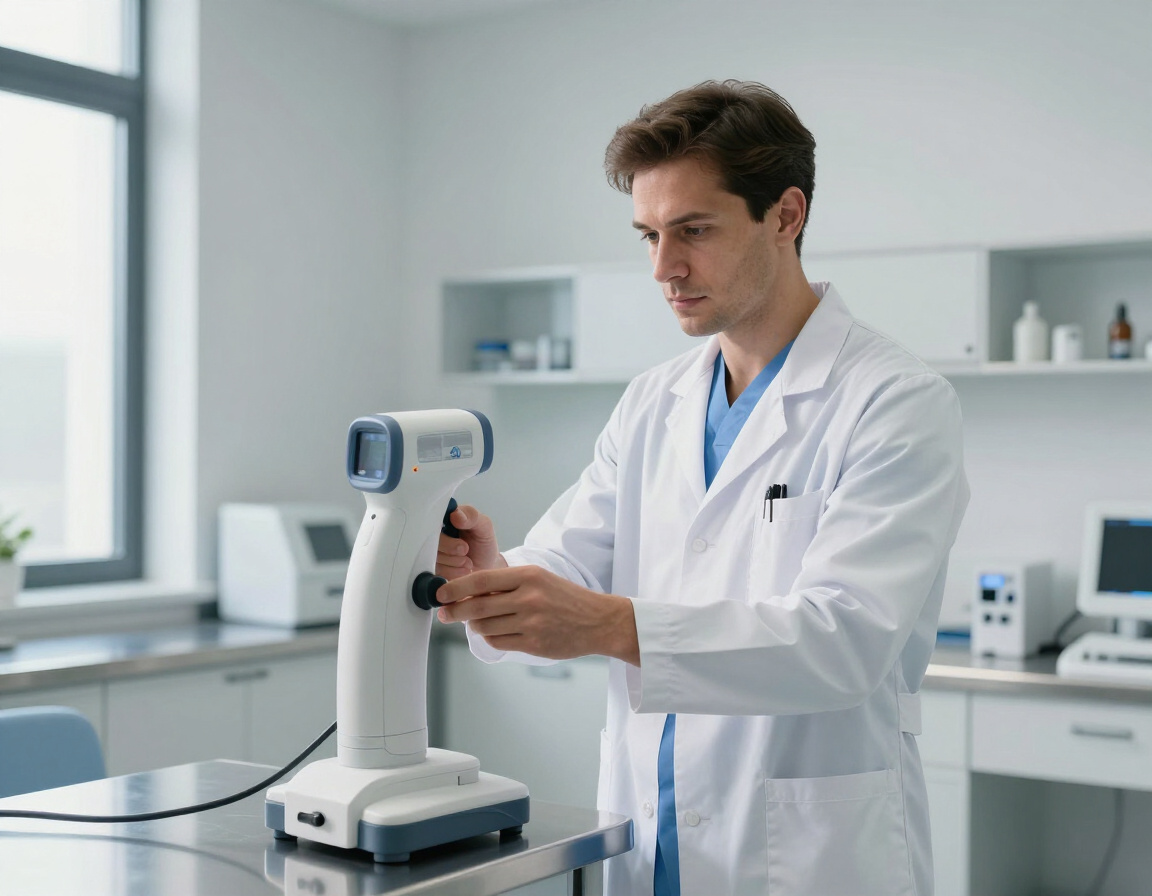
A certified medical thermographer is not just a technician; they are trained professionals who understand the delicate balance of the imaging environment. They manage the room temperature, humidity, and airflow to ensure that the body’s heat radiation is captured accurately without outside interference. They also guide you through the imaging process with a conversational and professional demeanor, ensuring you are comfortable and positioned correctly for every required angle.

Certified thermographer using medical infrared camera

Choosing a certified professional ensures that the images sent to the thermologists are of the highest possible quality. Without proper training, a technician might miss subtle positioning errors that could hide important thermal data or create "false" heat patterns. By working with a PACT-certified professional, you are ensuring that your thermography session meets the highest industry benchmarks for reliability. This certification represents a commitment to ongoing education and adherence to a strict code of ethics and practice.

Is thermography equipment calibrated for accuracy?

One of the most overlooked aspects of high-quality thermography is the equipment itself. At CT Thermography, we utilize FDA 510(k)-cleared equipment. This designation means that the device has been reviewed by the FDA for its safety and its intended use as an adjunctive imaging tool. However, having high-end equipment is only half of the equation; maintaining it is equally vital.

Medical-grade infrared cameras must be calibrated annually to ensure their sensors remain accurate to within a fraction of a degree. Over time, all sensors can experience "drift," where their readings become slightly less precise. Annual calibration involves sending the camera back to the manufacturer or a certified calibration laboratory where it is tested against known heat sources. This ensures that a reading of 98.6 degrees on the camera actually corresponds to 98.6 degrees in reality.

In addition to annual calibration, our equipment undergoes daily self-tests. This technical rigor is necessary because even a small inaccuracy in temperature measurement can change the interpretation of a thermal pattern. When you visit us for full-body thermography or upper-body thermography , you are being screened with technology that is maintained to the same standards as other high-level medical diagnostic tools. This commitment to technical excellence ensures that the data we provide to the interpreting physicians is reliable and reproducible.

The Importance of Consistency in Health Monitoring

Consistency is the secret to getting the most value out of thermography. Because thermography tracks physiological changes rather than anatomical structures, it is most effective when used as a long-term monitoring tool. This is why we follow identical protocols for every session. From the temperature of the room to the distance between you and the camera, every variable is controlled to ensure that today's images can be accurately compared to images taken a year or two from now.

When the interpreting thermologists look at your history, they are looking for your "thermal signature." Much like a fingerprint, every person has a unique and relatively stable thermal pattern. Significant deviations from this baseline are what prompt the thermologist to recommend a closer look or a follow-up screening. Without consistent imaging conditions and professional review, it would be impossible to tell if a change in a thermal pattern was due to a change in your health or simply a change in the room's air conditioning.

By prioritizing consistency, we help our clients move from reactive health management to proactive wellness monitoring. Whether you are interested in head & neck thermography or breast thermography , the goal remains the same: to provide you with a clear, consistent, and professional window into your body's physiological activity over time. This approach empowers you with information that can be discussed with your primary healthcare provider as part of a comprehensive wellness plan.

Summary of Professional Thermography Standards

Understanding how your thermographic images are reviewed is essential for any health-conscious individual. By choosing a center that employs board-certified physicians and certified technicians, you ensure that your health data is handled with the highest degree of medical expertise. Professional thermography is defined by its commitment to quality at every stage: from the environment where the images are taken to the final peer-reviewed report.

  • Expert Review: Every study is interpreted by board-certified physicians (thermologists).
  • Certified Staff: Imaging is performed by PACT-certified medical thermographers.
  • Validated Technology: We use only FDA 510(k)-cleared infrared cameras.
  • Technical Precision: Equipment is calibrated annually for pinpoint accuracy.
  • Standardized Protocol: Strict environmental controls ensure consistent, comparable results.

If you are ready to gain deeper insight into your health through professional infrared imaging, you can about us to learn more about our team or go ahead and book your session through our appointments page. Taking control of your wellness starts with high-quality information, and our three-level review process is designed to give you exactly that.

Disclaimer: Digital Infrared Thermal Imaging (DITI) is an adjunctive imaging procedure and is not intended to be used as a standalone screening tool. Thermography is not a replacement for any other form of medical imaging and is used to provide additional physiological information to your healthcare provider. All thermographic studies at CT Thermography are interpreted by board-certified physicians, but they do not constitute a medical diagnosis. Always consult with your primary care physician regarding any health concerns or before making changes to your healthcare regimen.

Recent Posts

A private medical imaging room for thermography in Westport, CT.
August 6, 2026
A comprehensive guide on what to expect during your thermography appointment in Westport, CT. Learn about our private, temperature-controlled imaging process.
Modern thermography clinic suite in Connecticut
July 27, 2026
Discover how adjunctive thermal imaging enhances integrative care. Learn about PACT-certified screenings and physician-led reporting for Connecticut practitioners.
Professional thermography imaging equipment on a tripod in a clinic.
July 20, 2026
Explore the different thermography imaging options including breast, head and neck, upper body, and full body screenings to determine which best fits your wellness goals.
A clean and professional thermography imaging room at CT Thermography.
July 13, 2026
A comprehensive guide to full body thermography for men. Learn about the non-invasive imaging scope—from head to testicular health—and the appointment flow at CT Thermography.
A patient reviewing their thermography report on a laptop computer.
July 6, 2026
Learn what to expect in your thermography report, from clinical impressions to secure portal delivery. This guide helps you prepare for discussions with your provider.

Modern and professional thermography imaging room.
June 8, 2026
Learn why a baseline scan and comparison imaging are essential in medical thermography for monitoring stable thermal patterns and proactive wellness.
A private, professional thermography screening room at CT Thermography.
May 4, 2026
Curious about your first breast thermography appointment? Learn about the private, contact-free process, imaging angles, and how you receive your wellness report.
A calm person preparing for a wellness screening with a glass of water.
April 6, 2026
Follow this professional thermography preparation checklist to ensure accurate imaging results. Learn why skin temperature and hydration matter for your screening protocol.
A clean and professional thermography imaging room setup.
March 9, 2026
Learn exactly what happens during your first thermography appointment. Walk through the intake process, room acclimation, and contact-free imaging for a stress-free experience.
Breast Thermography as a Non-Invasive Option for Monitoring Breast Health
By CT Thermography July 1, 2025
Discover how breast thermography offers a safe, non-invasive way for women to monitor their breast health and detect potential issues early.
Show More