
Full Body Thermography for Men: What to Expect

July 13, 2026

Share this article

Full body thermography for men is a non-invasive, radiation-free screening tool that maps heat patterns across the entire body to identify areas of inflammation, vascular activity, or nerve involvement. This proactive health assessment provides a visual physiological baseline, helping men monitor wellness and address potential health concerns early.

What does a full body thermography scan for men cover?

When you schedule a Full Body Thermography session, the imaging scope is comprehensive, covering every major region from the top of the head to the tips of the toes. Unlike structural imaging which looks at anatomy, thermography looks at function and physiology. For men, this means we are observing the metabolic and circulatory activity within the skin and subcutaneous tissues.

Head and Neck Imaging

The scan begins with a detailed assessment of the head and neck. This includes the forehead, sinuses, and the carotid artery regions. We also look closely at the thyroid area and the dental/jaw regions. Thermal patterns in these areas can offer insights into sinus congestion, dental inflammation that may not yet be causing pain, and vascular patterns related to the carotid arteries.

Chest and Abdominal Coverage

Moving down, the chest and abdomen are significant focuses. For men, imaging the chest can reveal thermal asymmetries or inflammatory patterns that warrant further investigation. In the abdominal region, the thermographer captures images that reflect the activity of the digestive system and other internal organs as they manifest thermally on the skin’s surface. This provides a broad view of the metabolic state of the midsection.

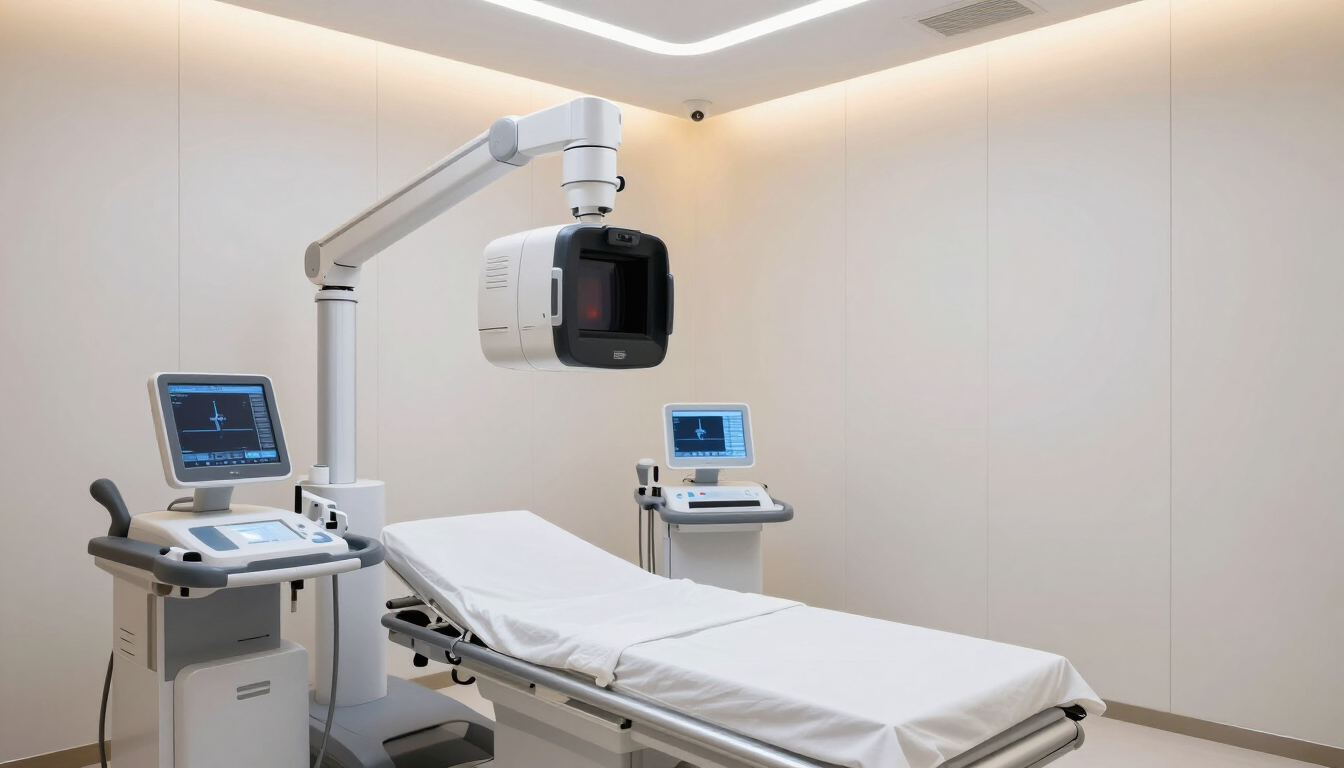
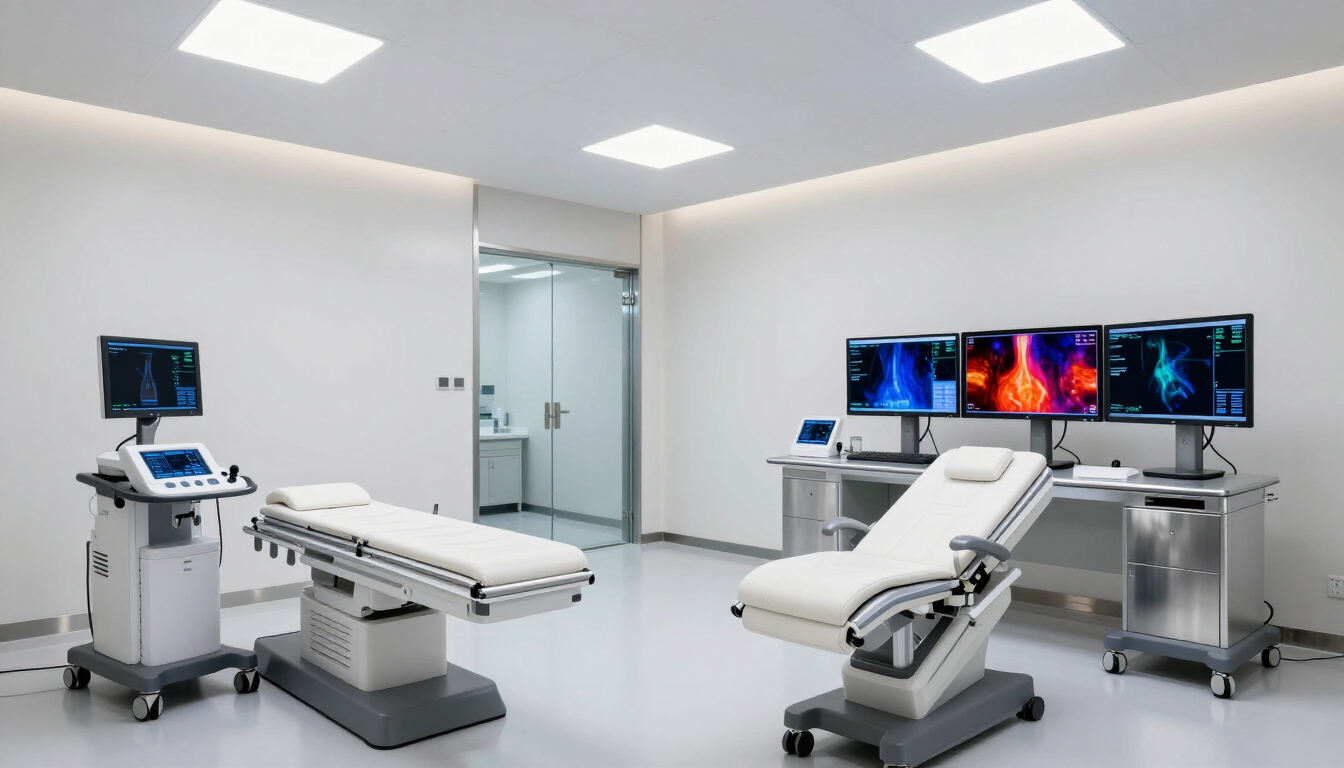
Professional thermography imaging room setup

How does the screening cover the back, limbs, and reproductive health?

A complete Full Body Thermography study ensures that no area is left unobserved. This holistic approach is essential for men who are active, athletes, or those dealing with chronic discomfort that structural tests may have missed.

Back and Spinal Assessment

The back is imaged in sections—upper, middle, and lower. This is particularly useful for identifying nerve root irritation or muscular inflammation. By seeing the heat patterns along the spine, a thermographer can help identify exactly where stress is being placed on the body, even if the pain is radiating elsewhere.

Arms, Legs, and Extremities

Imaging the arms and legs is about more than just muscles; it is about circulation. We look for thermal signatures that might indicate vascular concerns or localized inflammation in the joints like the knees, ankles, elbows, and wrists. For many men, especially those who stay active, understanding these patterns is key to long-term mobility.

Testicular Imaging

Specific to the male full-body study is the inclusion of the testicular region. Thermal imaging can identify vascular changes or inflammatory activity in the scrotum and testicles. This is a completely non-contact, non-invasive way to gain insight into reproductive health. The process is conducted with the utmost privacy and professional decorum, ensuring the client feels comfortable throughout the brief imaging sequence.

Why is a full body approach better than regional scans?

While we offer Upper Body Thermography and Head & Neck Thermography , many men find that a full-body scan provides the most value. This is because the body is an interconnected system. Inflammation in one area can often be linked to vascular patterns in another. By choosing the full-body option, you receive a "heat map" of your entire physiological state, which serves as a vital baseline for future comparisons.

What is the appointment flow for a thermography session?

At CT Thermography, we prioritize a calm and stress-free environment. Many clients ask if they need a doctor's referral to book an appointment. The answer is no; you do not need a referral to take charge of your proactive health. You can simply reach out to our team or use our Intake Form to get started.

Step 1: The Pre-Screening Protocol

Before you arrive, it is important to follow the Pre-Screening Protocol . This involves avoiding heavy exercise, sun exposure, and certain lotions or deodorants on the day of the scan. These steps ensure that the skin temperature remains stable and reflects your true internal physiology rather than external environmental factors.

Step 2: Acclimatization

When you enter our imaging room, you will be given time to acclimate to the temperature of the room. This usually takes about 15 minutes. During this time, you will change into a gown. This acclimatization period is crucial because it allows your body's surface temperature to reach an equilibrium with the controlled environment of the clinic, ensuring the accuracy of the infrared camera.

Step 3: The Imaging Process

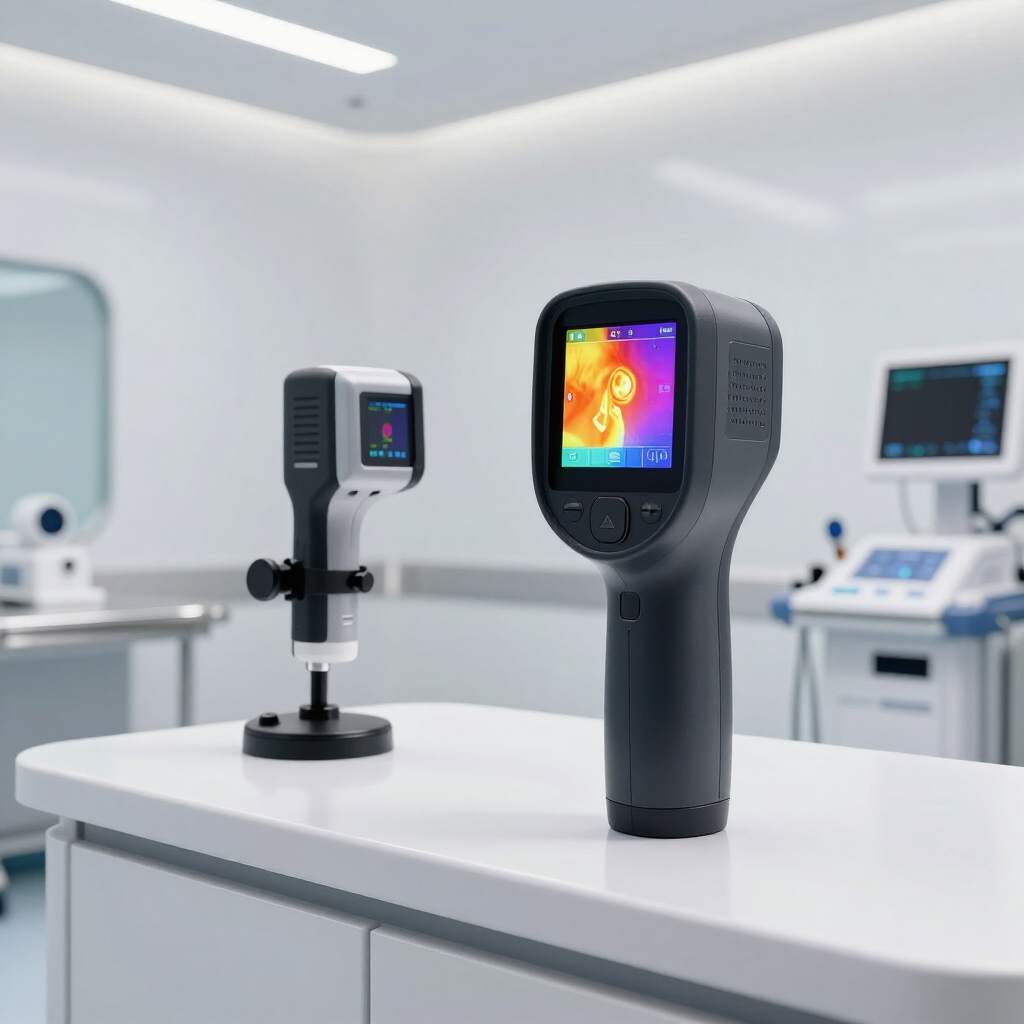
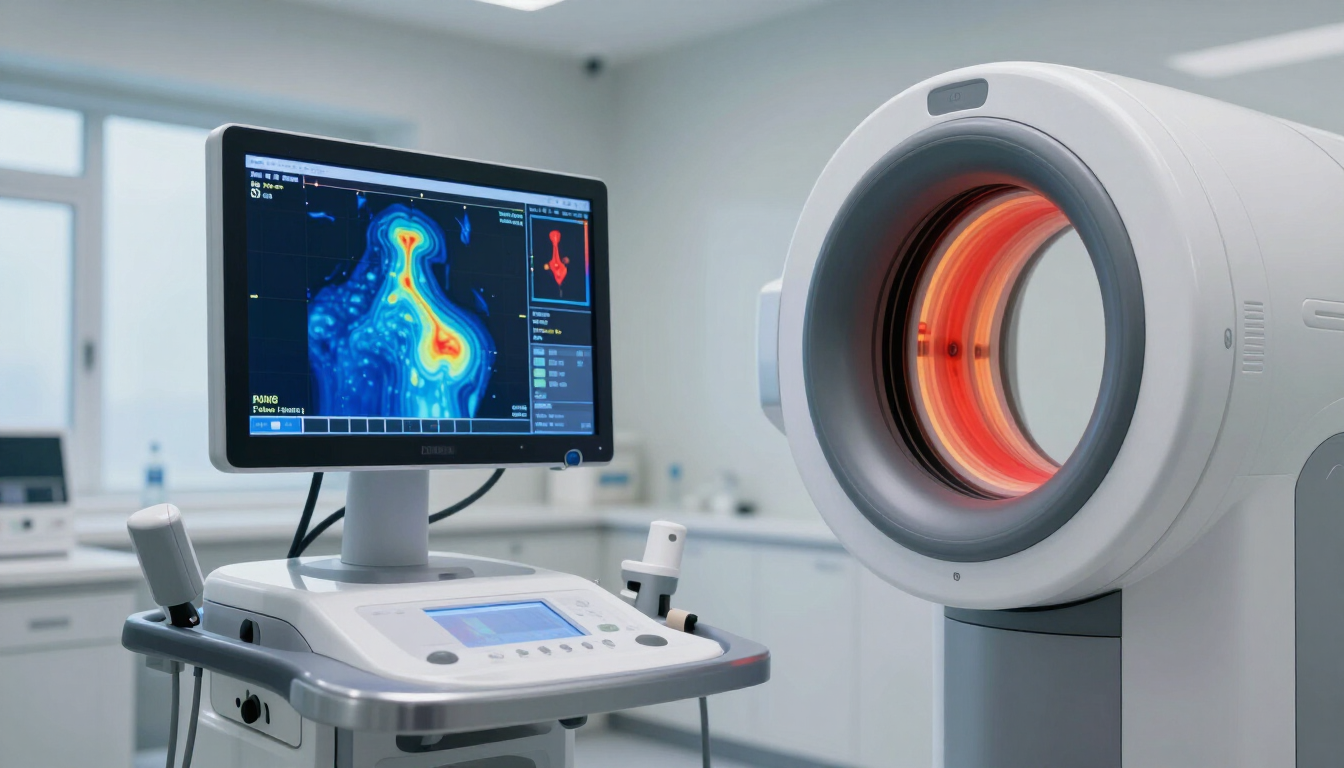
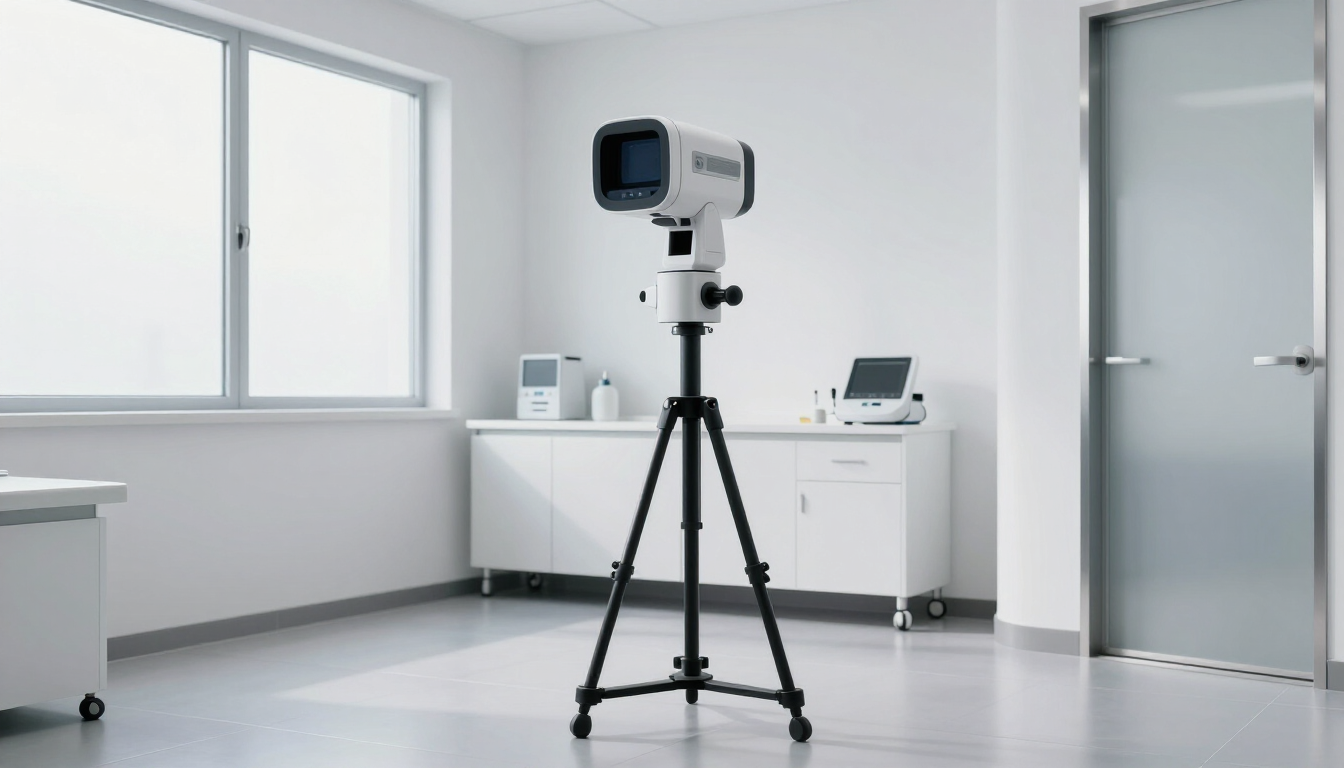
The Process itself is quick and entirely non-invasive. You will stand in various positions while the certified medical thermographer captures digital infrared images. There is no contact, no pressure, and no radiation. The camera simply records the heat naturally emitting from your body.

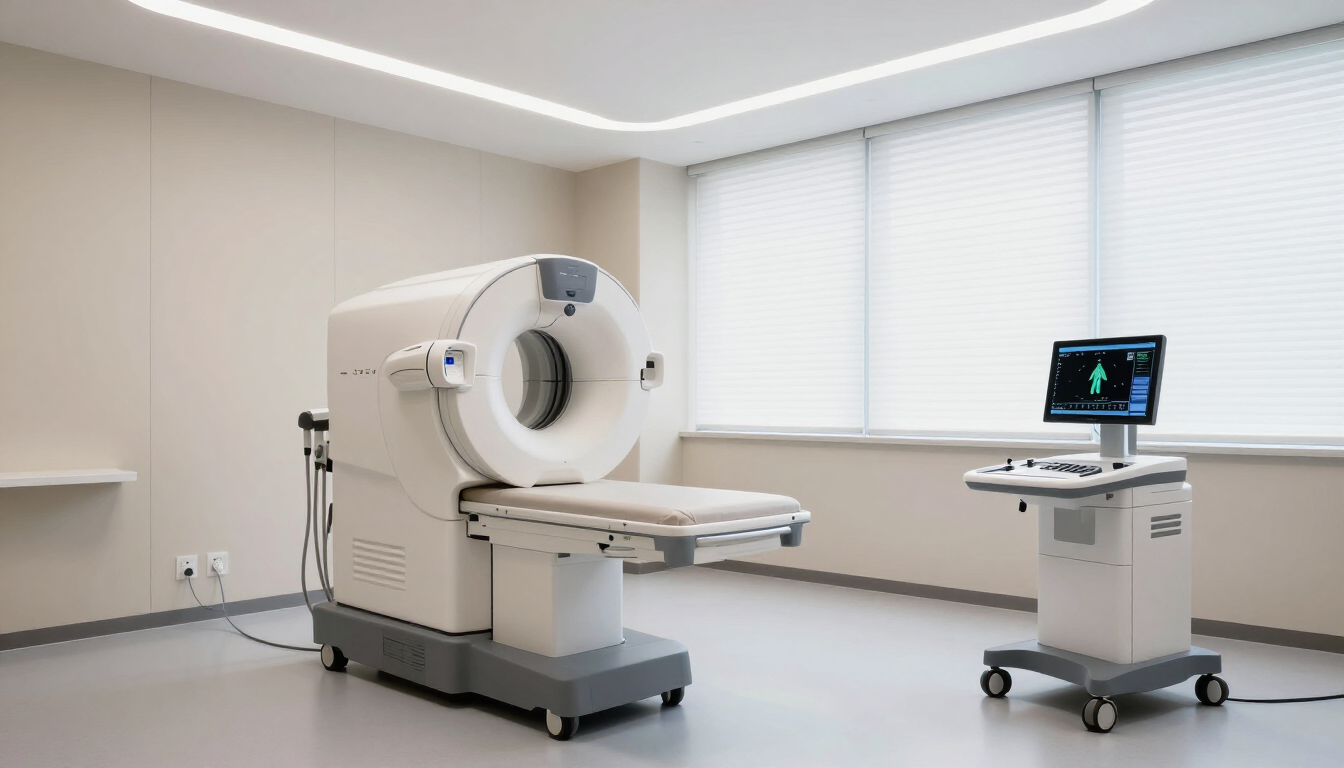
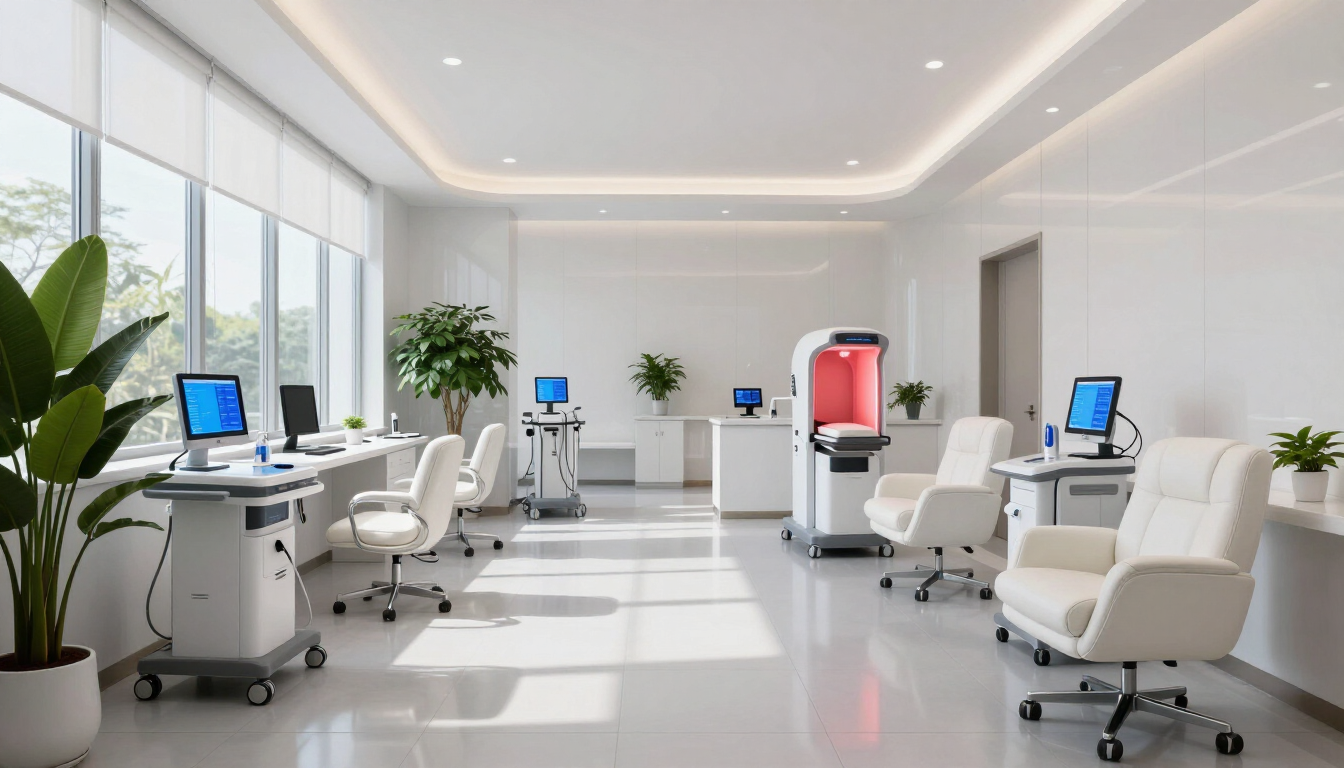
A serene and professional clinical environment for thermal imaging

How are thermal images reviewed and reported?

Once the imaging is complete, the data is sent for professional analysis. At CT Thermography, every study is interpreted by board-certified physicians who specialize in thermography. These experts review the thermal patterns, looking for symmetries, gradients, and specific markers that provide insight into your health status.

Professional Interpretation

The reviewing physician provides a comprehensive report. This is not just a collection of images; it is a detailed analysis that explains what the thermal patterns suggest. If they see areas of high heat or significant cooling, they will note these findings for your consideration.

Understanding Your Results

After your report is ready, you will have the opportunity for Understanding Your Report . The goal is to provide you with actionable information that you can share with your primary care provider or use to adjust your wellness routine. Because thermography is a functional test, it often provides the "missing piece" in a client’s health puzzle.

Conclusion: Taking Control of Your Health

Thermography offers men a unique, safe, and detailed way to look at their health from the inside out. By focusing on thermal patterns and physiological changes, it provides a layer of insight that traditional structural imaging cannot. Whether you are focused on sports recovery, cardiovascular health, or general wellness, a full-body scan is a powerful tool in your proactive health toolkit.

Key Takeaways for Men:

  • Comprehensive Scope: Covers head, neck, chest, abdomen, back, limbs, and testicular health.
  • Non-Invasive: No radiation, no contact, and no pain involved in the screening.
  • No Referral Needed: You can book directly and take immediate action on your wellness goals.
  • Expert Review: All results are interpreted by board-certified physicians for reliable insights.
  • Baseline Data: Establishes a permanent thermal record to monitor changes over time.

Ready to see what your body is telling you? You can book your session through our Appointments page or Contact our clinic with any questions. We are here to support your journey toward better health through advanced thermal imaging.

Note: Thermography is an adjunctive imaging procedure and is not intended to replace any other primary diagnostic or screening tests. It is used as a functional tool to provide additional insight into your health alongside traditional medical evaluations.

Recent Posts

A private medical imaging room for thermography in Westport, CT.
August 6, 2026
A comprehensive guide on what to expect during your thermography appointment in Westport, CT. Learn about our private, temperature-controlled imaging process.
Modern thermography clinic suite in Connecticut
July 27, 2026
Discover how adjunctive thermal imaging enhances integrative care. Learn about PACT-certified screenings and physician-led reporting for Connecticut practitioners.
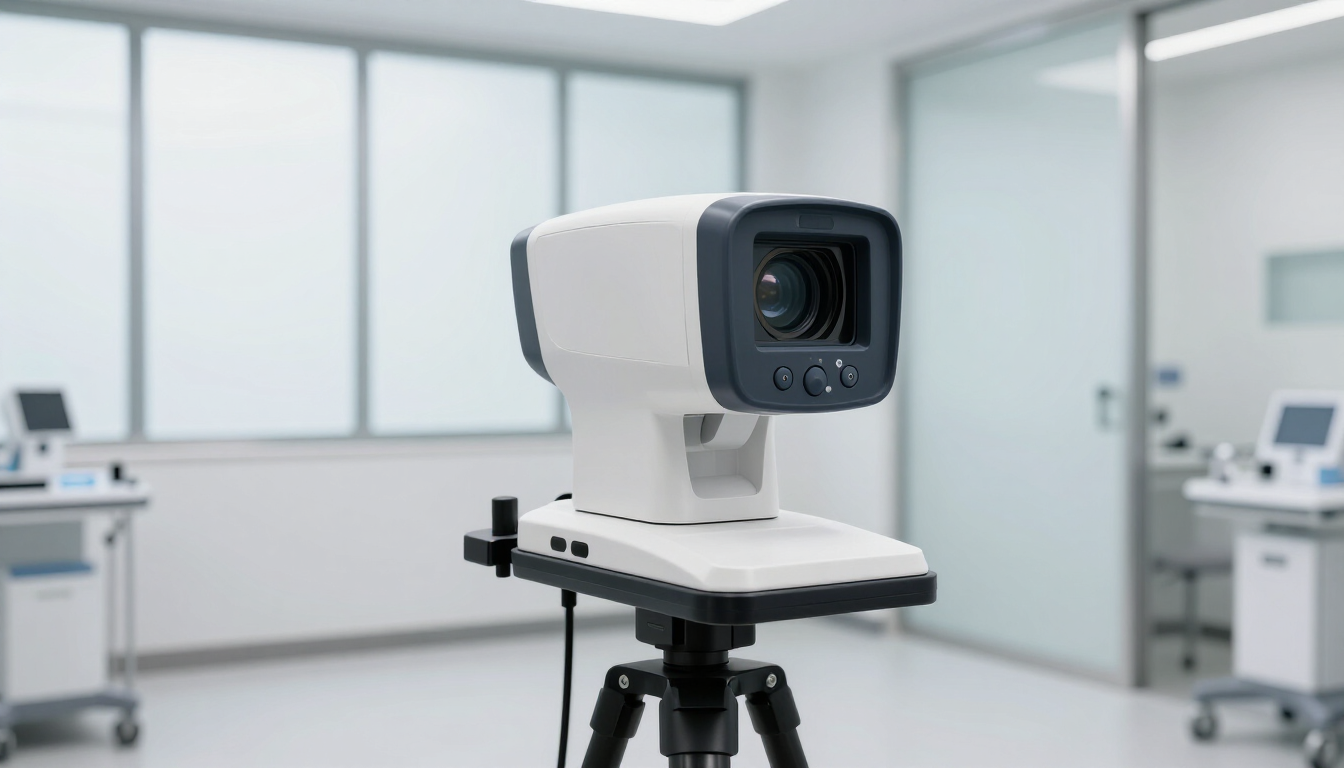
Professional thermography imaging equipment on a tripod in a clinic.
July 20, 2026
Explore the different thermography imaging options including breast, head and neck, upper body, and full body screenings to determine which best fits your wellness goals.

A patient reviewing their thermography report on a laptop computer.
July 6, 2026
Learn what to expect in your thermography report, from clinical impressions to secure portal delivery. This guide helps you prepare for discussions with your provider.
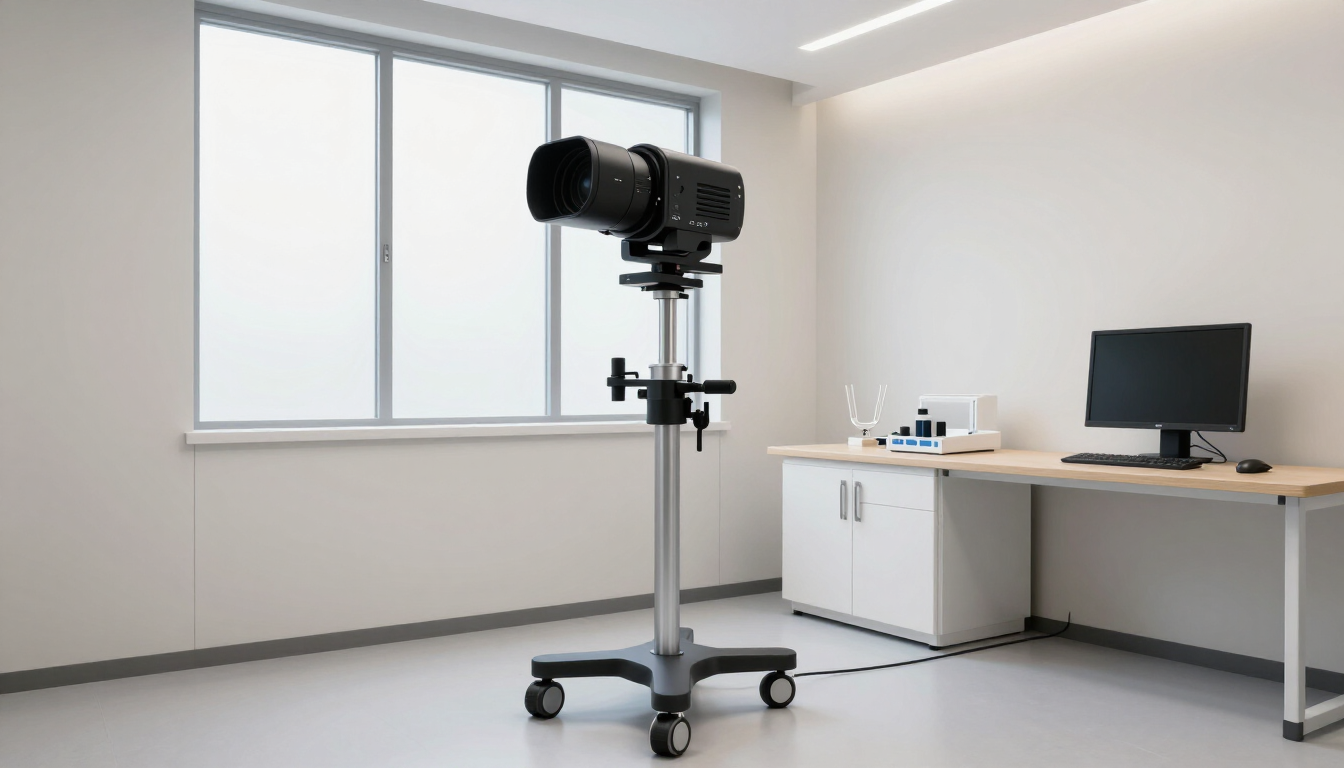
Professional medical thermography imaging setup with infrared camera and monitors.
June 22, 2026
Learn how CT Thermography uses a three-level interpretation process by board-certified thermologists and FDA 510(k)-cleared equipment for quality results.

Modern and professional thermography imaging room.
June 8, 2026
Learn why a baseline scan and comparison imaging are essential in medical thermography for monitoring stable thermal patterns and proactive wellness.
A private, professional thermography screening room at CT Thermography.
May 4, 2026
Curious about your first breast thermography appointment? Learn about the private, contact-free process, imaging angles, and how you receive your wellness report.
A calm person preparing for a wellness screening with a glass of water.
April 6, 2026
Follow this professional thermography preparation checklist to ensure accurate imaging results. Learn why skin temperature and hydration matter for your screening protocol.
A clean and professional thermography imaging room setup.
March 9, 2026
Learn exactly what happens during your first thermography appointment. Walk through the intake process, room acclimation, and contact-free imaging for a stress-free experience.
Breast Thermography as a Non-Invasive Option for Monitoring Breast Health
By CT Thermography July 1, 2025
Discover how breast thermography offers a safe, non-invasive way for women to monitor their breast health and detect potential issues early.
Show More