Choosing Thermography Imaging Options: A Guide
Thermography imaging options include targeted breast screenings, head and neck scans, upper body assessments, and comprehensive full-body studies. These non-invasive sessions use specialized infrared cameras to map heat patterns, providing physiological data that helps you and your healthcare provider monitor wellness and identify areas of active thermal change.
What is covered in a Breast Thermography screening?
When you select a Breast Thermography screening, the focus is entirely on the chest and the surrounding lymphatic regions. This specific imaging option is designed to visualize the thermal activity of the breast tissue itself, but it extends beyond the immediate curves of the breasts to provide a complete physiological picture. The certified thermographer ensures that the imaging includes the axillary region—the area under the arms—where many lymph nodes are located. This is essential because the lymphatic system plays a significant role in fluid drainage and immune response in the chest area.
The boundaries for this scan typically start just below the collarbone and extend down to the lower ribcage. It also wraps around to the sides of the chest to capture the tissue that extends toward the back. By focusing on this specific region, the scan provides high-resolution data regarding vascular activity and surface temperature symmetry. Because the human body is generally symmetrical, thermographers look for patterns where one side differs significantly from the other.
This imaging choice is often favored by those looking for a localized assessment. It is a focused study that allows for a detailed view of the skin's thermal emissions in a controlled environment. The session is quick and entirely contact-free, maintaining complete privacy while capturing the necessary data points for your physician to review. It is an excellent starting point for those new to this technology who wish to establish a baseline for their chest health. Your provider can use these baseline images to monitor for any shifts in thermal patterns over time, providing a proactive way to oversee your wellness.
What regions are included in a Head and Neck scan?
A Head & Neck Thermography study is a specialized option that focuses on the complex physiological activity occurring from the top of the head down to the base of the neck. This region is dense with vital structures, including the sinuses, the thyroid gland, the carotid arteries, and the dental regions. When a client chooses this scan, the thermographer captures images from multiple angles—front-on, profiles, and sometimes oblique views—to ensure every area is documented.
The scope of this imaging includes:
- The forehead and sinus regions for mapping temperature distributions.
- The area around the eyes and temples.
- The jawline and dental areas to visualize thermal signatures related to oral health.
- The thyroid region at the base of the throat.
- The carotid artery pathways on both sides of the neck.
This scan is particularly useful for those who want to look at the thermal activity associated with the lymphatic drainage of the face and neck. It also provides insights into the thermal symmetry of the facial nerves and the musculature of the neck and upper shoulders. By visualizing how heat is distributed across these regions, your healthcare provider can better understand your physiological state. For example, patterns in the sinus or dental areas may correlate with other wellness concerns your provider is tracking. This targeted approach ensures that the most active areas of the head and neck are captured with precision, providing a roadmap of thermal activity for further professional consultation.
Understanding the Upper Body Thermography scope
The Upper Body Thermography assessment is a more comprehensive option that bridges the gap between a localized scan and a full-body study. This imaging scope covers everything from the top of the head down to the pubic bone. It is essentially a "torso and up" screening that provides a broad view of the body’s most active internal systems as reflected on the skin's surface.
During an upper body session, the imaging includes the head and neck, the breasts or chest area, the full abdomen, and the entire back. This means it captures the thermal patterns of the organs located in the chest and abdominal cavities, including the lungs, heart region, liver, stomach, and intestines. While thermography does not see the organs themselves, it visualizes the heat radiating to the skin’s surface, which can be influenced by the metabolic and vascular activity of the structures beneath.
This option also includes the upper and lower back, covering the spine and the large muscle groups of the posterior torso. It is a popular choice for individuals who want to monitor their overall systemic wellness without the need for a full-body scan. By including the abdomen, the upper body scan offers a look at the digestive and reproductive areas, which are often regions of interest for those seeking a holistic view of their health. The process is thorough, involving a series of images taken from the front, back, and sides to ensure that the entire trunk of the body is mapped. This level of detail allows for a complex analysis of how different systems may be interacting thermally, providing your healthcare team with a wealth of physiological data to incorporate into your wellness plan.
What is included in a Full Body Thermography assessment?
The Full Body Thermography assessment is the most extensive imaging option available, providing a complete "head-to-toe" thermal map of the entire body. This study includes every region covered in the head and neck, breast, and upper body scans, but adds the extremities—the arms, hands, legs, and feet. This comprehensive approach is ideal for establishing a total-body baseline, which serves as a permanent medical record of your unique thermal fingerprint.
The regions mapped in a full body scan include:
- The head, neck, and facial regions.
- The full torso, including the chest and abdomen.
- The entire back from the cervical spine to the tailbone.
- The upper extremities, including shoulders, arms, wrists, and hands.
- The lower extremities, including hips, legs, knees, ankles, and feet.
By including the arms and legs, this scan allows the thermographer to visualize thermal patterns related to the peripheral nervous system and the circulatory system in the limbs. It can be particularly insightful for monitoring the symmetry of the joints, such as the knees or ankles, and the vascular activity in the lower legs. A full body study is often recommended for those who are focused on long-term prevention and want the most complete data set possible. It offers a global perspective on your physiology, allowing you and your provider to see how different parts of the body might be compensating for one another. This holistic view is a powerful tool for wellness management, as it captures the interplay of thermal activity across all major regions of the body in a single, non-invasive session.
How do you choose the right scan with your healthcare provider?
Choosing among these thermography imaging options is a collaborative process that should involve your healthcare provider. While the choice often depends on your personal wellness goals, there are specific factors to consider. If you have a specific area of concern, such as localized discomfort or a history of thermal shifts in a particular region, a targeted scan like the breast or head and neck study might be the most logical starting point. These scans offer the highest level of focused detail for those specific anatomical areas.
However, if your goal is more general wellness monitoring or if you are working with a functional medicine practitioner who takes a systemic approach to health, an upper body or full body scan may be more appropriate. These broader scans help identify patterns that might not be visible when looking at only one area. For example, thermal activity in the neck might be related to patterns found in the upper back or chest.
When discussing these options with your doctor, consider the following:
- Your current wellness priorities and any areas of interest.
- Whether you are establishing a new baseline or following up on a previous study.
- The recommendations of your primary care physician or specialist.
- Your desire for a localized versus a systemic physiological overview.
- The frequency with which you plan to monitor your thermal patterns.
Your certified thermographer can also explain the process in detail to help you feel comfortable with whichever option you select. By understanding the scope of each scan, you can make an informed decision that aligns with your proactive health strategy. Once you have decided, you can easily schedule your appointments to begin your wellness journey.
The Precision of Professional Imaging Equipment
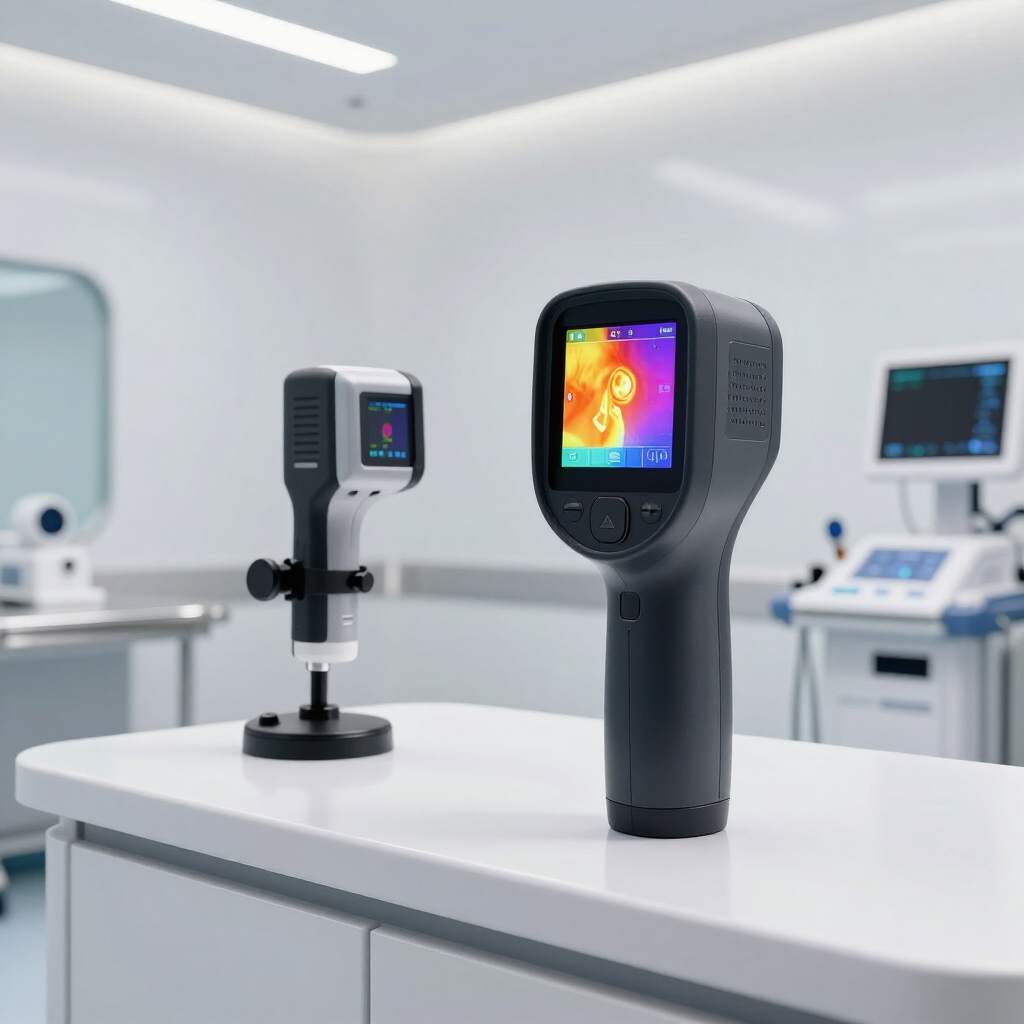
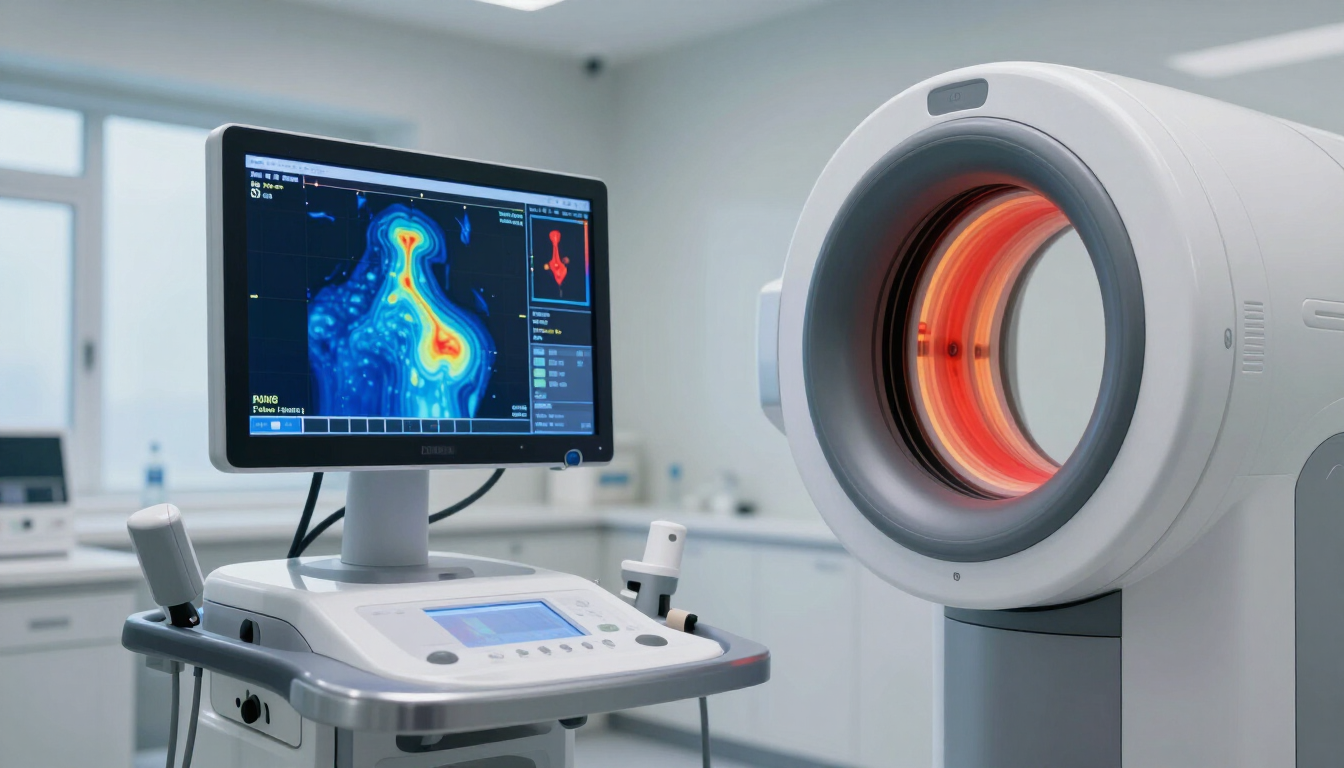
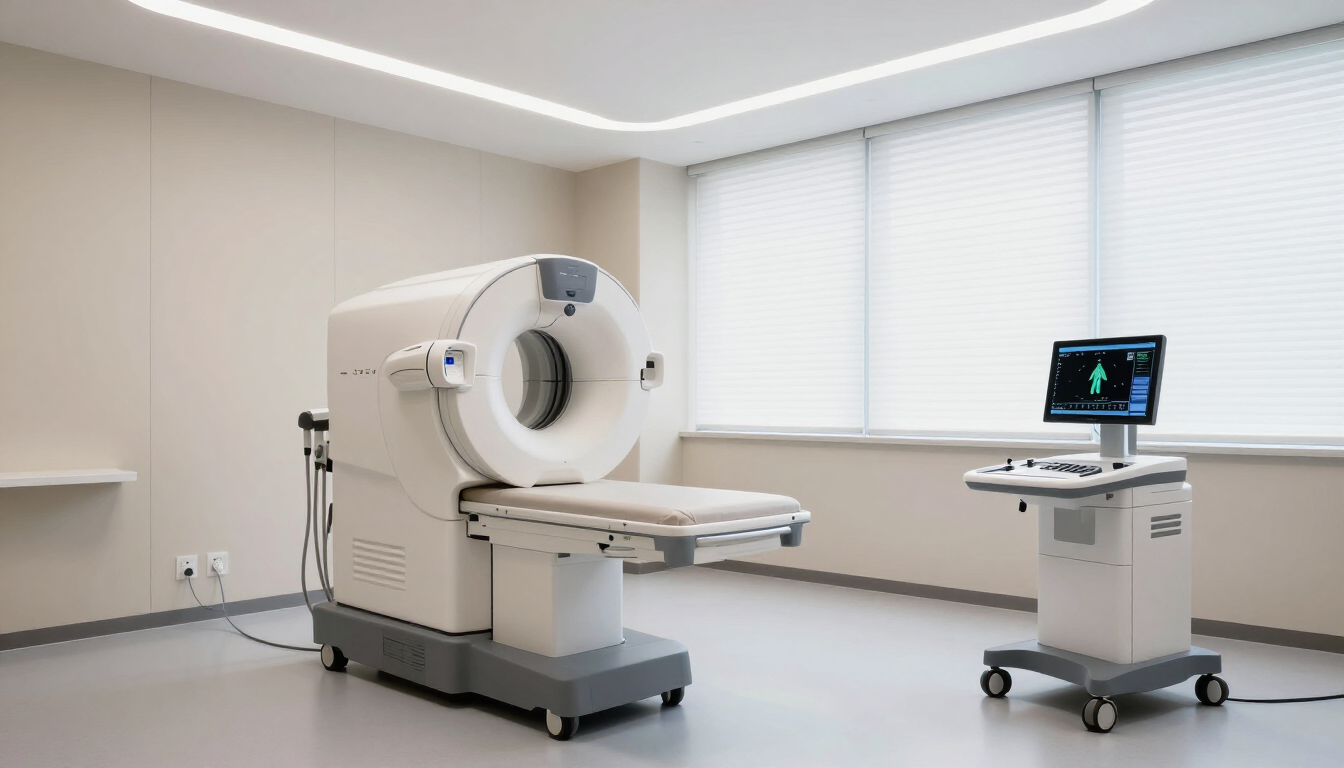
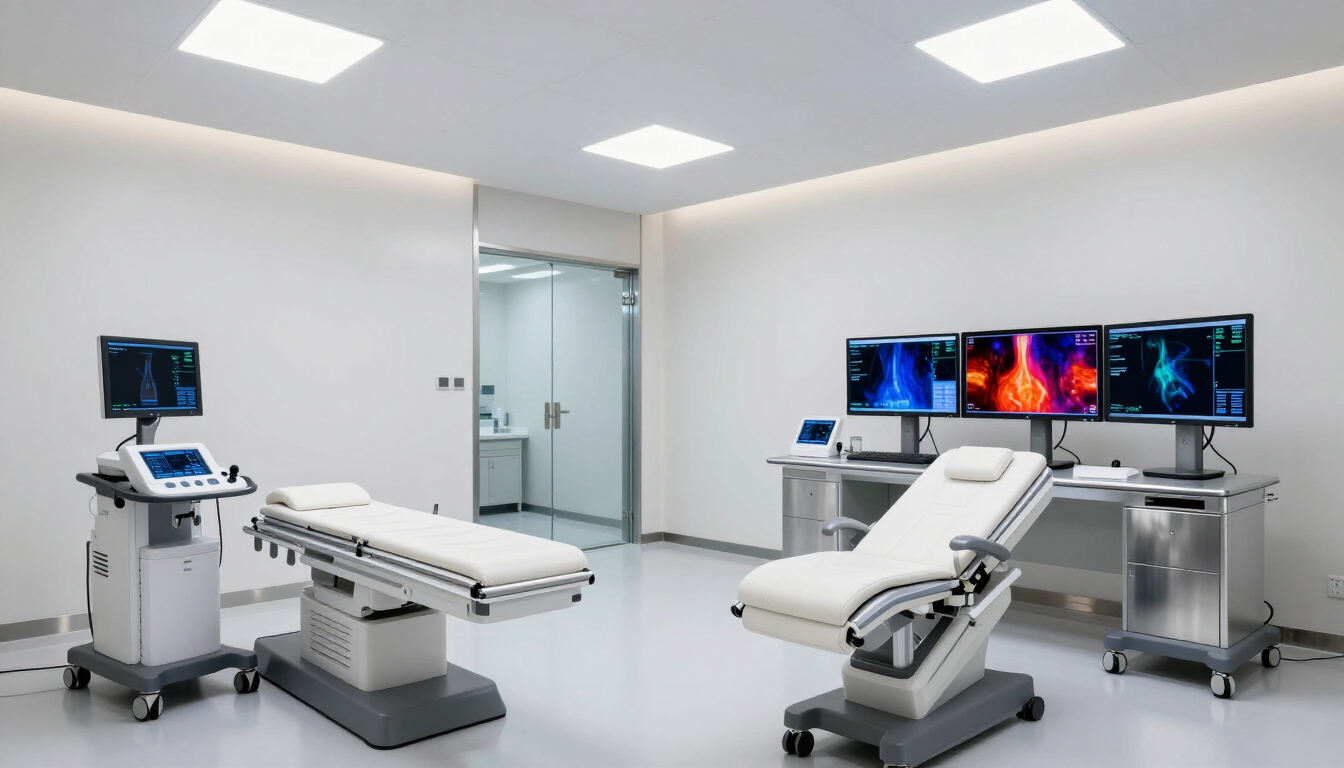
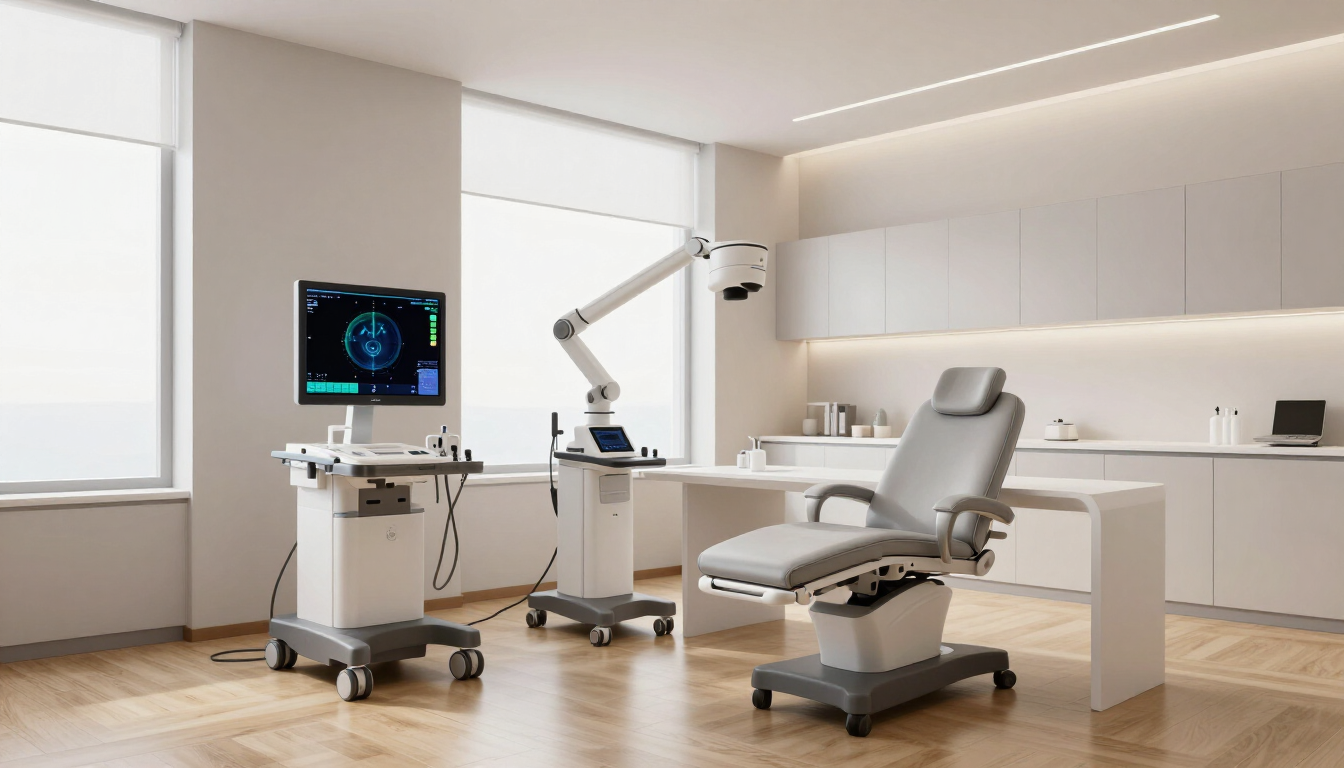
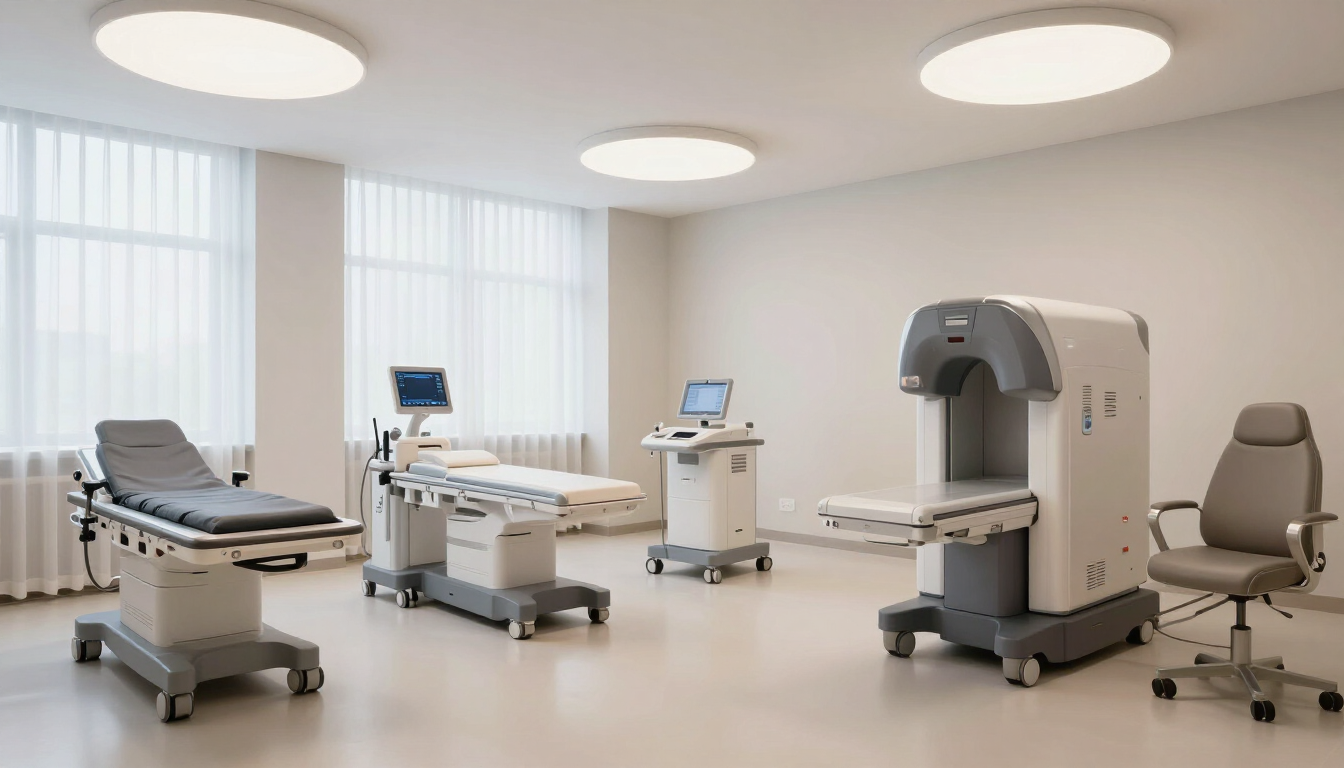
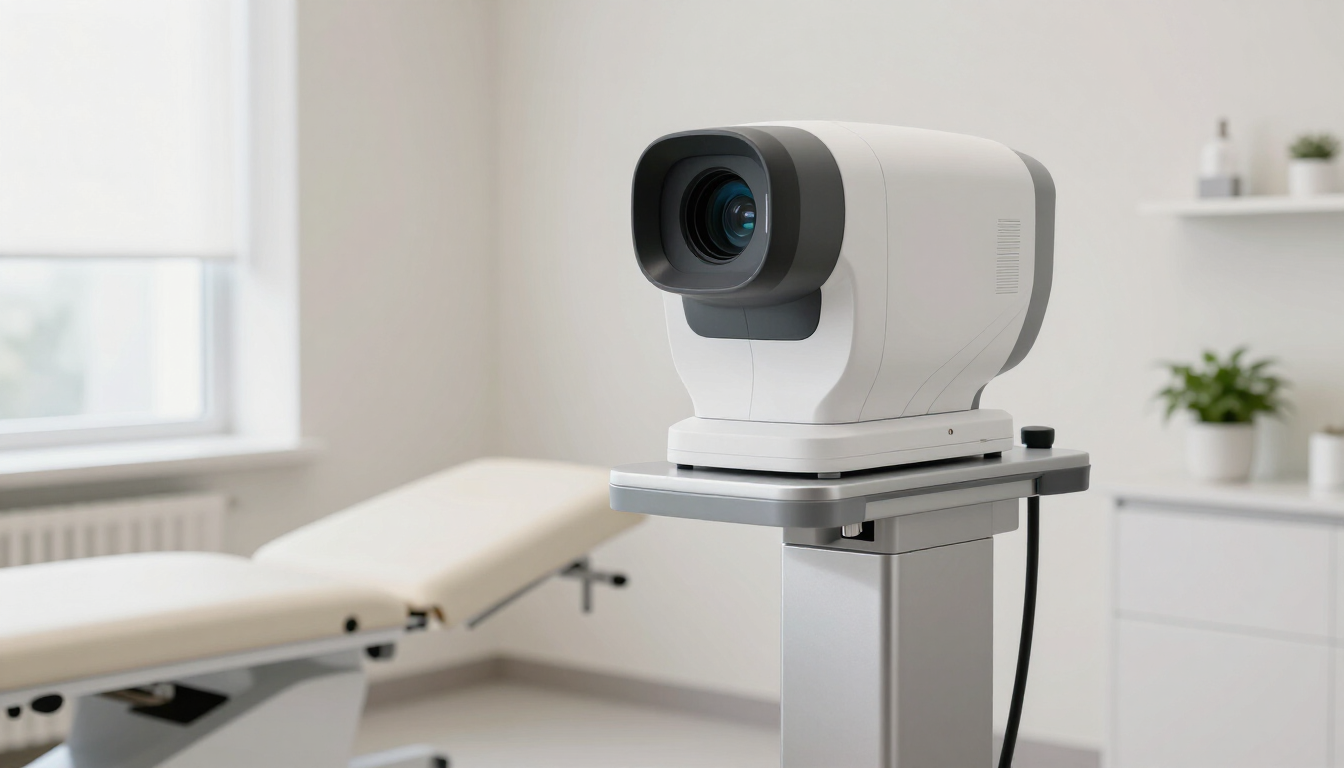
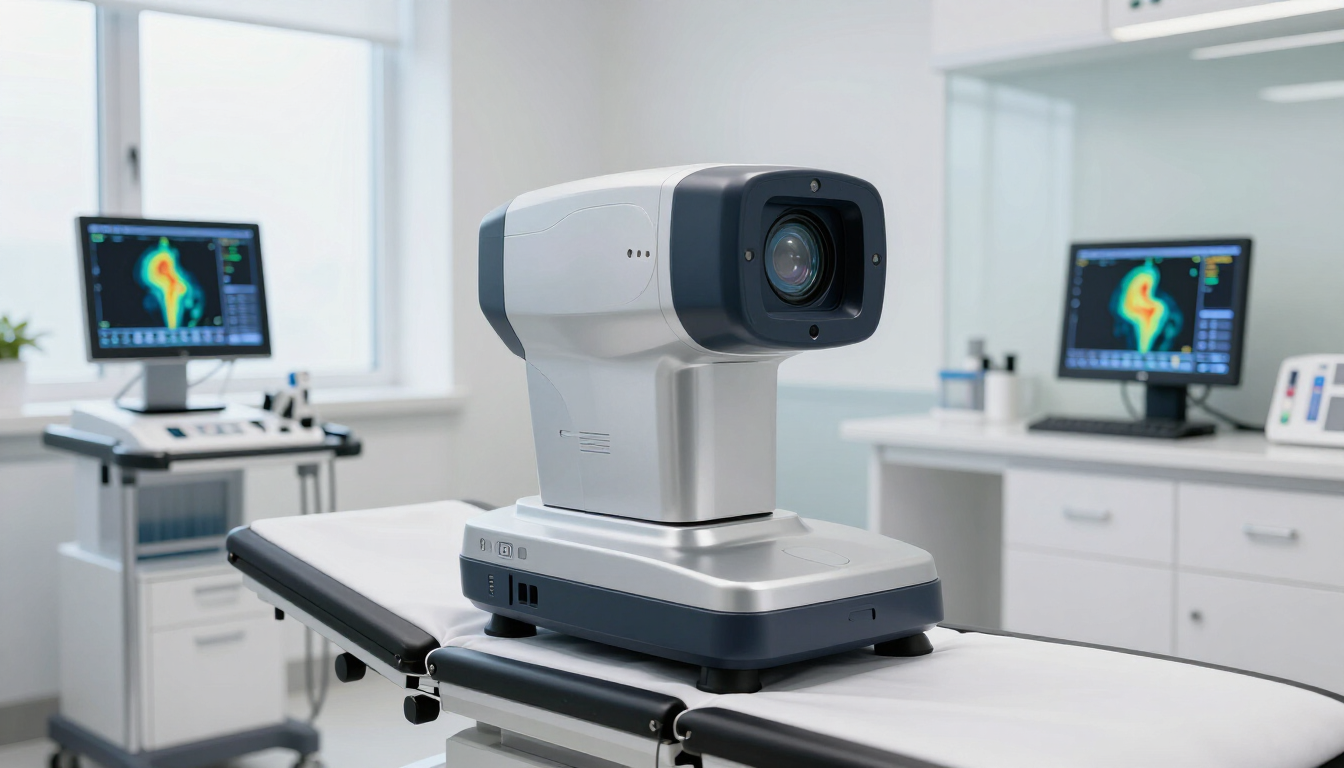
The quality of a thermography study relies heavily on the precision of the equipment used. At CT Thermography, we utilize high-resolution medical-grade infrared cameras that are specifically designed for human physiological imaging. These cameras are calibrated to detect minute temperature differences on the skin's surface, often as small as a fraction of a degree. This sensitivity is what allows for the creation of a detailed thermal map.
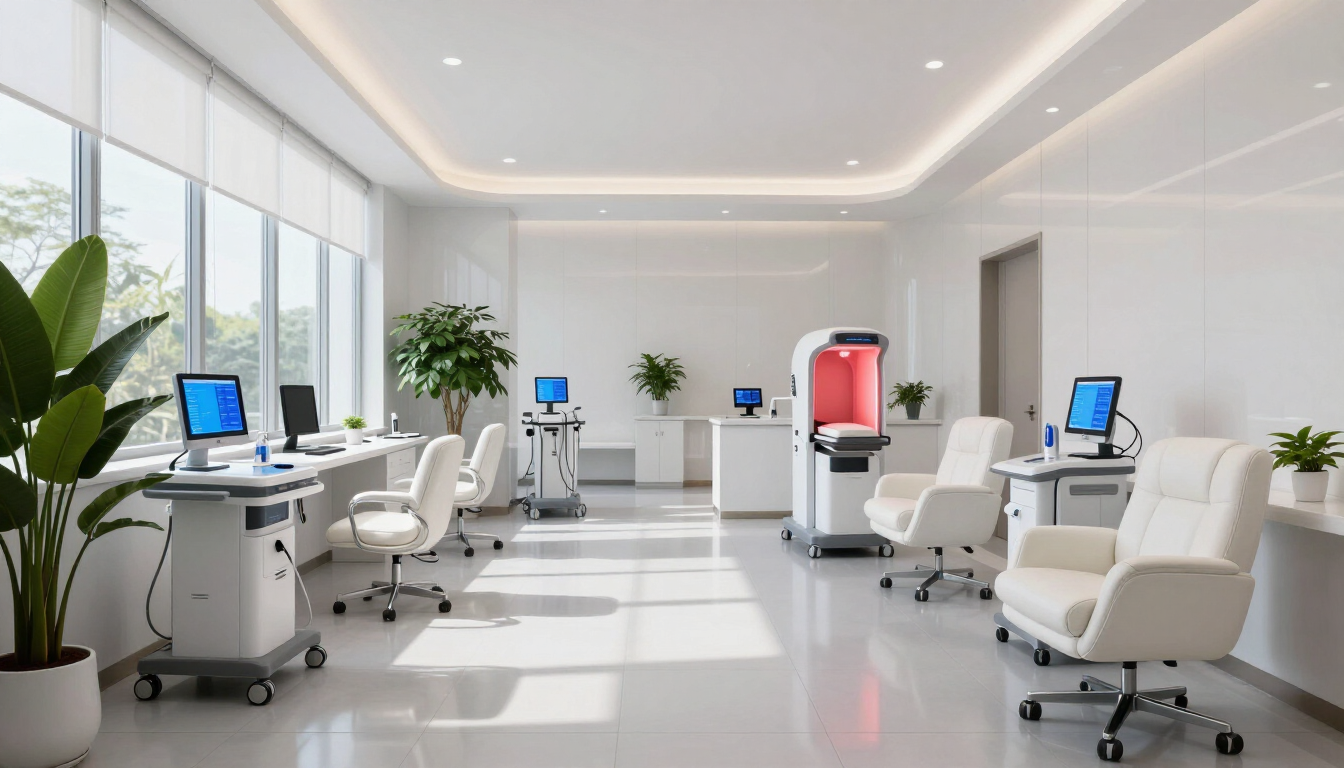
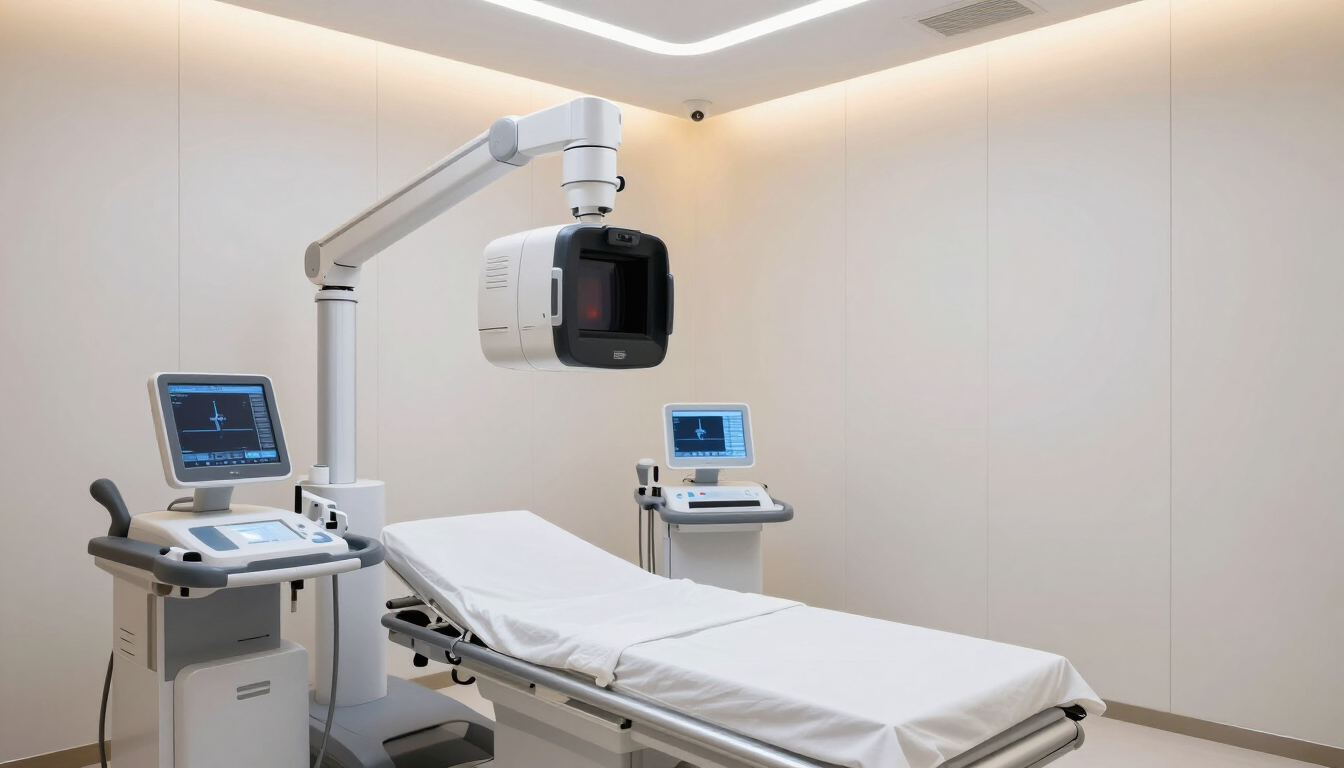
The environment is also carefully controlled; the imaging room is kept at a specific temperature to ensure that your body's heat emissions are not influenced by outside factors. This professional setup, combined with the expertise of a certified thermographer, ensures that the data captured is reliable and consistent. This consistency is vital for comparing images over time, allowing for accurate monitoring of your physiological trends as you work with your healthcare provider.
Summary of Key Takeaways
- Targeted Options : Breast and Head & Neck scans provide focused data on specific anatomical regions.
- Systemic Views : Upper Body and Full Body scans offer a broader look at the body's physiological thermal patterns.
- Collaborative Choice : Always consult with your healthcare provider to determine which scan best supports your wellness goals.
- Baseline Importance : Establishing a thermal baseline is a proactive step in long-term health monitoring.
- Professional Standards : Clinical-grade equipment and controlled environments are essential for reliable thermal imaging.
Disclaimer: Thermography is an adjunctive imaging procedure and is not intended to be used as a standalone diagnostic tool. It does not diagnose disease, and all screenings should be reviewed by a qualified healthcare professional as part of a comprehensive health assessment.