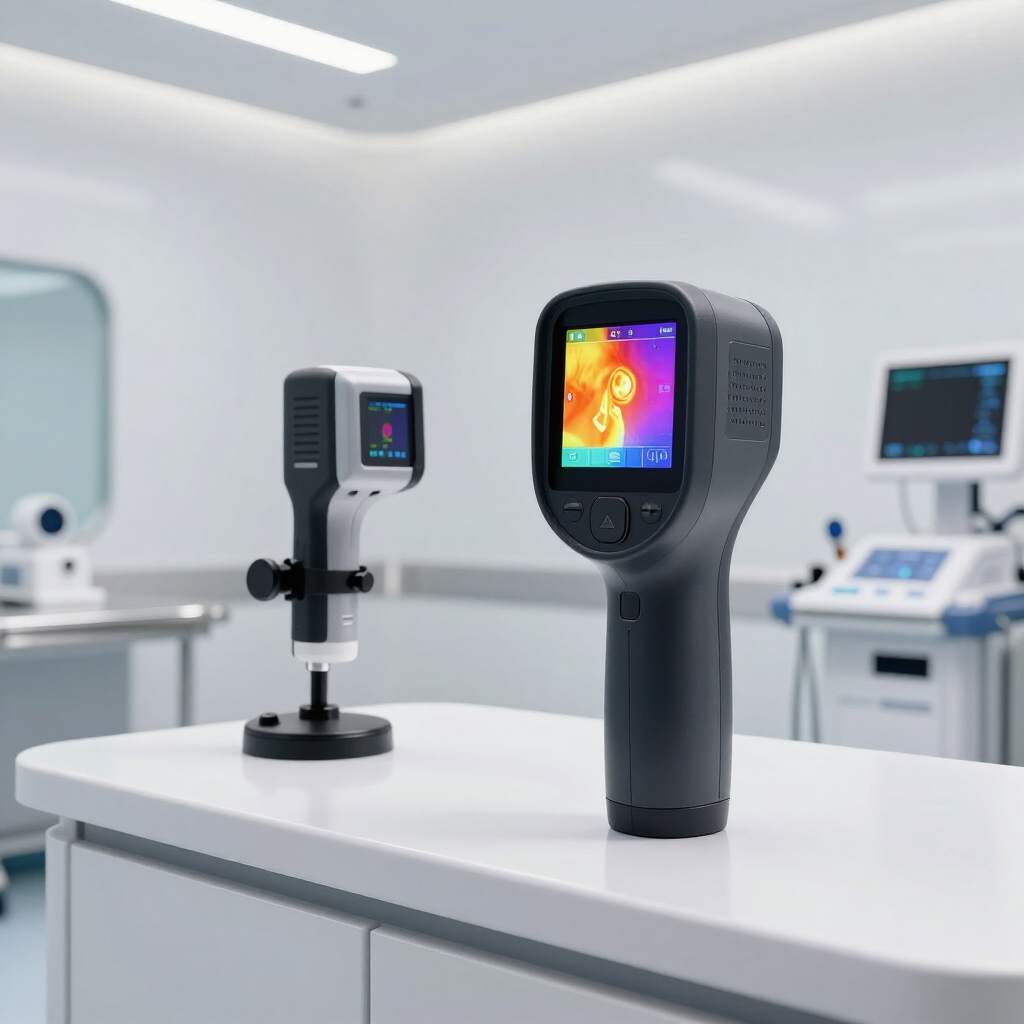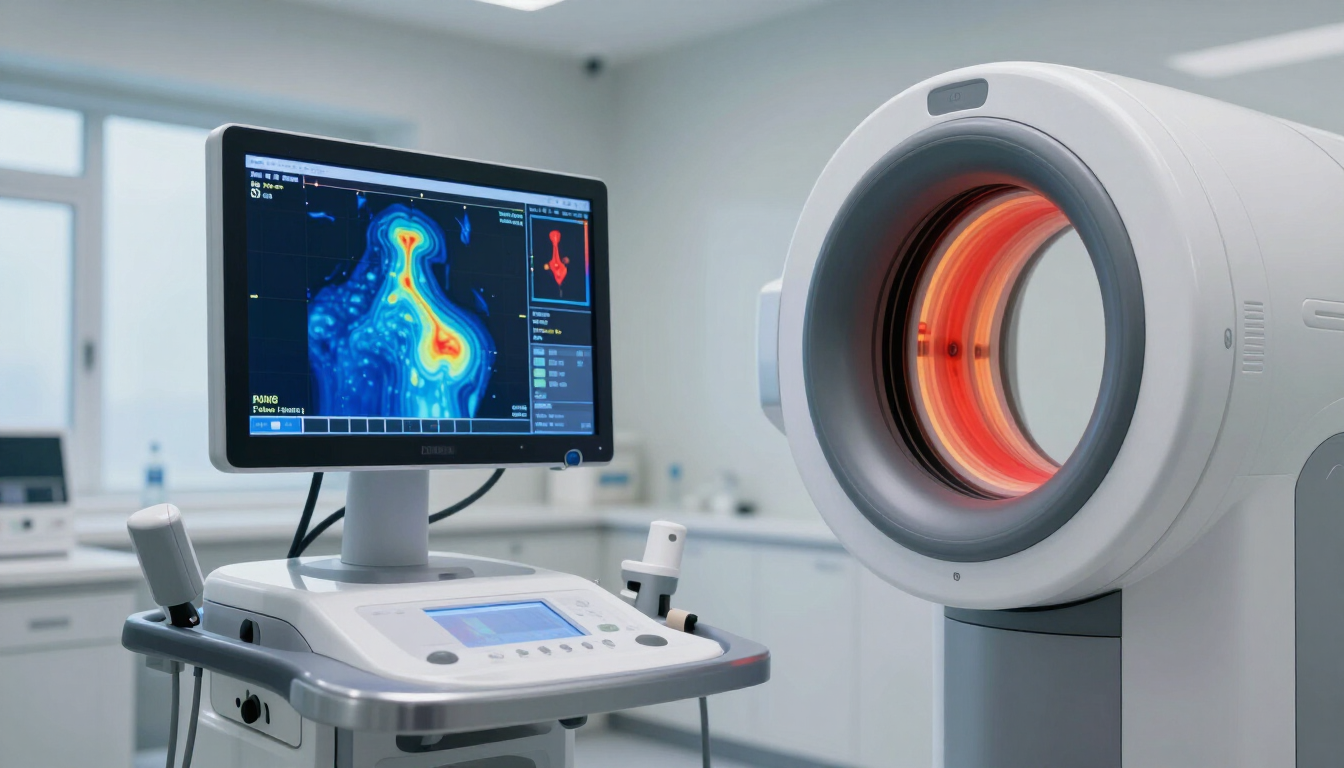

Comparison Imaging: Why Your Baseline Scan Matters

June 8, 2026

Share this article

Medical thermography comparison imaging confirms if your unique thermal patterns are stable over time. By comparing a baseline scan to a follow-up three to six months later, physicians identify subtle changes or consistency in physiological activity, providing a personalized health baseline for proactive wellness and long-term monitoring.

What is a thermography baseline scan?

When you visit us for your first session at CT Thermography, we are essentially taking a "thermal fingerprint" of your body. This initial study is known as your baseline scan. Every individual has a unique vascular and metabolic pattern that emits infrared heat. Unlike common myths that suggest everyone should look exactly the same on a thermal map, the reality is that your heat distribution is as individual as your DNA.

Establishing this baseline is the most critical step in the process of digital infrared thermal imaging (DITI). Without a baseline, a single scan is merely a snapshot in time. While that snapshot can show areas of current inflammation or vascular activity, it doesn't tell the whole story of your physiological trends. The baseline serves as the starting point, the "normal" for your specific body, against which all future scans will be measured. This is why we place such high importance on the The Process and ensuring your first appointment is conducted under optimal conditions.

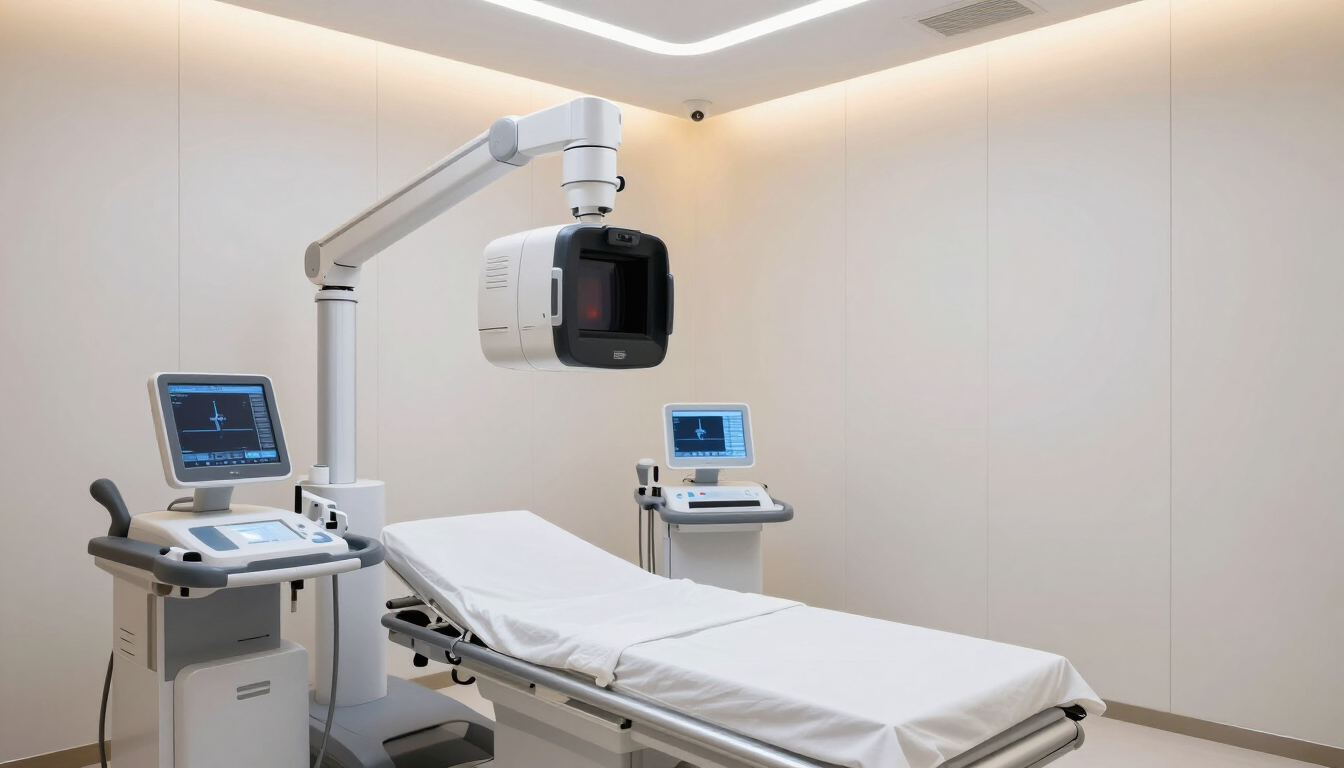
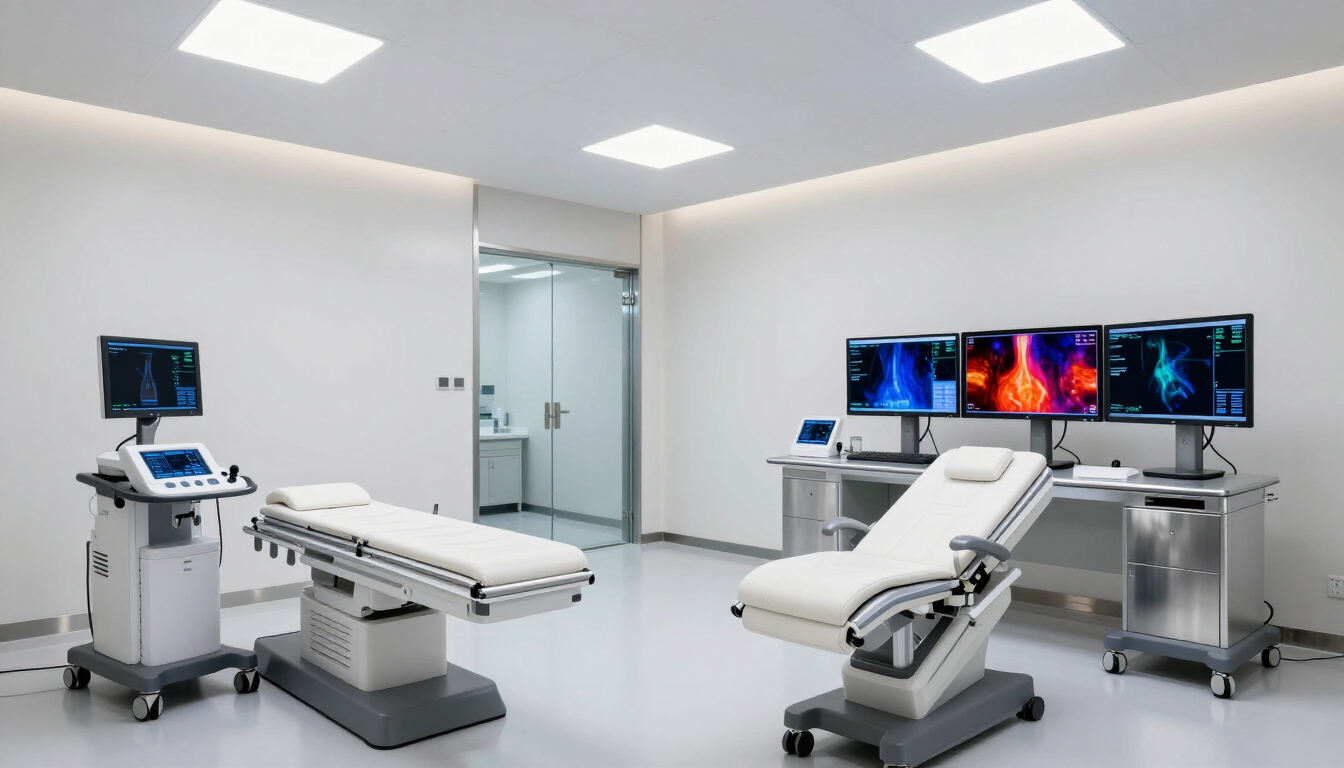
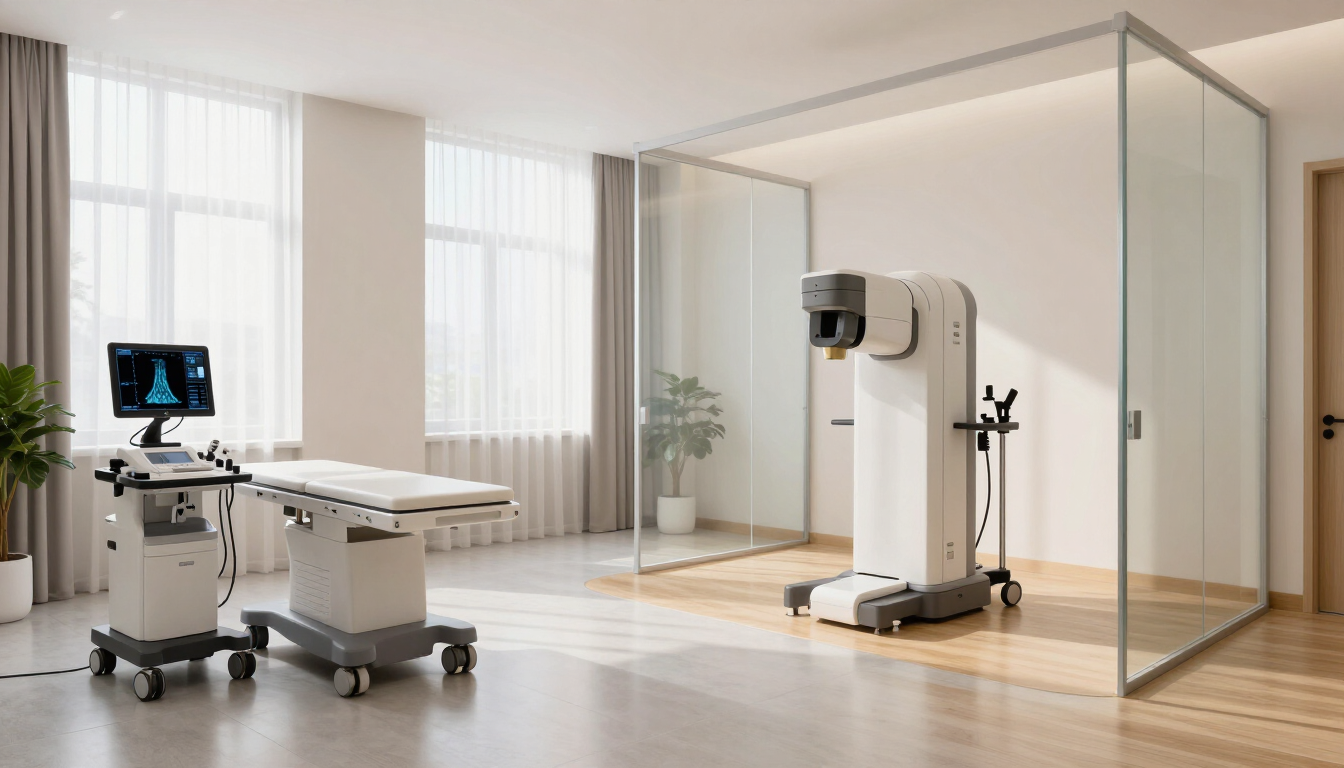
In our imaging space, we maintain strict environmental controls to ensure the accuracy of this baseline. The room temperature and humidity are carefully monitored because your skin is a dynamic organ that reacts to its surroundings. By creating a stable environment, we ensure that the heat patterns captured are truly representative of your internal activity rather than external factors. This dedication to precision is what allows our board-certified thermologists to provide such detailed and reliable reports.

Why is the six-month follow-up necessary?

Many clients ask why they need to return so soon after their first appointment. The follow-up scan, typically recommended three to six months after the baseline, is designed to confirm "thermal stability." Physiology is not static; it changes based on stress, diet, hormones, and environmental factors. However, your core vascular patterns should remain relatively consistent over a short period if there are no significant underlying changes.

By comparing the second scan to the first, our medical team can determine if the patterns observed in the baseline are your "normal" state. If the two scans are identical, or nearly so, we have established a stable baseline. Once stability is confirmed, most clients move to an annual screening schedule. This secondary check ensures that we aren't misinterpreting a temporary inflammatory response as a permanent pattern. It is the gold standard for clinical thermography and provides the peace of mind that comes with knowing your baseline is accurate.

Modern thermography clinic imaging room

Understanding your unique thermal signature

Your body’s thermal signature is a complex map of its physiological state. Infrared imaging is unique because it looks at function rather than structure. While other tests might look for physical lumps or masses, thermography looks at the heat generated by metabolic processes and blood flow. This makes it a highly sensitive tool for those interested in proactive wellness and early insight into their health.

When we talk about a "thermal signature," we are referring to the symmetrical distribution of heat across your body. Generally, the human body is thermally symmetrical. Significant deviations from this symmetry—where one side is markedly warmer or cooler than the other—are what the thermologists look for. However, some people are naturally slightly asymmetrical. This is why the comparison is so vital; it helps us determine if your asymmetry is a stable, non-evolving trait of your physiology or something that warrants closer observation. You can learn more about how to interpret these findings in our guide on Understanding Your Report .

How stable patterns assist in wellness monitoring

Stable patterns are the hallmark of a healthy physiological baseline. When your follow-up scans show no significant changes over years of imaging, it provides a powerful data set for your healthcare team. This longitudinal data allows you to see how your body is aging and how your lifestyle choices might be impacting your inflammatory levels.

For many of our clients, seeing the stability of their thermal patterns is incredibly empowering. It shifts the focus from "searching for problems" to "monitoring wellness." This proactive approach is at the heart of what we do. By keeping a digital record of your thermal health, we provide a point of reference that can be invaluable should you ever experience new symptoms or health concerns in the future. Having a stable baseline already on file means that any new scan can be immediately compared to your known "normal," allowing for much faster and more accurate assessments of new activity.

  • Establishes a personal health benchmark
  • Confirms thermal symmetry and stability
  • Provides a digital record for long-term tracking
  • Assists in identifying subtle physiological shifts
  • Empowers proactive lifestyle adjustments

The role of board-certified thermologists

Every scan performed at CT Thermography is sent to a group of board-certified physicians known as thermologists. These experts have undergone extensive training in the science of infrared imaging and medical thermology. Their role is to analyze the raw thermal data, look for patterns, and compare current images with previous ones.

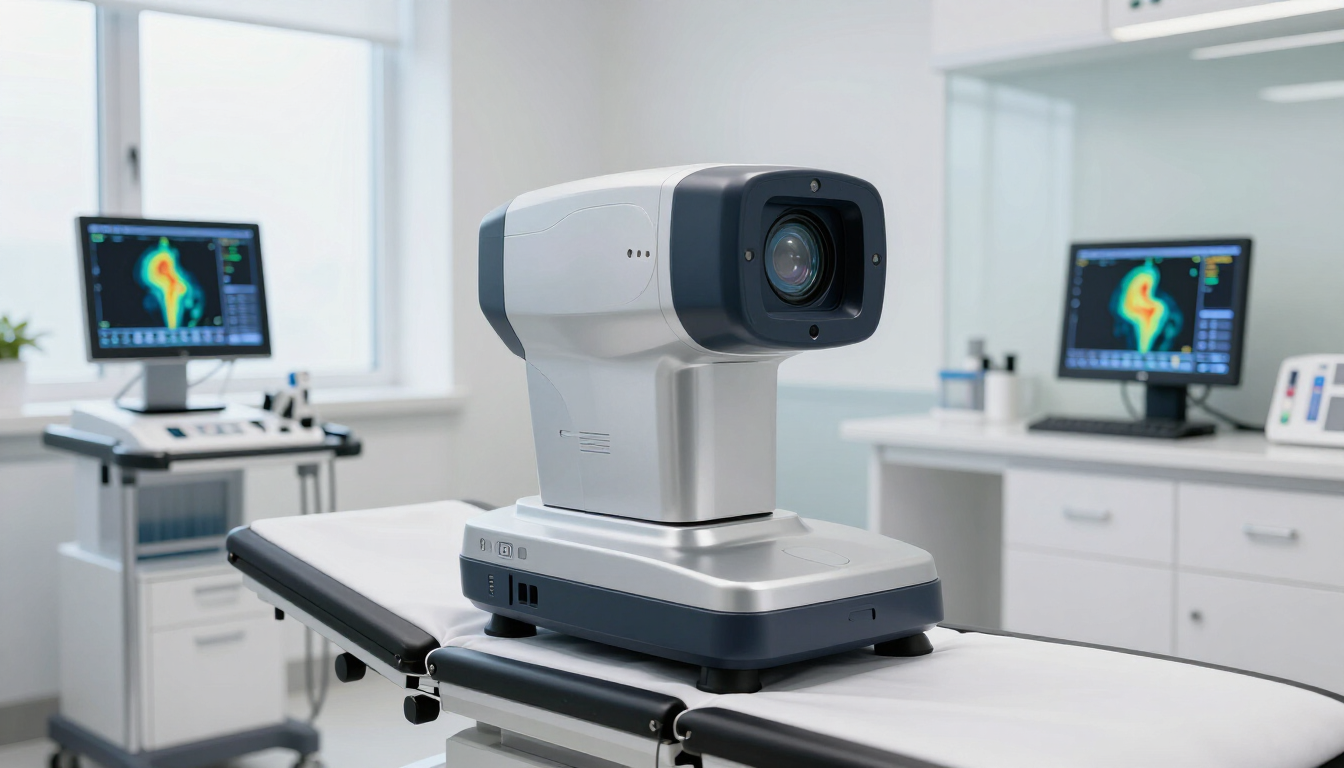
When you return for a comparison scan, the thermologist has your previous images side-by-side with your new ones. They look at the temperature differentials (Delta-T) in specific regions of interest. This professional oversight ensures that your results are not just generated by software, but are interpreted by medical professionals who understand human anatomy and physiology. This expertise is a cornerstone of our commitment to providing About Us quality care to the New England community.

Professional consultation room for medical thermography

What happens during a comparison scan?

If you are a returning client, the process for your comparison scan will feel very familiar. You will follow the same Pre-Screening Protocol that you did for your baseline. This includes avoiding heavy exercise, caffeine, and certain skin products on the day of your appointment. Consistency in your preparation is just as important as consistency in our imaging room environment.

During the session, our certified technician will guide you through a series of images, just as before. Because we already have your baseline on file, the technician ensures that the positioning and angles match your previous session exactly. This anatomical alignment is crucial for an accurate "apples-to-apples" comparison. The session remains non-invasive, radiation-free, and completely comfortable. There is no contact with your body, only the silent capture of the heat naturally radiating from your skin.

Proactive steps for your next appointment

Scheduling your follow-up or annual comparison is a simple but significant step in taking control of your health. Most clients find that the second visit is even more relaxed than the first, as they already know what to expect from the environment and the staff. We recommend booking your comparison scan about four to five months after your baseline to ensure you stay within the optimal window for establishing stability.

To make the process as easy as possible, we offer online scheduling. You can select your preferred location and time directly through our portal. If you have questions about which type of scan you need—whether it's a Breast Thermography follow-up or a Full Body Thermography update—our team is always available to guide you.

  1. Review your previous report to refresh your memory on the findings.
  2. Follow all pre-appointment protocols strictly for the most accurate data.
  3. Wear comfortable, loose-fitting clothing to your session.
  4. Bring any new health history updates to share with the technician.
  5. Book your session at https://www.ctthermography.com/appointments .

Conclusion: The Power of Comparison

In summary, the true value of thermography is found in the comparison of images over time. While a single scan is a useful tool, the baseline and subsequent comparison imaging provide a comprehensive view of your physiological trends. This method allows us to confirm that your thermal patterns are stable, providing a reliable "normal" for your unique body. By committing to this process, you are investing in a proactive, non-invasive way to monitor your health and gain valuable insights into your wellness journey. We look forward to seeing you back in our clinic and helping you maintain your long-term health records.

Summary Takeaways

  • The baseline scan creates your unique "thermal fingerprint."
  • A follow-up scan at 3-6 months confirms that your patterns are stable.
  • Consistent imaging environments ensure accurate data comparison.
  • Professional interpretation by physicians provides reliable wellness insights.
  • Regular monitoring empowers proactive health management and peace of mind.

ADJUNCTIVE IMAGING DISCLAIMER: Thermography is an adjunctive imaging procedure and is not intended to replace any other medical diagnostic or screening test. It should be used in conjunction with other clinical findings and tests for the most comprehensive health assessment.

Recent Posts

A private medical imaging room for thermography in Westport, CT.
August 6, 2026
A comprehensive guide on what to expect during your thermography appointment in Westport, CT. Learn about our private, temperature-controlled imaging process.
Modern thermography clinic suite in Connecticut
July 27, 2026
Discover how adjunctive thermal imaging enhances integrative care. Learn about PACT-certified screenings and physician-led reporting for Connecticut practitioners.
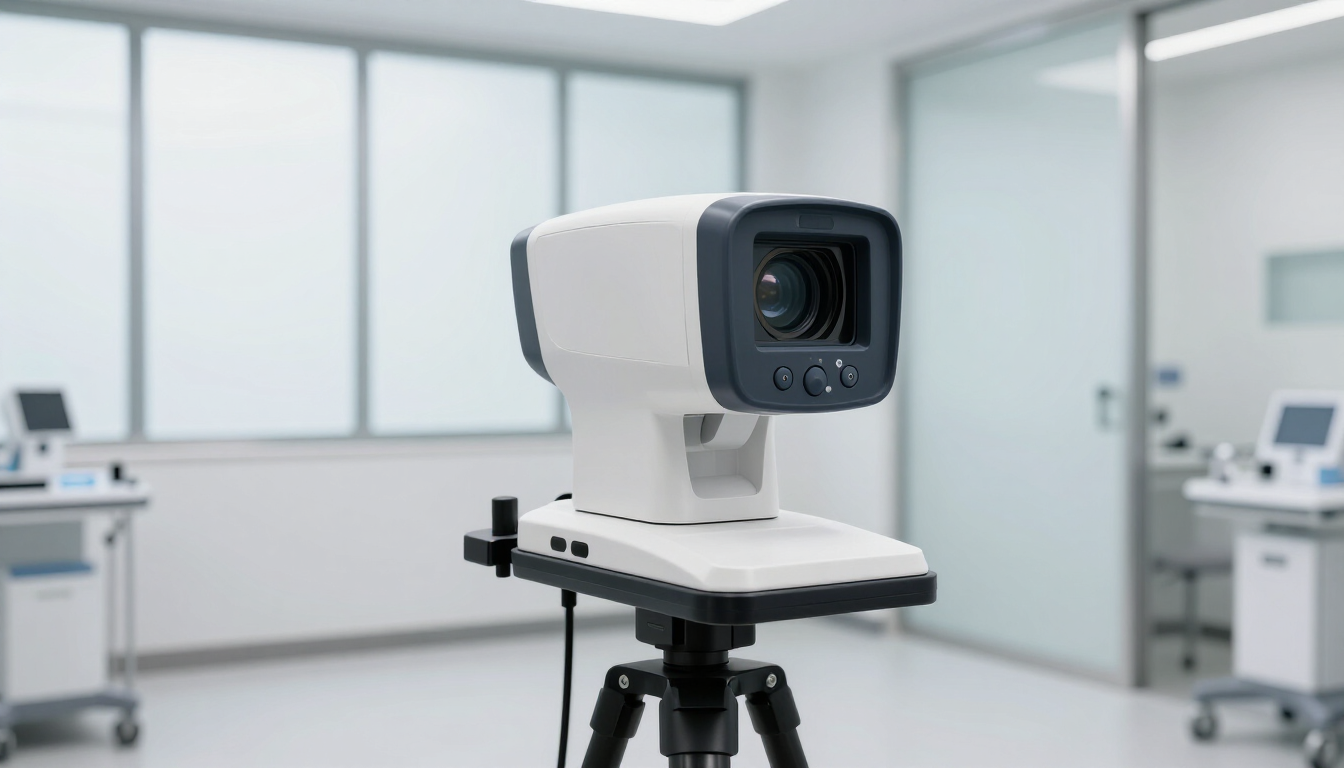
Professional thermography imaging equipment on a tripod in a clinic.
July 20, 2026
Explore the different thermography imaging options including breast, head and neck, upper body, and full body screenings to determine which best fits your wellness goals.
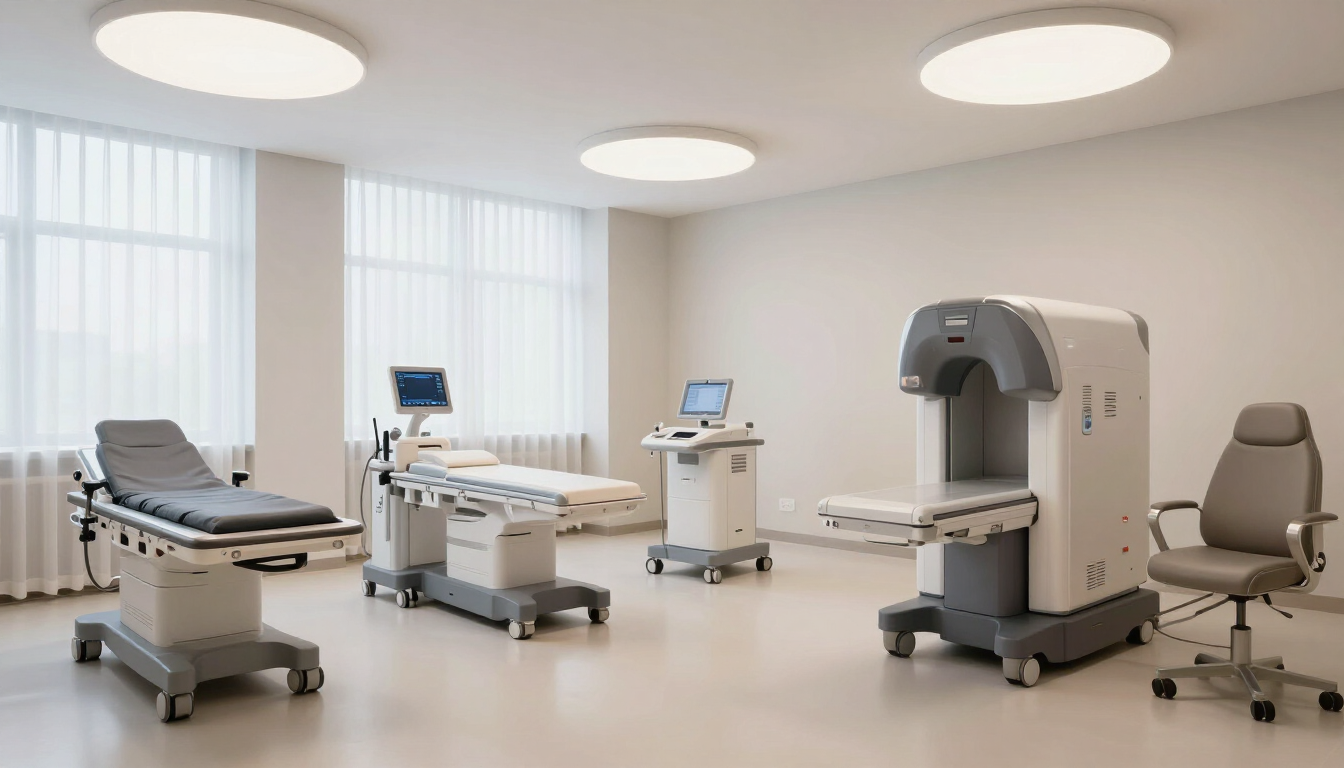
A clean and professional thermography imaging room at CT Thermography.
July 13, 2026
A comprehensive guide to full body thermography for men. Learn about the non-invasive imaging scope—from head to testicular health—and the appointment flow at CT Thermography.

A patient reviewing their thermography report on a laptop computer.
July 6, 2026
Learn what to expect in your thermography report, from clinical impressions to secure portal delivery. This guide helps you prepare for discussions with your provider.
Professional medical thermography imaging setup with infrared camera and monitors.
June 22, 2026
Learn how CT Thermography uses a three-level interpretation process by board-certified thermologists and FDA 510(k)-cleared equipment for quality results.
A private, professional thermography screening room at CT Thermography.
May 4, 2026
Curious about your first breast thermography appointment? Learn about the private, contact-free process, imaging angles, and how you receive your wellness report.
A calm person preparing for a wellness screening with a glass of water.
April 6, 2026
Follow this professional thermography preparation checklist to ensure accurate imaging results. Learn why skin temperature and hydration matter for your screening protocol.
A clean and professional thermography imaging room setup.
March 9, 2026
Learn exactly what happens during your first thermography appointment. Walk through the intake process, room acclimation, and contact-free imaging for a stress-free experience.
Breast Thermography as a Non-Invasive Option for Monitoring Breast Health
By CT Thermography July 1, 2025
Discover how breast thermography offers a safe, non-invasive way for women to monitor their breast health and detect potential issues early.
Show More