
Understanding Your Thermography Report: A Complete Guide
A thermography report is a comprehensive document detailing infrared heat patterns captured during your screening. It includes high-resolution thermal images, clinical impressions from board-certified physicians, and specific recommendations for follow-up or monitoring, providing a physiological map of your body’s thermal activity to support proactive health and wellness management.
When will my thermography report be ready?
After you complete your screening session at CT Thermography, the process of generating your results begins immediately. The journey of your thermal data involves several precise steps to ensure accuracy and professionalism. First, the raw infrared data captured during your appointment is uploaded to a secure server. This data is then assigned to a board-certified interpreting physician who specializes in clinical thermography. These experts review the thermal patterns, looking for symmetries, vascular signatures, and temperature gradients that are unique to your physiology.
Typically, the standard timeline for the completion of this professional review is between 3 to 5 business days. This window allows the interpreting physician sufficient time to carefully analyze each image and correlate findings with your personal health history provided during the intake process . We understand that waiting for health information can be a time of anticipation, which is why we prioritize both thoroughness and efficiency in our delivery model. By the time the report reaches your hands, it has undergone a rigorous review to ensure it meets the highest standards of clinical thermographic imaging.
Accessing your results via the secure patient portal
Privacy and security are paramount when it comes to your personal health information. Once the interpreting physician has finalized their review, your results are uploaded to a secure patient portal. This digital platform ensures that your data remains confidential and is accessible only to you and authorized personnel. You will receive an automated email notification as soon as your report is ready for viewing. This email will contain instructions on how to log in and download your document safely.
Using a digital portal allows you to maintain a permanent record of your thermal history. This is particularly beneficial for future comparisons, as the most valuable aspect of thermography is often the ability to monitor changes over time. Within the portal, you can easily share your report with other members of your healthcare team by downloading a PDF version or providing them with access credentials. This seamless integration of technology ensures that your proactive wellness data is always at your fingertips, whether you are at home or in a consultation with a specialist.
What information is included in a thermography report?
A comprehensive thermography report is divided into several distinct sections, each designed to provide clarity on your physiological status. Understanding these components is the first step in using this information effectively for your wellness journey. The report is not just a collection of pictures; it is a structured analysis of how your body is functioning at a metabolic and vascular level. Many clients find that having a structured thermography report guide helps them navigate the technical language used by interpreting physicians.
Understanding the visual data in thermographic images
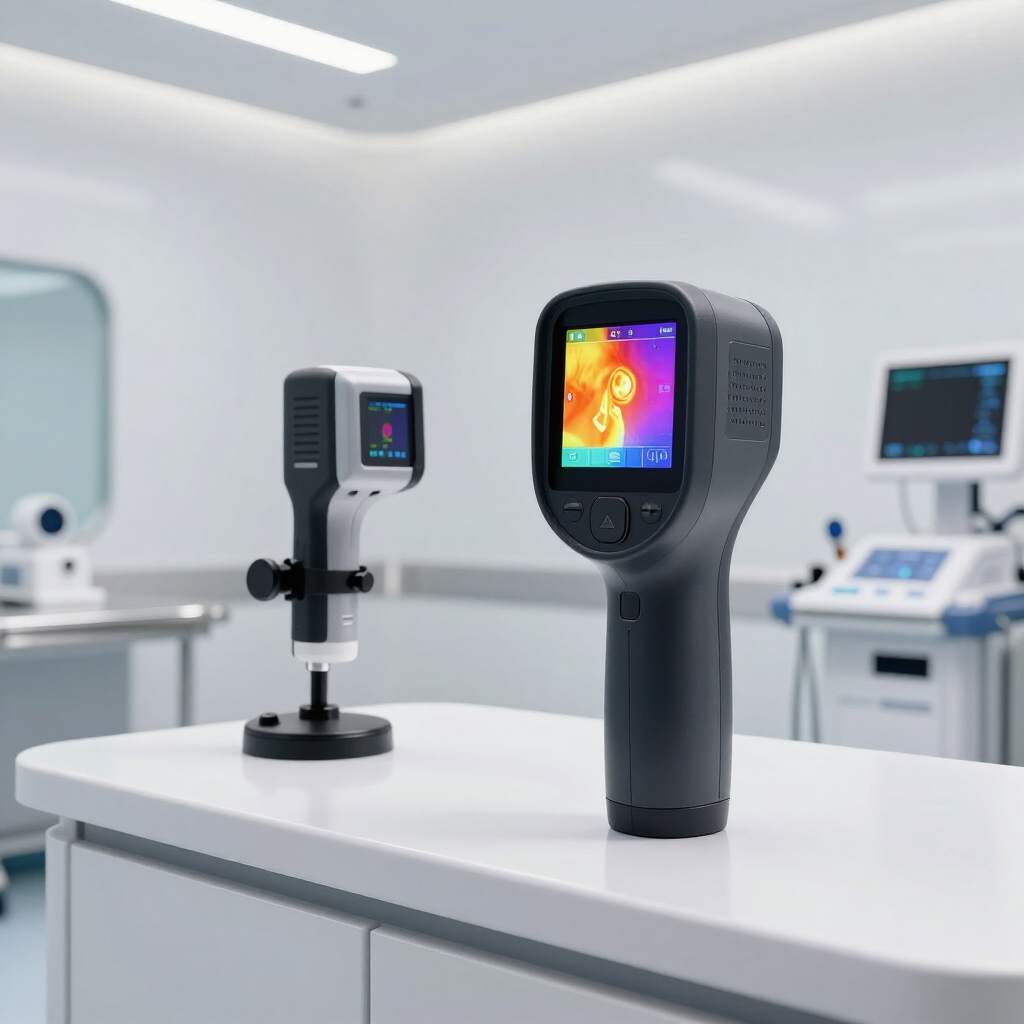
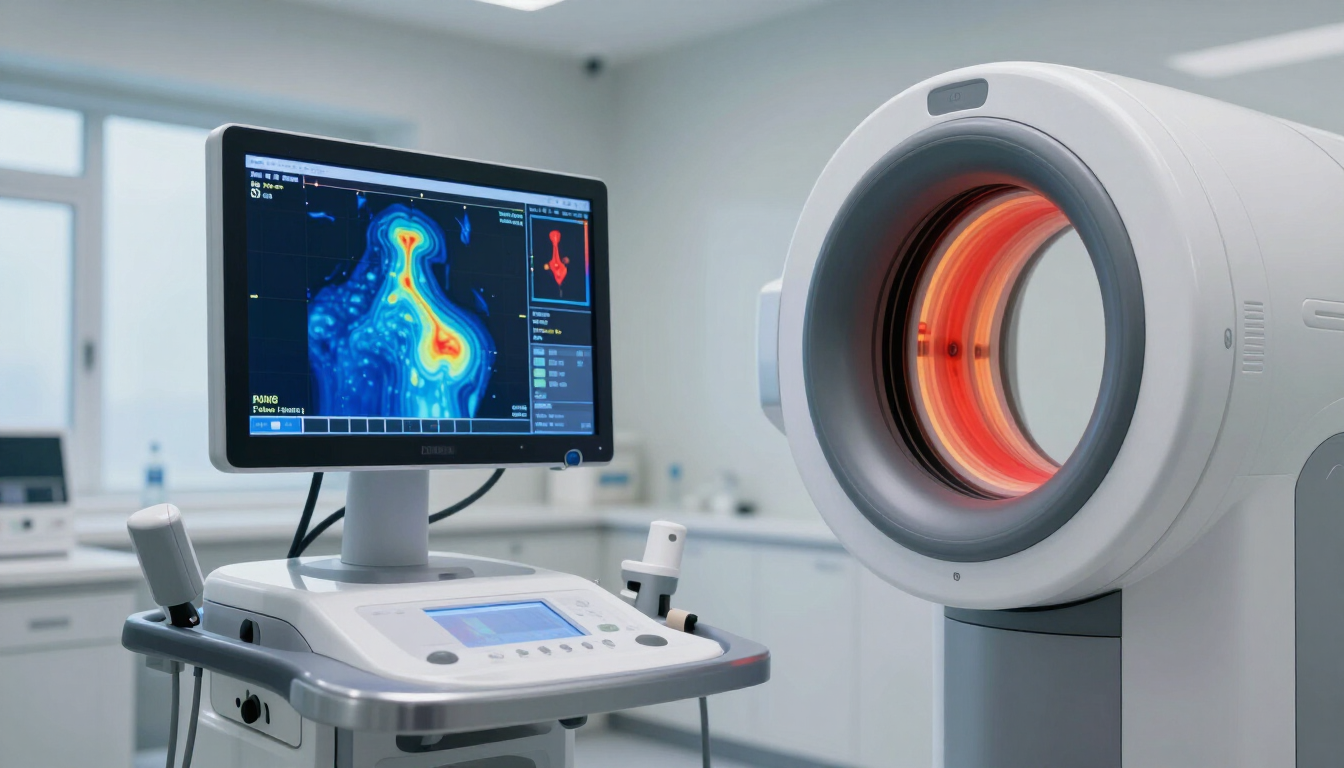
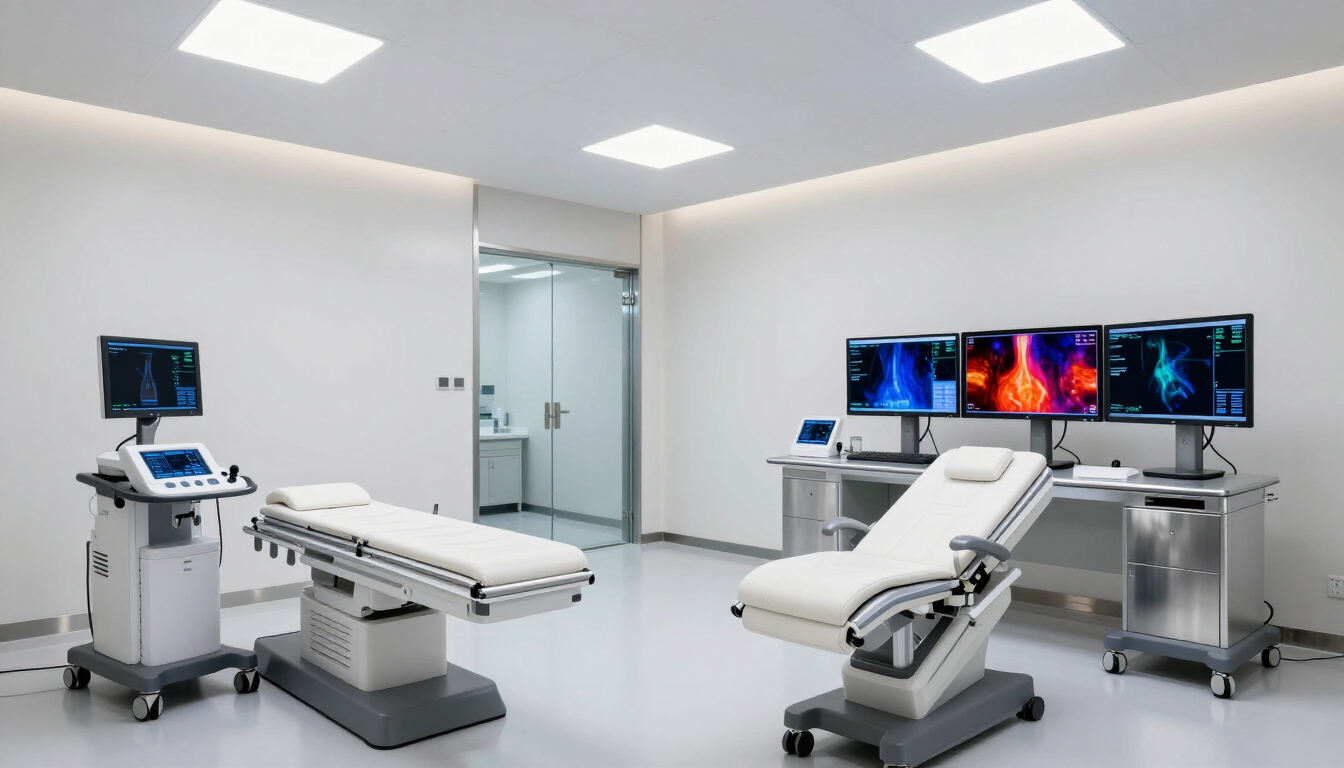
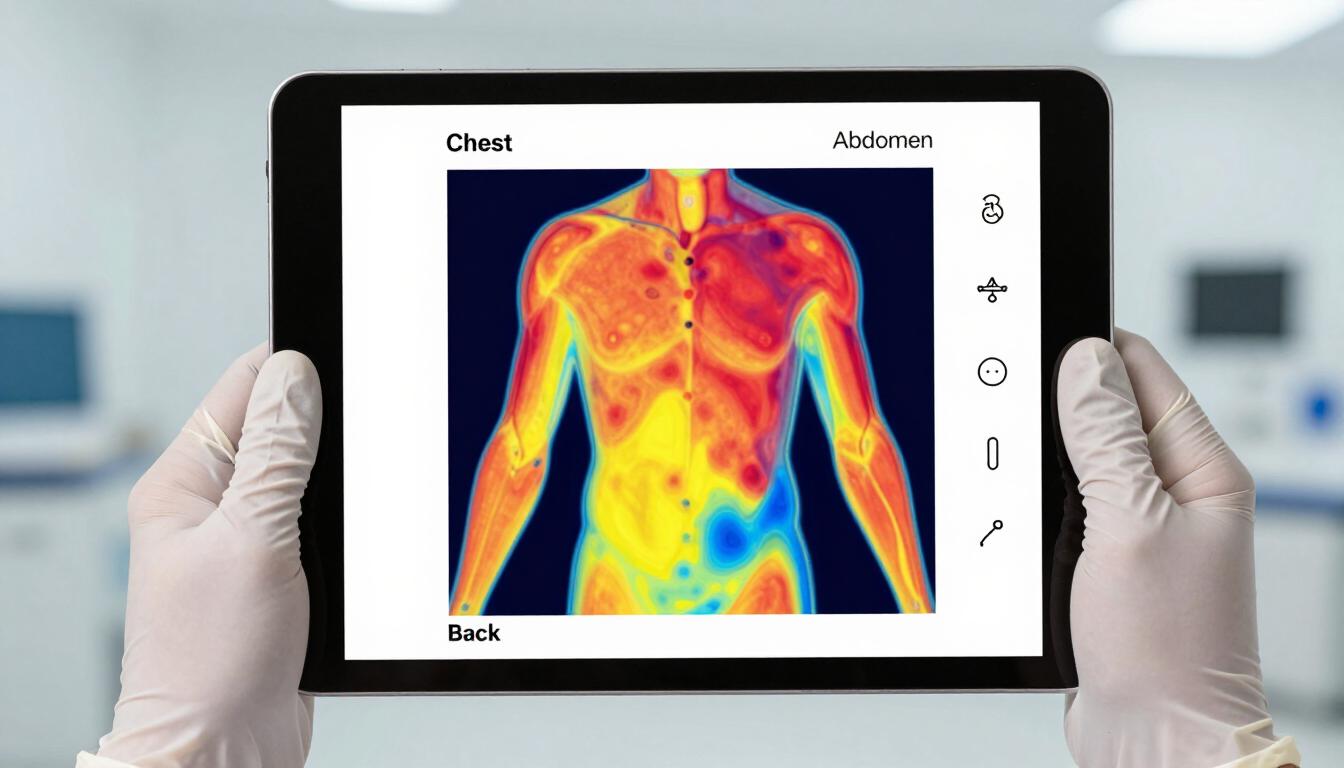
The most striking part of the report is the collection of thermographic images. These visuals are presented in various palettes, often including grayscale and high-contrast color maps. It is important to remember that these colors represent temperature variations and infrared radiation emitted from the skin’s surface, not specific anatomical structures. In a typical color scale:
- Red and white areas represent warmer temperatures.
- Blue and black areas represent cooler temperatures.
- Green and yellow indicate transitional thermal zones.
- Symmetry between the left and right sides is a primary focus.
- Vascular patterns are mapped to identify areas of increased activity.
By viewing these images, you can see a direct representation of your body’s thermal landscape. The interpreting physician uses these visuals to identify areas where the temperature may be significantly higher or lower than expected, which can indicate underlying physiological processes like inflammation or changes in blood flow.
What do the clinical impressions and recommendations mean?
Following the visual data, the report provides a section titled "Clinical Impressions." This is a narrative summary written by the interpreting physician. In this section, the doctor translates the visual patterns into clinical language, noting any areas of interest or physiological markers that warrant attention. They look for specific thermal signatures that might suggest autonomic nervous system activity or localized inflammation. This section is designed to give you a clear overview of the current thermal state of the regions screened.
Directly after the impressions, you will find a section for recommendations. These are actionable steps suggested by the physician to help you manage your findings. Recommendations often include:
- Suggested timeframes for follow-up baseline imaging.
- Requests for clinical correlation with other imaging modalities.
- Advice on monitoring specific areas for changes in thermal activity.
- Suggestions for lifestyle modifications to support thermal balance.
- Direction to consult with a primary care provider for further evaluation.
These recommendations are a crucial part of the understanding your report process. They provide a roadmap for how to integrate these findings into your broader health strategy. Whether the recommendation is for a follow-up in three months or one year, adhering to these timelines is essential for establishing a reliable physiological baseline.
How should I discuss results with my healthcare provider?
Once you have reviewed your report, the next step is to bring this information to your healthcare provider. Because thermography provides functional information rather than structural data, it offers a unique perspective that can complement traditional assessments. Discussing your thermal imaging results with a doctor or specialist allows for a more comprehensive view of your health. It is helpful to approach this conversation as a collaborative effort to optimize your wellness.
Your provider may not be intimately familiar with the nuances of infrared imaging, so providing them with the full report—including the images and the interpreting physician's notes—is vital. This allows them to see the exact patterns and data points that led to the clinical impressions. When you share these results, you are providing your medical team with additional data points that may help them better understand symptoms or markers they are already monitoring through other means. You can learn more about how this fits into your overall care on our About Us page.
Five essential questions for your medical team
To make the most of your consultation, it is helpful to have a list of specific questions prepared. These questions are designed to bridge the gap between your thermal findings and your clinical history. By asking targeted questions, you ensure that the insights gained from your screening are used to their full potential in your personalized care plan. Consider bringing these questions to your next appointment:
- How do these thermal patterns correlate with my current clinical symptoms?
- Given these findings, are there specific physiological areas we should monitor closely?
- What lifestyle or nutritional changes might help improve the thermal balance shown here?
- Are there other functional tests that would complement the information in this report?
- How do these results change our strategy for my long-term wellness and prevention?
Interpreting physician observations and your health journey
The interpreting physician serves as a bridge between the technology and your clinical care. Their observations are based on years of experience in identifying the subtle shifts in heat that the human eye cannot see. By documenting these shifts, they provide you with an "early warning" system for physiological activity. This is why many clients choose full body thermography to get a complete picture of their systemic health. Each report is a snapshot in time that, when compared with future scans, builds a story of your body's health trends.
Navigating the medical system with your report can be empowering. Instead of waiting for structural changes to occur, you are looking at the body's functional signals in real-time. This proactive stance is at the heart of what we do at CT Thermography. We encourage all clients to maintain an open dialogue with their providers and to use our FAQs as a resource if they have questions about the technology itself or the reporting process. Your journey toward better health is supported by data, and your thermography report is one of the most detailed tools you have in that pursuit.
Next steps for your proactive wellness journey
Receiving your thermography report is a significant milestone in taking control of your health. It provides a unique, non-invasive look at the internal workings of your body through the lens of infrared heat. By understanding the timeline for delivery, how to navigate the secure portal, and the specific components of the report, you can move forward with confidence. Remember that this information is most powerful when shared with your healthcare team and used to guide informed decisions about your lifestyle and future screenings.
- Download and save your report from the portal for long-term tracking.
- Schedule a follow-up appointment with your provider to discuss the findings.
- Set a reminder for your next recommended thermography screening date.
- Use the questions provided above to facilitate a deep-dive conversation with your doctor.
Thermography is intended for use as an adjunctive imaging procedure and is not a stand-alone screening tool. It provides information about the thermal activity of the body but does not replace other forms of medical imaging or clinical examinations. Always consult with a qualified healthcare professional regarding any findings in your report to ensure a comprehensive approach to your health and wellness. If you are ready for your next screening, you can visit our appointments page to secure your time.